
Bodyboarding Safety Tips: Staying Safe While Riding the Waves
The thrill of gliding across the ocean’s surface, propelled by the raw power of a breaking wave, is an experience that draws countless enthusiasts to the water. Bodyboarding, often perceived as a more accessible cousin to surfing, offers an exhilarating connection with the marine environment. However, beneath the exhilarating rush lies a potent force that demands respect and preparedness. While the allure of catching the perfect wave is undeniable, neglecting safety can quickly transform a dream into a dangerous reality. This article delves deep into the crucial bodyboarding safety tips, empowering you to navigate the waves with confidence and minimize risks, ensuring your adventures remain exhilarating and, most importantly, safe.
Understanding the Ocean’s Power: A Foundation for Safety
Before even touching a bodyboard, a fundamental understanding of the ocean’s dynamics is paramount. The sea is a powerful, unpredictable entity, and respecting its forces is the first and most critical safety step. Factors like wave height, currents, and the seabed can dramatically influence the risks involved.
Wave Conditions: Reading the Water Like a Pro
Waves are the lifeblood of bodyboarding, but their size and power can vary dramatically. It’s essential to assess conditions before entering the water and continuously throughout your session.
- Assess Wave Height: Never paddle out into waves that are significantly larger than you are comfortable with or have experience riding. A good rule of thumb is to start with waist-high or chest-high waves and gradually progress. If you’re unsure, observe experienced bodyboarders for a while to gauge the conditions.
- Wave Type: Beach breaks, point breaks, and reef breaks all present different challenges. Beach breaks can have shifting sandbars that create unpredictable wave dynamics, while reef breaks require awareness of submerged rocks and coral.
- Wave Energy: Not all waves of the same height are equal. Swell direction, period (the time between waves), and wind conditions all contribute to the energy and power of a wave. Strong onshore winds can create choppy, less powerful waves, while offshore winds can groom waves for a cleaner ride but can also make paddling back out more challenging.
Currents: The Unseen Danger

Ocean currents can be deceptive and are a significant cause of distress for water users. Understanding and respecting them is non-negotiable.
- Rip Currents: These powerful, narrow channels of water moving away from the shore are perhaps the most significant danger. They can form near sandbars, jetties, or breaks in the surf line.
- How to Identify: Look for a channel of choppy or discolored water, a line of foam or debris moving steadily seaward, or a noticeable break in the incoming wave pattern.
- What to Do If Caught: The most critical advice is NOT TO PANIC. Do not try to swim directly against a rip current; you will exhaust yourself. Instead, swim parallel to the shoreline until you are out of the current, then swim back to shore. If you cannot escape, float on your back and signal for help.
- Longshore Currents: These currents run parallel to the shore and can carry you down the beach, away from your entry point or companions.
- Tidal Currents: The incoming and outgoing tides create currents, particularly around inlets and bays. Be aware of the tidal flow and its potential impact.
Seabed Conditions: Knowing What Lies Beneath
The type of seabed can present its own set of hazards.
- Rocky Reefs and Coral: These submerged obstacles can cause severe cuts and abrasions. Always observe the water for signs of reefs and avoid areas where they are prevalent, especially at lower tides.
- Shifting Sandbars: While seemingly safer, sandbars can create fast-breaking, hollow waves that can be dangerous for beginners. They can also shift rapidly, altering the wave dynamics and creating new hazards.
The right equipment, used correctly, is a vital component of bodyboarding safety. Investing in quality gear and maintaining it properly can prevent mishaps and enhance your experience.
The Bodyboard Itself: Choosing Wisely
Your bodyboard is your primary tool. Selecting the right size and type for your skill level and the conditions is crucial.
- Size Matters: A board that is too small will be unstable and difficult to paddle. A board that is too large can be cumbersome. Generally, the board should come up to your chin or nose when standing it on its tail.
- Board Type: Beginners often benefit from wider, thicker boards, which offer more buoyancy and stability. Advanced riders may opt for narrower, stiffer boards for better performance.
- Leashes: A bodyboard leash is non-negotiable. It connects you to your board, preventing it from being swept away by waves or currents, and ensuring you have a flotation device if you become separated.
- Types of Leashes: Straight leashes are common, while coiled leashes can reduce tangling.
- Proper Attachment: Ensure the leash is securely attached to the tail of your board and to your wrist or ankle. A double-strapped ankle leash provides extra security.
Protective Gear: Your First Line of Defense
Beyond the board, several pieces of protective gear can significantly enhance your safety.
- Wetsuit: While not always strictly for safety, a wetsuit provides thermal protection, allowing you to stay in the water longer and increasing your comfort, which can lead to better decision-making. It also offers some protection against abrasions and the sun.
- Rash Vest: Essential for preventing sunburn and chafing from the board or wax.
- Helmet: Highly recommended, especially for beginners or when riding in crowded lineups or powerful waves. Helmets can protect against impacts with the board, other riders, or the seabed.
- Fins: Bodyboard fins are crucial for propulsion and maneuvering. They allow you to paddle efficiently, catch waves more easily, and maintain control. Ensure they fit snugly and are comfortable.
Gear Maintenance: Keeping It in Top Shape
Regularly inspect your gear for wear and tear.
- Check your leash for any fraying or cracks.
- Ensure your board is in good condition, with no major dings or delamination.
- Rinse your board and fins with fresh water after each session to prevent salt corrosion and sand buildup.
Proficiency in fundamental bodyboarding techniques not only improves your wave-riding experience but also plays a crucial role in staying safe in dynamic ocean conditions.
Paddling Power: Getting Where You Need to Be

Effective paddling is key to catching waves and positioning yourself safely.
- Proper Paddling Stroke: Use a smooth, powerful stroke, keeping your body low on the board. Engage your core and use your arms efficiently.
- Paddling Out: When paddling out, try to go “under” waves rather than over them. This conserves energy and reduces the risk of being pushed back to shore. Angle your board slightly to cut through the breaking part of the wave.
- Positioning: Learn to position yourself in the “impact zone” (where the wave is breaking) to catch waves, but also be aware of where the safest paddling routes are.
Catching Waves Safely
Timing and technique are essential for a controlled wave catch.
- Looking Before You Leap: Always check behind you for other surfers or bodyboarders before initiating a ride.
- Reading the Wave: Understand how the wave is forming and whether it’s a suitable wave to catch. Avoid taking off on waves that are too steep or closing out (breaking all at once).
- Controlled Take-off: A smooth, controlled take-off prevents you from losing balance and potentially falling awkwardly.
Dismounting and Recovering: The Graceful Exit
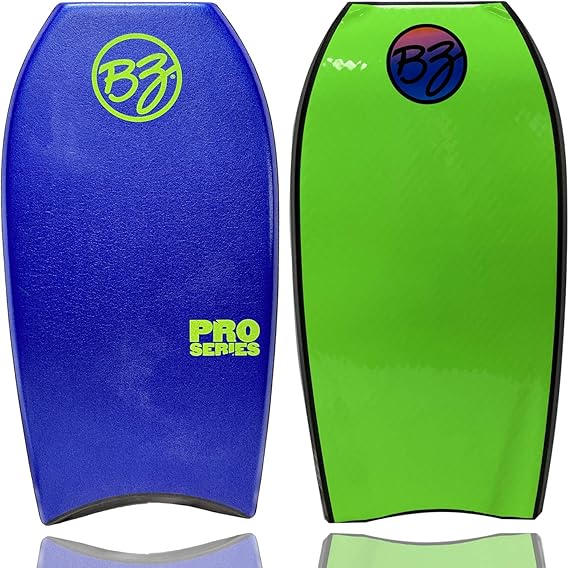
Knowing how to safely dismount your board can prevent injuries.
- Controlled Dismount: When a wave is ending or you need to get off, a controlled dismount by sliding off the side of the board is generally safer than a sudden jump.
- Staying With Your Board: In smaller waves, you can often just slide off the back. In larger waves, try to maintain contact with your board until you are in shallower water.
- Breathing Techniques: Practice controlled breathing to stay calm if you are held underwater.
The ocean is a shared space. Understanding and adhering to surf etiquette is vital for a safe and harmonious experience for everyone.
The Golden Rules of Surf Etiquette
These unwritten rules are designed to prevent collisions and ensure fairness.
- Right of Way: The surfer/bodyboarder closest to the peak of the breaking wave has the right of way. Do not drop in on someone who has already taken off on a wave.
- No Dropping In: This is a cardinal sin in surfing and bodyboarding. It means taking off on a wave that someone else is already riding.
- Paddling Etiquette: When paddling out, give way to surfers/bodyboarders riding waves. Avoid paddling directly in the path of oncoming waves.
- Respect the Locals: Be mindful of established surf communities and their unwritten rules.
- Crowd Management: In crowded lineups, be aware of your surroundings and avoid erratic maneuvers that could endanger others.
Situational Awareness: Your Constant Companion
Being aware of your environment is a continuous process.
- Buddy System: Never bodyboard alone, especially in unfamiliar locations or challenging conditions. Always have a buddy with you who can assist in case of an emergency.
- Know Your Limits: This cannot be stressed enough. Be honest with yourself about your skill level and the conditions you are capable of handling. It’s always better to err on the side of caution.
- Observe and Learn: Pay attention to experienced bodyboarders. Observe their techniques, how they read the waves, and how they handle different situations.
- Weather Conditions: Be aware of changing weather patterns. Storms can bring dangerous swells and lightning, which is a serious hazard.
Emergency Preparedness: Being Ready for the Unexpected

While the goal is to avoid emergencies, being prepared can make a significant difference.
- Learn Basic First Aid: Knowing how to treat minor injuries like cuts and abrasions can be beneficial.
- Carry a Whistle: A whistle can be a lifesaver if you need to signal for help.
- Know When to Call for Help: If you or someone else is in distress, don’t hesitate to signal for help from lifeguards or other beachgoers.
Statistics from surf safety organizations consistently highlight the importance of these measures. For example, studies on surf-related injuries often point to collisions with other water users, impacts with the seabed, and exhaustion due to rip currents as common causes of incidents. By implementing the safety tips outlined in this article, bodyboarders can significantly reduce their risk of experiencing such events.
Bodyboarding offers an incredible avenue for experiencing the ocean’s majesty and the thrill of wave riding. However, this exhilarating pursuit is intrinsically linked to the power and unpredictability of the marine environment. By prioritizing safety through a deep understanding of ocean conditions, the use of appropriate gear, mastery of fundamental techniques, and strict adherence to surf etiquette, bodyboarders can transform potential risks into manageable challenges. Remember, the ocean demands respect. Approaching every session with a preparedness mindset, a keen awareness of your surroundings, and a commitment to continuous learning will not only ensure your safety but also deepen your appreciation for the incredible sport of bodyboarding. Ride with confidence, ride with respect, and most importantly, ride safely.


