
The Ultimate Guide to Regulation Corn Toss Bags: Sizes and Specifications
Corn toss, a beloved backyard game also known as bean bag toss, cornhole, or simply toss, has transcended its humble origins to become a competitive sport enjoyed by millions. From casual backyard barbecues to fiercely contested tournaments, the appeal of tossing bean bags into a hole on a raised board is universal. But for those who venture beyond casual play into the realm of organized competition, understanding the intricacies of regulation corn toss bags becomes paramount. These seemingly simple sacks are, in fact, meticulously defined objects, their dimensions and materials carefully calibrated to ensure fair play and consistent performance. This article serves as your comprehensive guide to the ultimate regulation corn toss bag, delving into the critical sizes, specifications, and the scientific principles that underpin their design.
The Cornerstone of Competition: Why Bag Specifications Matter
In any sport, standardization is key. Imagine a game of basketball where the ball’s size and weight varied wildly from one game to the next. Chaos would ensue, and the integrity of competition would crumble. Corn toss is no different. Regulation bags are the tangible embodiment of fairness. Their consistent weight, size, and material properties ensure that the only variables influencing the outcome are the skill of the players and the strategic placement of the boards. This uniformity:
- Promotes Level Playing Field: Ensures all players are using equipment of identical specifications, eliminating any potential equipment-related advantages.
- Enhances Predictability: Consistent bag behavior allows players to develop consistent throwing techniques and strategies.
- Facilitates Tournament Play: Standardized equipment is essential for organized leagues and tournaments, where rules must be consistently applied.
- Preserves the Sport’s Integrity: Upholds the spirit of the game by focusing on skill rather than equipment quirks.
The governing bodies of corn toss, such as the American Cornhole Organization (ACO) and the American Cornhole Association (ACA), have established rigorous standards for these bags to maintain the sport’s competitive integrity. Deviating from these specifications can result in disqualification or an unfair advantage, making adherence crucial for aspiring champions and even serious recreational players seeking to emulate professional standards.
The Anatomy of a Regulation Bag: Dimensions and Materials
The regulation corn toss bag is a marvel of simple yet precise engineering. While the casual observer might see just a fabric sack filled with material, a closer examination reveals a carefully constructed object governed by specific dimensions and material properties.
Bag Dimensions: The Golden Ratio of Toss
The dimensions of a regulation corn toss bag are precisely defined to ensure a consistent flight path and landing behavior. The standard dimensions are:
- Size: 6 inches by 6 inches (± 1/8 inch). This seemingly small tolerance is critical. Too small, and the bag might not have enough surface area to catch the board effectively; too large, and it could become unwieldy or inconsistent in its glide.
- Weight: 15 to 16 ounces (± 1 ounce). This weight range provides a satisfying heft that allows for good control during the throw and a predictable impact on the board. Bags that are too light can be easily affected by wind, while overly heavy bags can be difficult to control and potentially damage boards.
These dimensions are not arbitrary. They have been arrived at through years of play and refinement, balancing the need for a bag that is both easy to grip and throw accurately, while also possessing enough weight and surface area to interact predictably with the board’s surface. The slight variance within the tolerances allows for minor manufacturing differences while still maintaining overall uniformity.
Filling Material: The Heart of the Bag’s Performance

The choice of filling material is perhaps the most significant factor influencing a bag’s performance. Historically, bags were filled with actual dried corn kernels. While this traditional method still holds a certain charm and is accepted by some organizations, the evolution of the sport has led to the widespread adoption of synthetic fillers. These modern materials offer enhanced consistency, durability, and, importantly, weather resistance.
Traditional Corn Filling:
- Pros: Authentic feel, natural weight distribution.
- Cons: Susceptible to moisture (can rot or become heavy), inconsistent density, prone to leakage if the bag material degrades, less predictable flight.
Synthetic Fillers:
- Types: Often made from plastic pellets, resin, or a proprietary blend of granular materials.
- Pros:
- Weather Resistance: Significantly less affected by rain or humidity, ensuring consistent play in various conditions.
- Durability: Generally more robust and less prone to degradation than corn.
- Consistency: Uniform particle size and density lead to more predictable bag behavior.
- Washable: Many synthetic-filled bags can be easily cleaned.
- Cons: Can sometimes feel less “natural” to players accustomed to corn-filled bags, initial cost might be slightly higher.
The ACO, for example, has moved towards mandating synthetic-filled bags for their major tournaments, recognizing the superior consistency and durability they offer. This shift reflects a broader trend in competitive sports to optimize equipment for peak performance and reliability.
Bag Construction: Fabric and Stitching
The outer material and stitching of a regulation bag also play a crucial role in its performance and longevity.
- Fabric: Regulation bags are typically made from a durable duck canvas or a similar heavy-duty fabric. The ideal fabric should be:
- Tough and Durable: Capable of withstanding repeated impacts against boards and the ground without tearing.
- Slightly Textured: Providing enough grip for players to hold and control the bag during the throw.
- Not Too Slippery: A very smooth fabric can make it difficult to grip, while an overly rough fabric can snag.
- Stitching: The stitching must be strong and robust to prevent the bag from bursting open during play. Double-stitching or reinforced seams are common in high-quality regulation bags to ensure maximum durability.
The interaction between the fabric and the board surface is a key element of corn toss strategy. Some bags are designed to “slide” more easily on the board, allowing for strategic pushes or slides into the hole, while others are designed to “stick” more readily. This characteristic is often influenced by the fabric weave and any treatments applied to it. However, for regulation play, the fabric is generally expected to provide a balanced level of glide and friction.
The Unwritten Rules: Beyond Dimensions
While precise dimensions and material specifications are paramount, there are other practical considerations that contribute to the understanding of regulation corn toss bags:
Break-in Period: The Evolution of a Bag
Many seasoned players will attest to the fact that corn toss bags don’t perform at their peak right out of the packaging. They often require a “break-in” period. This refers to the process of using the bags repeatedly, which can:
- Soften the fabric, making them more pliable and easier to grip.
- Allow the filler material to settle and distribute evenly.
- Develop a nuanced feel that players can exploit for better control.
The rate at which a bag breaks in can vary depending on the material and construction. Synthetic fillers often require less break-in time than traditional corn. For competitive players, understanding the break-in characteristics of their preferred bags is an important aspect of their game preparation.
“Sticking” vs. “Sliding” Bags: A Strategic Divide
Within the realm of regulation bags, there’s a subtle but significant distinction that can impact strategy: the difference between bags that “stick” and bags that “slide.”
- Sticking Bags: These bags have a fabric that offers more friction with the board surface. They are less likely to slide once they land, making them ideal for players who prefer to land their bags directly on the board and rely on accurate placement.
- Sliding Bags: These bags have a smoother fabric that allows them to slide more easily across the board. This characteristic is beneficial for players who use tactics like pushing their own bags into the hole or knocking opponent bags off the board.
Regulation standards, while specifying dimensions and fill, often don’t explicitly dictate the degree of stick or slide. However, governing bodies may provide guidelines or allow for certain types of bags that are commonly accepted. It’s important for players to be aware of the types of bags used in their league or tournaments to adapt their strategy accordingly.
A hypothetical case study might involve two players in a tournament. Player A prefers sticking bags, aiming for precise placement. Player B, on the other hand, favors sliding bags, employing a strategy of pushing their bags and clearing opponent bags. If the tournament has a standard bag type that leans towards sticking, Player A might have a slight advantage due to their preferred throwing style. Conversely, if the bags are known for their slide, Player B’s aggressive, pushing strategy becomes more potent.
The Importance of Quality: Investing in Your Game
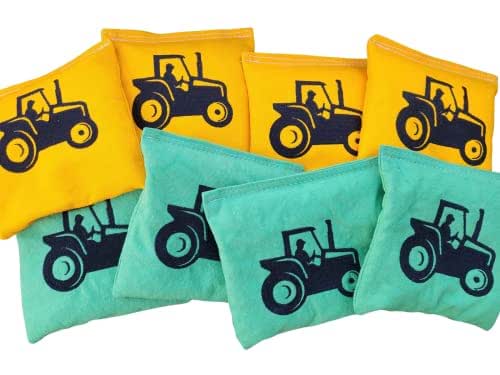
While a cheap set of bags might suffice for casual play, investing in high-quality, regulation-compliant bags is essential for anyone serious about corn toss. The benefits are manifold:
- Consistent Performance: Reliable behavior shot after shot, game after game.
- Durability: Withstanding the rigors of practice and competition.
- Fair Play: Ensuring you and your opponents are operating within the same parameters.
- Enhanced Enjoyment: The satisfaction of using well-made equipment that contributes to a positive playing experience.
Brands like Cornhole Solutions, Baggo, and others have established reputations for producing bags that meet or exceed regulation standards. Researching and choosing a reputable manufacturer is a wise investment for any corn toss enthusiast.
Beyond the Bag: The Interplay with Boards

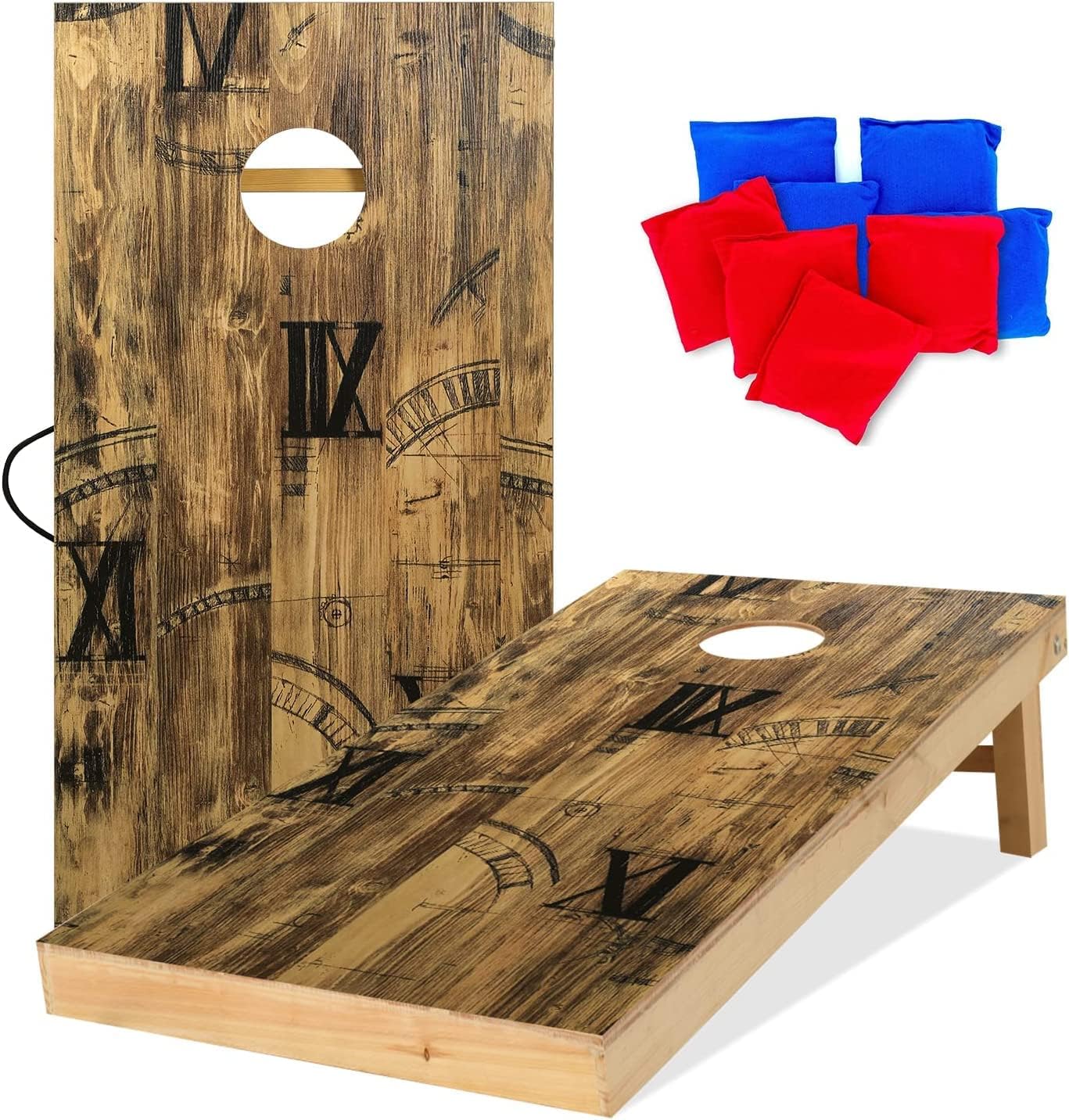
It’s crucial to remember that regulation bags do not operate in a vacuum. Their performance is intrinsically linked to the dimensions and materials of the regulation corn toss boards. The interplay between the bag’s characteristics and the board’s surface is what creates the dynamic and strategic nature of the game. Regulation boards also have specific dimensions for their playing surface, hole size, and slope, all of which are designed to complement the behavior of regulation bags.
The Pursuit of Precision in Every Toss
The regulation corn toss bag, far from being a simple toy, is a precisely engineered piece of sporting equipment. Its dimensions, fill material, and construction are meticulously defined to ensure fair play, consistent performance, and the integrity of the game. Understanding these specifications—the 6×6 inch size, the 15-16 ounce weight, the choice between traditional corn and advanced synthetic fillers, and the nuances of fabric and stitching—is fundamental for any player aspiring to compete at higher levels or simply to appreciate the depth of this engaging sport. By adhering to these standards, players can elevate their game, fostering an environment where skill and strategy, rather than equipment discrepancies, determine the ultimate champion.


