
The History and Evolution of Blue Raspberry Flavoring
The vibrant, almost otherworldly hue of blue raspberry is a ubiquitous presence in the candy aisle, a beacon of artificial delight that evokes childhood memories for millions. From slushies and lollipops to gummy candies and even certain alcoholic beverages, blue raspberry is a flavor phenomenon. But where did this electric blue concoction come from? And how did it evolve from a culinary curiosity to a global flavor icon? This article will journey through the fascinating history and evolution of blue raspberry flavoring, exploring its origins, its rise to prominence, and the science and marketing that cemented its place in our collective tastebud memory.
The Myth of the Blue Raspberry: Unraveling the Origins
The most striking aspect of blue raspberry is its inherent artificiality. Unlike naturally occurring blue fruits (which are exceedingly rare and typically small, like blueberries and elderberries), there’s no single fruit on Earth that naturally possesses the intense, vibrant blue associated with the flavor. This immediately points to a manufactured origin, a deliberate creation for the pleasure of consumers.
The prevailing theory, and the one most widely accepted, is that blue raspberry flavoring originated as a byproduct of an early attempt to replicate the flavor of the *Rubus leucodermis*, commonly known as the whitebark raspberry or blackcap raspberry. While these raspberries are indeed raspberries, their fruit is a dark purple or black when ripe. However, their leaves and stems are a distinctive pale green, and it’s theorized that early flavor chemists might have been attempting to capture the essence of a less ripe, or perhaps even the unripe, fruit, which could have had a slightly tart, less sweet profile. This attempt to capture a subtly different raspberry nuance, coupled with the desire for a visually appealing, novel color, paved the way for blue.
Another, albeit less substantiated, theory suggests that the color might have been an accidental discovery. Perhaps a food scientist was experimenting with a raspberry-like flavor and, in an effort to make it visually distinct from red raspberry products, decided to add a blue food coloring. The resulting combination, a sweet-tart flavor with an unexpected visual appeal, proved to be a hit.
Regardless of the precise eureka moment, it’s clear that the “blue raspberry” flavor was not a direct imitation of an existing fruit. Instead, it was a creative interpretation, a flavor profile that was more about the *idea* of a fruity, slightly exotic taste combined with a novel visual experience. This inherent artificiality, rather than being a detractor, became its defining characteristic and a key to its success.
The Rise of the Electric Blue: From Novelty to Staple
The true ascent of blue raspberry flavoring can be traced to the latter half of the 20th century, a period characterized by a growing consumer appetite for novelty and vibrant, exciting food experiences. The confectionery and beverage industries were actively seeking new and innovative flavors to capture the attention of a broadening market, especially the burgeoning youth demographic.
The Slushy Revolution and the Birth of a Legend
Perhaps the single most significant catalyst for blue raspberry’s popularity was its association with frozen, syrupy drinks, most notably the ICEE and its imitators. In the 1960s and 70s, these machines offered a novel way to consume flavored ice, and blue raspberry quickly became one of the most popular options. Its intense color made it stand out amongst more conventional fruit flavors, and its sweet-tart profile was perfectly suited to the refreshing, icy nature of the drink.
This symbiotic relationship between blue raspberry and slushies cemented its visual identity. Children, in particular, were drawn to the shocking blue hue, associating it with fun, excitement, and a treat that was distinct from everyday fare. The tactile experience of holding a cup filled with this vividly colored, icy beverage further amplified the sensory appeal.
Candy Connoisseurs and the Color Craze

The success of blue raspberry in beverages quickly spilled over into the world of confectionery. Manufacturers recognized the power of this unique flavor-color combination. It was visually arresting, differentiated products from competitors, and tapped into a sense of playful indulgence.
Consider the following examples:
- Lollipops: Blue raspberry became a staple flavor for countless lollipop brands, offering a burst of sweet-tartness in a vibrant blue package. Brands like Dum-Dums and Charms have long featured blue raspberry in their assortments.
- Gummy Candies: The chewy texture of gummies proved to be an ideal canvas for blue raspberry. Its bold flavor and color made it a popular choice for various gummy shapes, from bears to worms. Haribo and Sour Patch Kids have, at various times, offered blue raspberry variations.
- Chewing Gum: The refreshing and long-lasting nature of chewing gum also embraced blue raspberry. Its distinctive flavor offered a more exciting alternative to traditional mints or fruit gums.
The deliberate choice of the color blue was a stroke of marketing genius. In a world saturated with red (strawberry, cherry, fruit punch), yellow (lemon, banana), and orange (orange), blue offered a distinct and memorable departure. It signaled something new, something exciting, and something that dared to be different. This novelty factor was crucial in capturing consumer attention and fostering brand loyalty.
The Science Behind the Sensation: Decoding the Flavor Profile

While the origins of blue raspberry are somewhat shrouded in mystery, the flavor profile itself is the result of careful chemical engineering. The “raspberry” aspect of the flavor is typically achieved through a combination of esters, aldehydes, and ketones that mimic the complex aroma and taste of ripe raspberries. However, the “blue” element is entirely a matter of perception, achieved through the addition of synthetic food colorings.
The key to blue raspberry’s enduring appeal lies in its deliberate balancing of sweet and tart notes. It’s not an overly complex flavor; instead, it’s designed to be immediately pleasing and recognizable. This simplicity makes it highly adaptable to a wide range of products and palates.
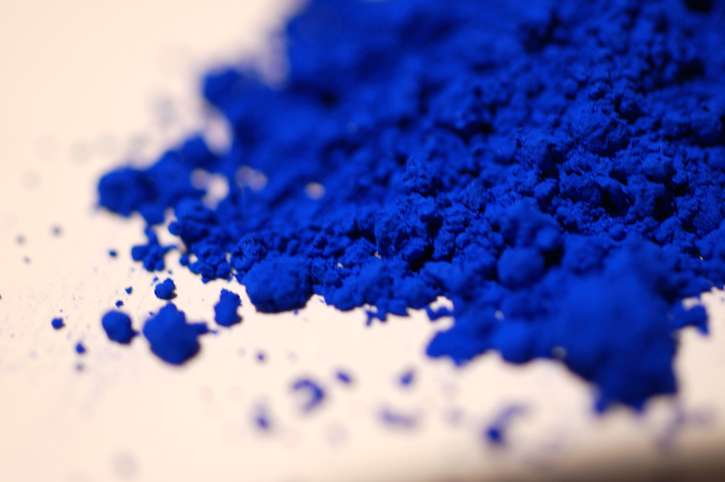
The artificial blue color, typically FD&C Blue No. 1 (Brilliant Blue FCF) or FD&C Blue No. 2 (Indigotine), is not inherently linked to the flavor compounds themselves. Their pairing is a conscious design choice. The human brain often associates colors with flavors, and this visual cue primes us to expect a certain taste. In the case of blue raspberry, the vibrant blue color triggers expectations of a fruity, possibly tangy, and intensely flavored experience. This synergy between visual and gustatory stimulation is a powerful tool in flavor creation.
Dr. Barry Green, a leading food scientist, explains this phenomenon: “Our perception of flavor is not solely reliant on our taste buds. It’s a complex interplay of taste, smell, texture, and even sight. Blue raspberry leverages this by presenting a visually stimulating color that primes the consumer for a specific, albeit artificial, flavor experience. The brain creates an expectation, and the flavor compounds then fulfill that expectation.”
Blue Raspberry’s Global Reach and Evolving Landscape

From its humble beginnings, blue raspberry has transcended geographical boundaries to become a globally recognized flavor. While its popularity remains particularly strong in North America, its presence can be found in candies, beverages, and frozen treats in various forms across continents.
The evolution of blue raspberry flavoring hasn’t stopped at its initial conception. As consumer tastes and preferences change, so too does the way blue raspberry is presented:
- Sour Variations: In response to the growing demand for sour candies, blue raspberry has often been amplified with additional citric acid and malic acid to create intensely sour versions, appealing to a more adventurous palate.
- “Natural” Interpretations: While the quintessential blue raspberry is undoubtedly artificial, some brands are exploring “natural” blue raspberry flavors, often using combinations of fruit extracts (like blackberry or elderberry) and natural blue colorants like spirulina extract. These aim to capture the spirit of the flavor while appealing to consumers seeking more natural ingredients.
- Gourmet and Craft Applications: Even in more sophisticated culinary spheres, blue raspberry has found its way into craft cocktails, artisanal ice creams, and even desserts, often presented with a playful nod to its nostalgic roots.
The continued presence of blue raspberry in new product launches is a testament to its enduring appeal. It’s a flavor that, despite its artificial nature, has become deeply ingrained in popular culture and consumer memory. Its ability to adapt and remain relevant across generations speaks volumes about its successful design and its powerful psychological connection to fun and indulgence.
A Legacy of Electric Delight
The history of blue raspberry flavoring is a captivating narrative of innovation, marketing savvy, and the human desire for exciting sensory experiences. From a potential laboratory experiment to a globally recognized flavor icon, blue raspberry has carved out a unique niche in the culinary landscape. Its artificiality, once a potential drawback, has become its defining strength, allowing for a vibrant, universally appealing, and undeniably fun flavor that transcends simple imitation.
The success of blue raspberry is a powerful illustration of how artificial flavors can forge deep connections with consumers, particularly when paired with memorable visuals and associations with joy and nostalgia. The electric blue hue, coupled with its signature sweet-tart taste, has created a flavor that is not just a taste, but an experience – a vibrant reminder of childhood treats and a testament to the enduring power of playful culinary invention.


