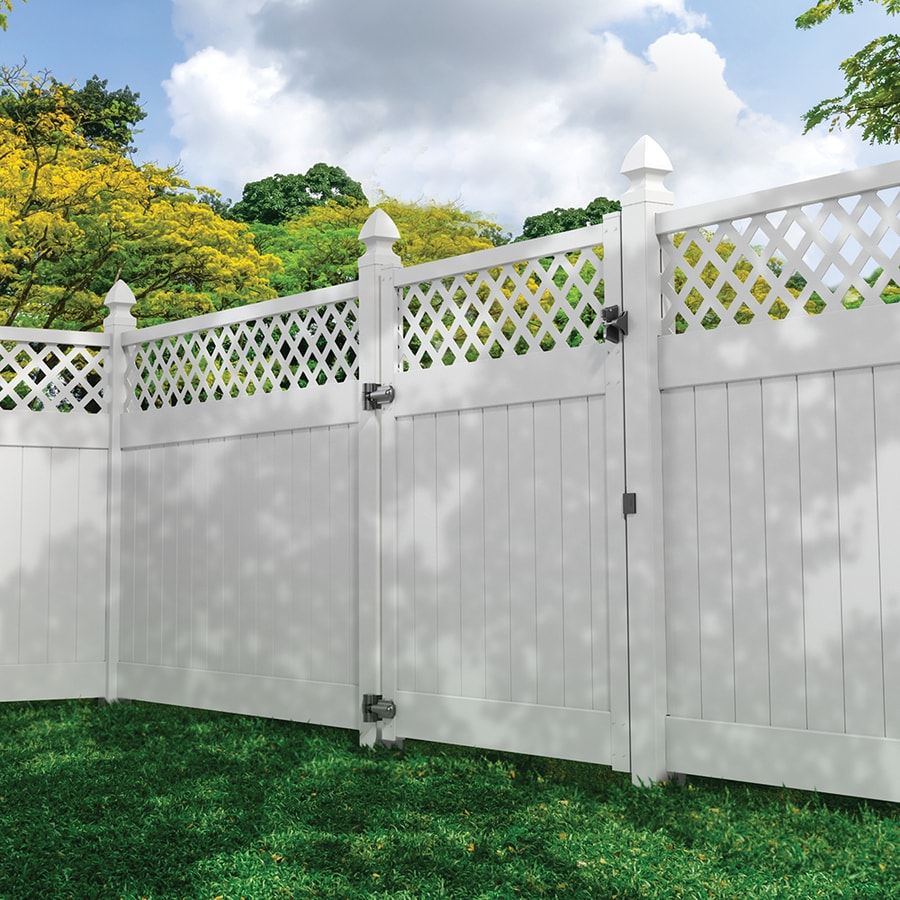
The Cost-Effectiveness of 8ft Vinyl Fence Panels: A Comprehensive Guide
Vinyl fencing has gained immense popularity in recent years, particularly for residential and commercial applications. Among the various options available, 8ft vinyl fence panels stand out as a viable choice due to their height, durability, and aesthetic appeal. This article explores the cost-effectiveness of 8ft vinyl fence panels, delving into their advantages, initial costs, long-term savings, and practical considerations. With a focus on data-driven insights, readers will gain a comprehensive understanding of why these fence panels may be a smart investment.
Understanding Vinyl Fencing
Vinyl fencing is made from polyvinyl chloride (PVC), a synthetic plastic polymer that offers several benefits over traditional materials like wood and metal. Below are some key characteristics of vinyl fencing:
- Durability: Vinyl is resistant to rot, insects, and harsh weather conditions.
- Low Maintenance: Unlike wood, vinyl does not require painting, staining, or sealing.
- Aesthetic Versatility: Available in various styles and colors, vinyl can mimic the look of wood or metal.
- Cost-Effective in the Long Run: While the initial investment may be higher, long-term savings can be significant.
The Cost Breakdown of 8ft Vinyl Fence Panels
The initial cost of installing an 8ft vinyl fence panel can vary based on several factors, including material quality, labor costs, and geographic location. Here’s a breakdown of the costs involved:
1. Material Costs

The price of vinyl fence panels generally ranges from $20 to $40 per linear foot, with 8ft panels typically costing more due to their height and material requirements. Factors influencing material costs include:
- Quality: Higher-quality panels may be more expensive but often come with better warranties and longer lifespans.
- Style: Decorative styles or custom colors can increase the price.
- Brand: Well-known brands may charge a premium for their products.
2. Labor Costs
Labor costs can vary widely depending on the complexity of the installation and local labor rates. On average, hiring a professional can cost between $5 and $15 per linear foot. Factors to consider include:
- Terrain: Difficult terrain or uneven ground may require more labor and expertise.
- Accessibility: Areas that are hard to reach can increase installation time and costs.
3. Additional Costs

In addition to materials and labor, there may be other costs to consider, such as:
- Permits: Depending on local regulations, you may need permits for large installations.
- Accessories: Gates, post caps, and hardware can add to the overall cost.
Long-Term Cost Savings
While the initial investment in 8ft vinyl fence panels may seem high, it is essential to consider the long-term savings associated with this material. Here are several ways vinyl fencing can save money over time:
1. Low Maintenance Costs

Unlike wood, which requires regular maintenance, vinyl fences are virtually maintenance-free. This translates to significant savings in:
- Cleaning Supplies: Vinyl can be cleaned with soap and water, eliminating the need for costly chemicals.
- Paint and Stain: There’s no need for repainting or staining, which can be labor-intensive and expensive.
2. Longevity
Vinyl fences can last 20 to 30 years or more with proper care, significantly outlasting wood fences, which typically last around 10 to 15 years. This longevity means fewer replacements and repairs, resulting in:
- Fewer investments in new fencing materials.
- Reduced labor costs associated with installing new fences.
3. Increased Property Value
Investing in a durable and attractive fence can enhance your property’s curb appeal, potentially increasing its market value. Studies suggest that quality fencing can return 70% to 90% of its cost upon resale, making it a wise investment.
Case Studies and Examples
To illustrate the cost-effectiveness of 8ft vinyl fence panels, let’s look at a couple of case studies:
Case Study 1: Residential Property in Suburban California
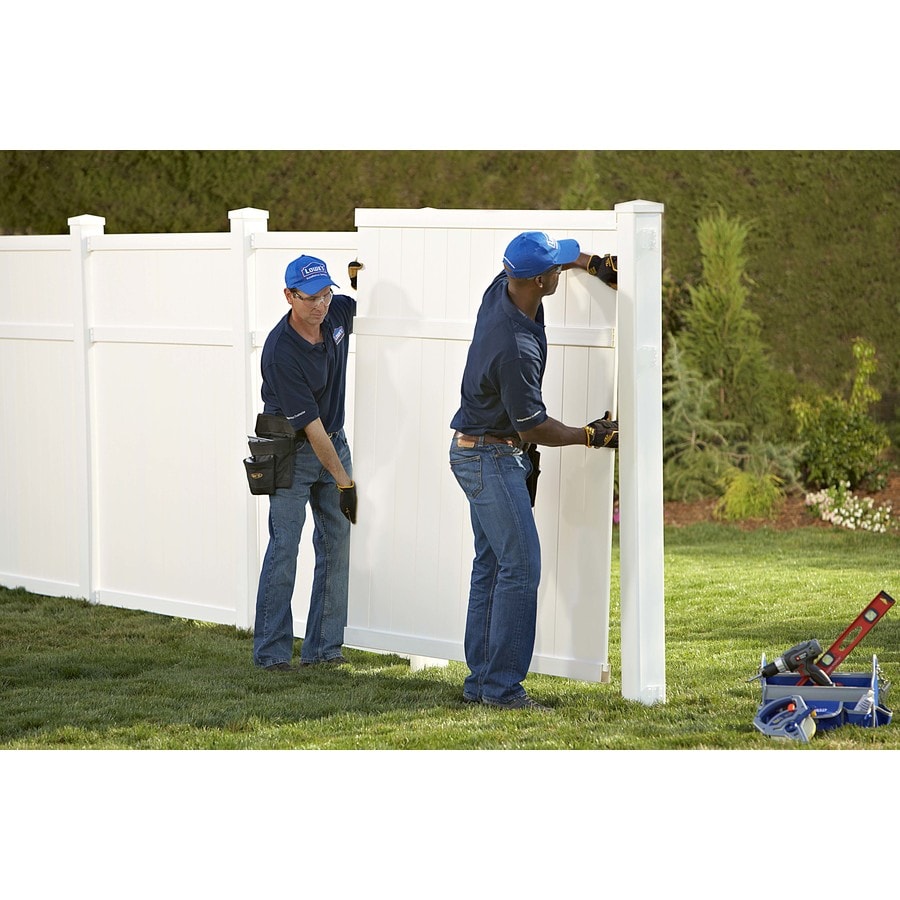
A family in suburban California decided to install an 8ft vinyl fence around their backyard for privacy and security. The total cost for materials and installation was approximately $4,500. After five years, they noted the following:
- Maintenance costs were zero, as the fence required no painting or repairs.
- The property value increased by approximately $8,000, attributing the increase in part to the new fence.
Case Study 2: Commercial Property in Texas

A small business owner installed an 8ft vinyl fence around their commercial property for security purposes. The total cost was around $6,000. Over ten years, the owner reported:
- Annual maintenance costs for traditional fencing would have added up to $1,500.
- Increased foot traffic due to enhanced property aesthetics, resulting in a 15% increase in business revenue.
Practical Considerations When Choosing Vinyl Fencing
While 8ft vinyl fence panels offer numerous benefits, it’s essential to consider some practical aspects before making a decision:
- Local Regulations: Check local zoning laws and homeowners’ association rules regarding fence height and materials.
- Climate: In areas with extreme weather, ensure the vinyl is rated for durability and protection against UV rays.
- Installation Requirements: Proper installation is crucial for maximizing the fence’s lifespan; consider hiring professionals.
In summary, 8ft vinyl fence panels are a cost-effective solution for both residential and commercial properties. While the initial investment may be higher than other fencing options, the long-term savings, low maintenance requirements, and potential increase in property value make them a wise choice. By understanding the costs, benefits, and practical considerations, homeowners and business owners can make informed decisions about their fencing needs. Ultimately, investing in quality vinyl fencing can enhance aesthetics, security, and value, proving to be a sound long-term investment.


