
The Best Materials for Durable Mirror Corner Protectors
Mirrors, with their ability to expand spaces and reflect light, are ubiquitous in our homes and businesses. From delicate vanity mirrors to expansive wall-sized installations, their aesthetic appeal is undeniable. However, the inherent fragility of glass, particularly at its vulnerable corners, presents a significant challenge during transportation, installation, and even everyday handling. This is where the humble yet crucial mirror corner protector steps in, acting as a shield against chips, cracks, and catastrophic breakage. The efficacy of these protectors hinges entirely on the materials used in their construction. This article delves deep into the world of durable mirror corner protectors, exploring the most effective materials and the science behind their protective prowess.
The Critical Role of Corner Protectors
Before dissecting the materials, it’s essential to understand *why* mirror corners are so susceptible. Glass, a brittle material, exhibits stress concentrations at sharp angles and edges. Any impact, even a seemingly minor one, applied directly to a corner can propagate a fracture through the entire pane. This is exacerbated during:
- Manufacturing and Handling: From the factory floor to the warehouse, and subsequently to retail stores, mirrors undergo numerous handling points.
- Transportation: The vibrations and potential impacts during transit are a major risk factor.
- Installation: Professionals and DIYers alike can inadvertently knock corners against doorframes, walls, or other surfaces.
- Relocation: Moving homes or offices invariably involves the risk of damage to mirrors.
Corner protectors are designed to absorb and dissipate these forces, providing a buffer zone that significantly reduces the likelihood of damage. Their effectiveness is directly proportional to the material’s ability to deform, cushion, and resist penetration.
Key Material Properties for Optimal Protection
When evaluating materials for mirror corner protectors, several key properties come to the forefront. A superior material will exhibit a combination of these characteristics:
- Impact Resistance: The ability to withstand sudden, forceful blows without fracturing or permanently deforming.
- Energy Absorption (Damping): The capacity to absorb the kinetic energy of an impact and dissipate it through deformation, preventing it from reaching the fragile glass.
- Compressive Strength: The ability to withstand squeezing forces without collapsing.
- Tear and Puncture Resistance: Crucial for preventing sharp objects from breaching the protector and reaching the mirror.
- Chemical Inertness: The material should not react with glass or common cleaning agents.
- Temperature Stability: The protector should maintain its protective properties across a reasonable range of temperatures.
- Cost-Effectiveness: While durability is paramount, the material’s cost plays a role in its widespread adoption.
- Ease of Manufacturing and Application: The material should be moldable into various shapes and easy to attach to mirror corners.
The Top Contenders: Materials Shaping Durable Mirror Corner Protection
Several materials have emerged as frontrunners in the realm of mirror corner protectors, each offering a unique blend of properties that contribute to their durability and effectiveness.
1. Expanded Polystyrene (EPS) Foam: The Ubiquitous Standard

Expanded Polystyrene, commonly known as Styrofoam (though Styrofoam is a brand name), is arguably the most prevalent material for mirror corner protectors. Its widespread use is attributed to a compelling combination of cost-effectiveness, lightweight nature, and excellent shock absorption properties.
- How it Works: EPS is composed of tiny, closed cells filled with air. When an impact occurs, these cells compress and then rebound, effectively cushioning the blow and absorbing energy. This cellular structure provides a high void space, making it lightweight and efficient for its volume.
- Advantages:
- Excellent Impact Absorption: The air-filled cells excel at dissipating impact energy.
- Lightweight: Adds minimal weight to shipments, reducing transportation costs.
- Cost-Effective: One of the most economical materials available.
- Moldable: Easily formed into precise corner shapes.
- Good Insulation: Offers some thermal insulation properties.
- Disadvantages:
- Lower Compressive Strength: Can be crushed under significant, sustained pressure.
- Susceptible to Punctures: Sharp objects can easily penetrate EPS.
- Environmental Concerns: While recyclable, its widespread use and disposal can be an environmental issue.
- Flammability: Standard EPS can be flammable, though fire-retardant versions exist.
Case Study: Many large furniture retailers and glass manufacturers rely heavily on EPS corner protectors for shipping framed and unframed mirrors. Their sheer volume and relatively low cost make them a practical choice for mass distribution. While effective against typical transit bumps, they may not offer sufficient protection against extreme impacts.
2. Expanded Polypropylene (EPP) Foam: The Premium Performer
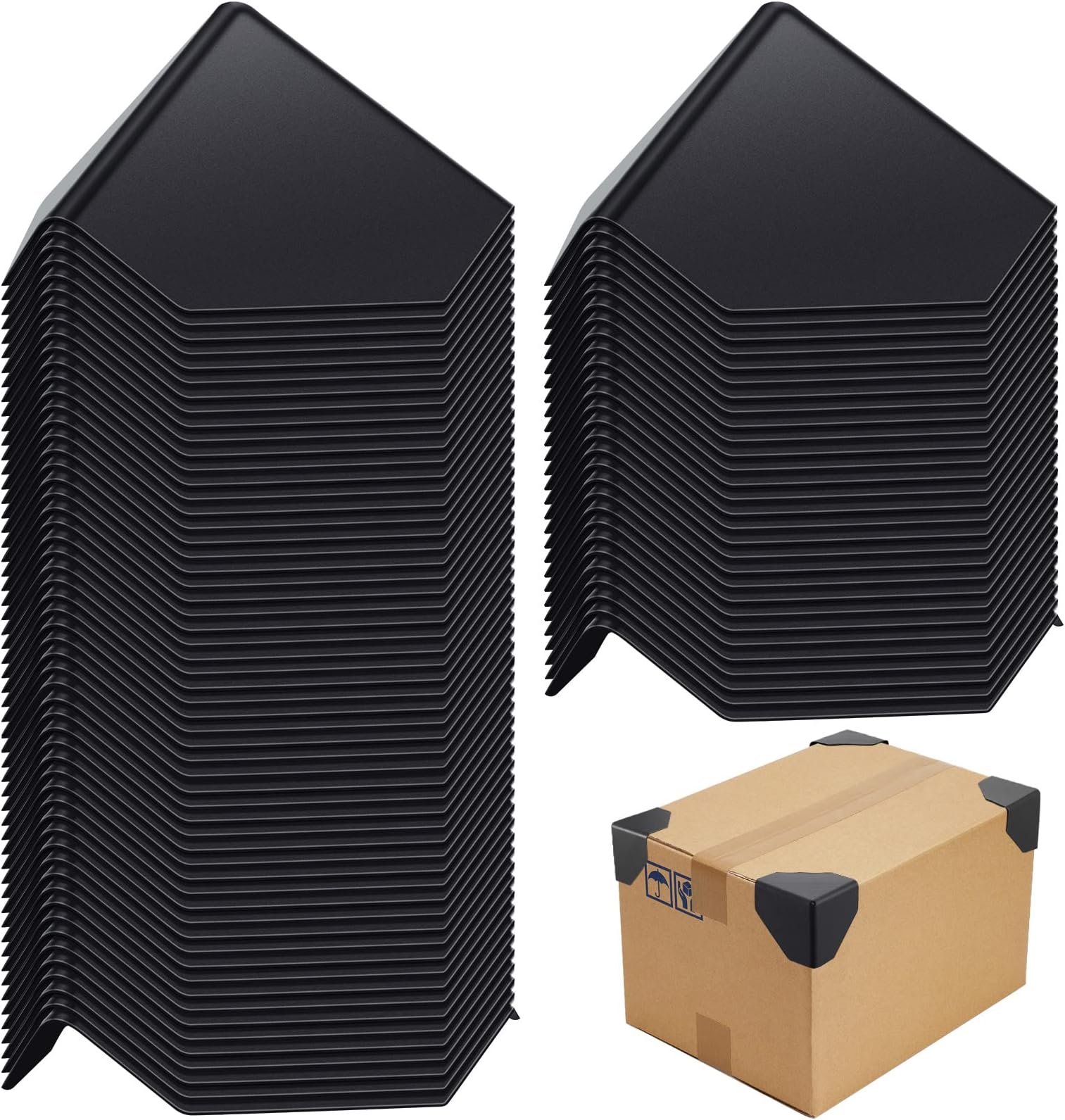
Expanded Polypropylene (EPP) is a close relative of EPS but boasts superior performance in several critical areas, making it a more robust option for high-value or particularly fragile mirrors.
- How it Works: Like EPS, EPP is a closed-cell foam. However, its molecular structure is more resilient and possesses a greater ability to return to its original shape after compression. This “memory” effect means EPP can withstand repeated impacts without significant degradation of its protective qualities.
- Advantages:
- Superior Impact Resistance: Significantly more resistant to deformation and damage than EPS.
- Excellent Energy Absorption: Its resilience allows it to absorb and dissipate impact energy effectively, even under repeated stress.
- High Compressive Strength: Can withstand greater pressure without collapsing.
- Good Tear and Puncture Resistance: More difficult to puncture or tear than EPS.
- Excellent Chemical Resistance: Resists oils, greases, and many solvents.
- Temperature Resistance: Performs well across a wider temperature range.
- Moisture Resistance: Does not absorb water.
- Disadvantages:
- Higher Cost: Generally more expensive than EPS.
- Slightly Heavier: Can be slightly denser than comparable EPS products.
Example: High-end art galleries and custom mirror manufacturers often opt for EPP corner protectors for their most delicate and valuable pieces. The enhanced durability ensures that these expensive items arrive at their destination unscathed, minimizing the risk of costly returns or replacements.
3. Molded Pulp: The Eco-Conscious Challenger
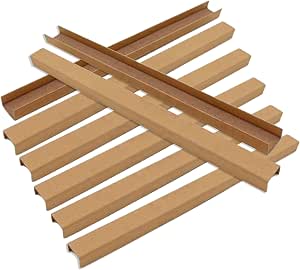
Molded pulp, often made from recycled paper or cardboard, offers an environmentally friendly alternative to plastic-based foams. Its unique texture and fiber structure provide surprisingly effective protection.
- How it Works: Molded pulp is created by pressing pulp into a desired shape using molds. The resulting structure is a network of interlocking fibers that can absorb impact and cushion delicate surfaces. The density and thickness of the pulp can be adjusted to enhance its protective qualities.
- Advantages:
- Environmentally Friendly: Made from recycled materials and is often biodegradable.
- Good Shock Absorption: The fibrous structure effectively dissipates impact energy.
- Customizable Shapes: Can be molded into complex designs.
- Good Ventilation: Allows for air circulation, which can be beneficial.
- Disadvantages:
- Susceptible to Moisture: Can degrade if exposed to significant moisture.
- Lower Durability than EPP: May not withstand the same level of repeated impacts as EPP.
- Potential for Dust/Debris: Can sometimes shed small fibers.
Trend Alert: With increasing consumer and corporate demand for sustainable packaging solutions, molded pulp mirror corner protectors are gaining traction. Companies focused on eco-conscious branding are increasingly adopting this material for their mirror shipments.
4. Rubber and TPE (Thermoplastic Elastomers): The Flexible Fortifiers

While less common for standalone corner protectors due to cost and manufacturing complexity, rubber and TPEs are often incorporated into multi-material solutions or used for specialized applications.
- How it Works: These flexible materials excel at absorbing shock through their inherent elasticity. They can deform significantly under impact and then return to their original shape, effectively cushioning the blow.
- Advantages:
- Excellent Flexibility and Resilience: Highly effective at absorbing repeated impacts.
- Good Grip: Can provide a non-slip surface.
- Durable: Resistant to wear and tear.
- Waterproof: Impervious to moisture.
- Disadvantages:
- Higher Cost: Generally more expensive than foams.
- Manufacturing Complexity: Can be more challenging and costly to mold into intricate shapes.
- Weight: Can be denser and heavier than foams.
Niche Application: In situations where mirrors are subject to significant vibration or movement, such as in specialized industrial equipment or marine applications, rubber or TPE corner protectors might be employed for their superior resilience and grip.
Beyond Material: Design and Implementation
While the material is paramount, the design and implementation of mirror corner protectors also play a significant role in their effectiveness. Key considerations include:
- Thickness: A thicker protector generally offers better cushioning.
- Coverage: Ensuring adequate coverage of the entire corner radius is crucial.
- Fit: A snug fit prevents the protector from shifting during transit.
- Interlocking Mechanisms: Some protectors are designed to interlock with edge protectors or cardboard sheets for a more comprehensive packaging solution.
- Branding: Some manufacturers utilize colored materials or embossing for branding purposes, which can also serve as a visual indicator of quality.
Statistics and Trends in Mirror Protection
The global market for protective packaging, which includes mirror corner protectors, is experiencing steady growth. Driven by the increasing volume of e-commerce sales for home goods and the continuous need for safe transit of fragile items, demand for effective protection solutions is on the rise. Reports indicate a growing preference for more sustainable packaging materials, which bodes well for molded pulp and innovative biodegradable foam alternatives. Furthermore, advancements in material science are constantly leading to the development of foams with enhanced resilience and impact absorption capabilities, pushing the boundaries of what’s possible in protecting delicate goods.
The Enduring Value of Smart Material Choices

The seemingly simple mirror corner protector is a testament to the power of thoughtful material selection. While expanded polystyrene remains a cost-effective and widely adopted solution, the superior resilience and durability of expanded polypropylene offer a premium choice for safeguarding valuable or particularly fragile mirrors. For the environmentally conscious, molded pulp presents a compelling and sustainable alternative. Ultimately, the best material for a durable mirror corner protector is one that effectively balances impact resistance, energy absorption, cost-effectiveness, and the specific demands of the application. By understanding the properties of these materials and the principles of effective design, manufacturers and consumers alike can ensure that the reflective beauty of mirrors is preserved, from their point of origin to their final destination.


