
The Art of Mixtapes: Creating the Perfect Playlist on a Cassette Tape Player
In a world saturated with instant digital access to every song imaginable, the deliberate act of creating a mixtape for a cassette tape player feels almost anachronistic, a charming relic of a bygone era. Yet, for many, this tactile, time-intensive process holds a unique power, a profound artistic expression that digital playlists, however convenient, can rarely replicate. The mixtape is more than just a collection of songs; it’s a curated narrative, a sonic love letter, a testament to the maker’s understanding and affection for the recipient. This article delves into the art of mixtape creation, exploring the nuances, the challenges, and the enduring magic of crafting the perfect playlist on a cassette tape.
The Genesis of the Mixtape: More Than Just a Hobby
The mixtape’s roots are deeply entwined with the rise of affordable home recording technology in the 1970s and 1980s. Initially, it was a way for music lovers to share their favorite tracks with friends, to introduce them to new sounds, or to simply create a personalized soundtrack for road trips and parties. The physical nature of the cassette tape demanded a level of intentionality. You couldn’t just drag and drop files. It involved meticulous selection, careful sequencing, and the often-frustrating process of recording each song, one by one, ensuring the sound quality was as good as possible.
The cultural impact of mixtapes is undeniable. They were instrumental in the spread of underground music genres, from punk and hip-hop to indie rock. Bands would distribute their early demos on mixtapes, and DJs would create promotional tapes to showcase their skills. For individuals, a mixtape was a deeply personal gift, a way of communicating emotions, memories, and inside jokes through the medium of music. The effort involved signaled a level of care and consideration that resonated profoundly.
The Anatomy of a Perfect Mixtape: Key Considerations

Creating a truly great mixtape is an art form that requires a blend of technical skill, emotional intelligence, and a deep understanding of musical flow. It’s not simply about compiling a list of your favorite songs; it’s about weaving them into a cohesive and engaging listening experience. Here are the essential elements to consider:
1. The Purpose and the Recipient: Who Are You Making This For?
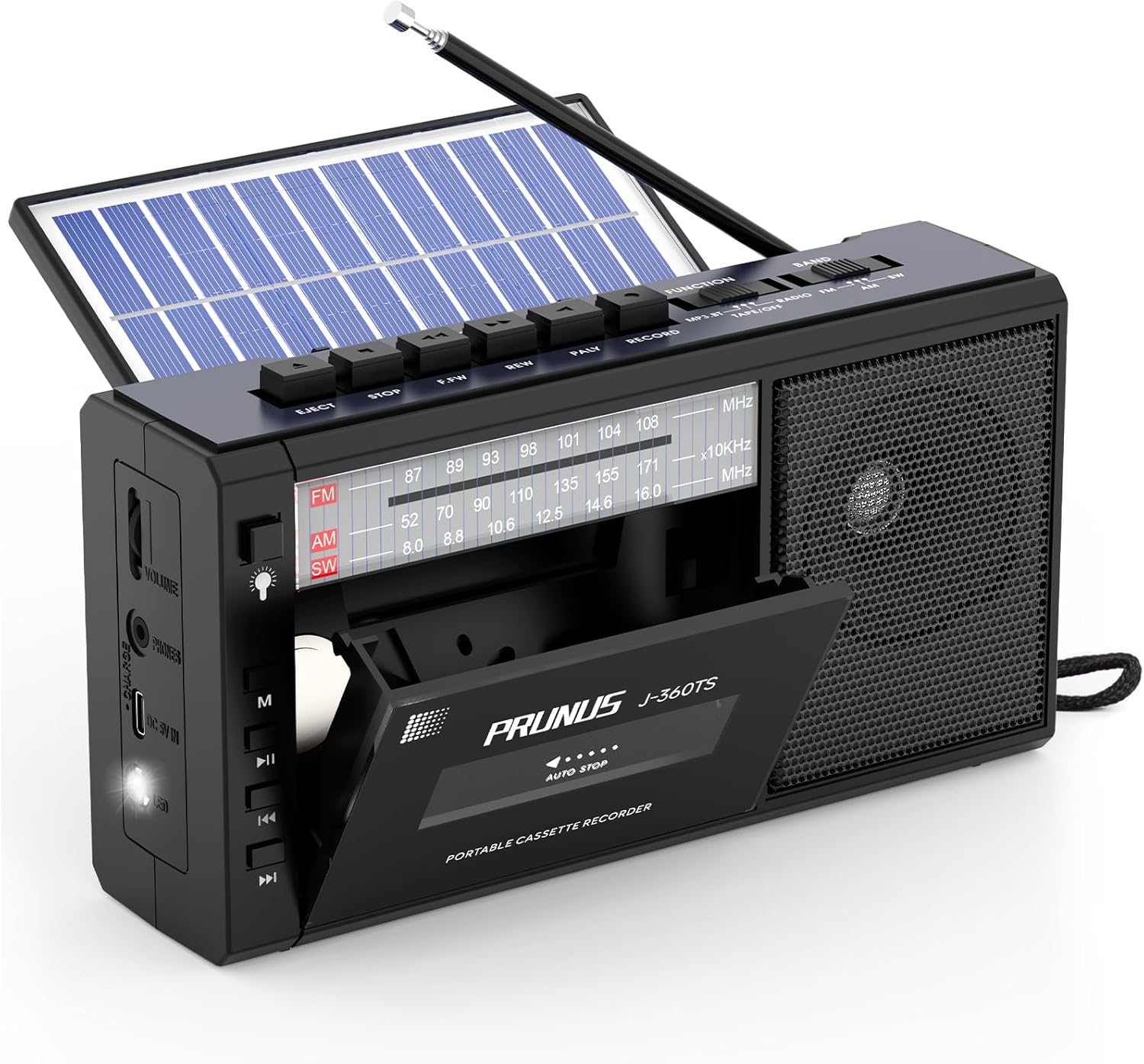
The most crucial step in mixtape creation is defining its purpose. Is it a romantic gesture for a loved one? A sonic journey for a road trip buddy? A curated introduction to a genre you’re passionate about? The intended recipient and the occasion will heavily influence your song choices. A mixtape for a significant other might be filled with heartfelt ballads and songs that hold shared memories, while a road trip mixtape might lean towards upbeat anthems and driving rhythms.
Consider the recipient’s musical tastes, but also their personality and current mood. A mixtape that perfectly captures someone’s essence will be cherished far more than one that simply contains their “top hits.” Think about inside jokes, shared experiences, and subtle references that only they will understand. For instance, a mixtape for a friend who loves cheesy 80s pop might include a surprisingly poignant ballad from that era, alongside their usual energetic favorites.
2. The Sonic Palette: Selecting Your Tracks

This is where the true artistry begins. Each song selection should serve a purpose within the overall narrative. Aim for a balance of familiar favorites and exciting new discoveries. The goal is to create a journey, not just a random assortment of tunes. When choosing songs, consider:
- Genre and Mood Consistency: While variety is good, a mixtape that jumps wildly between genres without any thematic thread can be jarring. Try to find a general mood or a throughline that connects the songs. This could be a specific era, a feeling (e.g., melancholy, energetic), or a lyrical theme.
- Tempo and Energy Flow: The order of songs is paramount. Think about how the energy of each track will transition into the next. A common approach is to start with a strong, attention-grabbing song, build momentum, perhaps introduce a more mellow section, and then finish with a memorable or impactful track.
- Lyrical Themes and Narrative: Some of the most powerful mixtapes tell a story through their lyrics. Look for songs that complement each other thematically, creating a narrative arc that unfolds as the tape plays.
- Discovery and Surprise: Introduce the recipient to music they might not have heard before. This is where your unique taste and passion can shine. A well-placed, unexpected gem can be incredibly rewarding.
- Nostalgia and Memory: Incorporate songs that hold special significance for both you and the recipient. These are the anchors of the mixtape, grounding it in shared history.
Case Study: “High Fidelity” Mixtape Culture. The film “High Fidelity” (2000) famously showcased the obsessive dedication to creating perfect mixtapes. John Cusack’s character, Rob, meticulously curates playlists for breakups and new relationships, demonstrating the emotional weight and analytical depth that went into this practice. His infamous “Top Five Breakup Songs” lists highlight the subjective and deeply personal nature of these creations.
3. The Technicalities: Recording and Sequencing

This is where the tangible aspect of mixtape creation comes into play. Cassette tapes have a limited running time, typically 60 or 90 minutes. This constraint forces you to be economical and deliberate with your choices.
- Track Order is Everything: As mentioned earlier, the sequence is crucial. Plan your A-side and B-side carefully. Think about how one song will fade into the next, or how a dramatic shift in tempo or mood can be effective.
- Recording Method: The classic method involves a dual-cassette deck, or a single-deck recorder connected to a stereo system. You’d play a song from a source (vinyl, CD, another tape, or even radio) and record it onto the blank cassette.
- Bridging Tracks: A skilled mixtape maker might introduce subtle transitions between songs. This could be a brief instrumental fade, a spoken word interjection, or even a carefully chosen sound effect.
- Tape Hiss and Quality: Embrace the imperfections. The characteristic hiss of a cassette tape is part of its charm. However, strive for the best possible recording quality by using good quality blank tapes and ensuring your source material is clean.
- Naming and Labeling: A well-titled mixtape with a handwritten tracklist adds to its personal appeal. This is your opportunity to further convey the mixtape’s theme or message.
Statistics on Cassette Tape Revival: While not as dominant as digital, the cassette tape market has seen a resurgence in recent years. According to some reports, cassette sales have seen a modest but consistent increase, driven by nostalgia, collector culture, and the unique aesthetic appeal of the format. This suggests a continued appreciation for physical media and the unique experiences it offers.
Beyond the Music: The Emotional Resonance of a Mixtape

The true power of the mixtape lies not just in the music itself, but in the intention and the effort behind its creation. In an age of fleeting digital interactions, a tangible mixtape represents a significant investment of time and thought. It’s a declaration of care, a way of saying, “I thought about you, I curated this specifically for you.”
The act of physically handing over a mixtape, the anticipation of the recipient listening to it, and the subsequent conversations it might spark are all part of the experience. It fosters a deeper connection than a shared Spotify playlist ever could. A mixtape is a tangible artifact of affection, a piece of art that can be held, replayed, and cherished for years to come.
The Digital Era’s Echoes: Modern Interpretations
While the cassette tape may be the iconic medium, the spirit of the mixtape lives on in the digital age. Curated playlists on streaming services, while lacking the tactile charm, can still embody the same intentionality. The key is to approach digital playlist creation with the same care and consideration as one would a cassette mixtape.
However, the ease of digital creation can also dilute its impact. The sheer volume of music available, and the speed at which playlists can be assembled and shared, can sometimes lead to a less meaningful experience. The deliberate constraints of the cassette tape forced a more thoughtful approach, a lesson that can still be applied to digital curation.
The Enduring Magic of the Handmade Playlist
The art of the mixtape, of crafting the perfect playlist on a cassette tape player, is a testament to the enduring power of thoughtful curation and genuine human connection. It’s an art form that demands patience, passion, and a deep understanding of both music and the recipient. While the technology may have evolved, the core principles of creating a meaningful sonic gift remain the same: intentionality, careful selection, and a desire to share something truly special. In a world of instant gratification, the deliberate act of creating a mixtape is a powerful reminder of the value of time, effort, and the art of giving.


