The Art of Collage: Creative Uses for Picture Mats
When we think of framing artwork or cherished photographs, our minds often immediately go to the frame itself – the wood, the metal, the ornate carvings. However, lurking just beyond the glass, playing a crucial yet often overlooked role, is the humble picture mat. Far from being a mere separator between image and frame, a well-chosen mat is a powerful artistic tool. When we embrace the concept of collage, this potential is amplified tenfold. This article will explore the art of collage through the lens of picture mats, uncovering a world of creative possibilities that extend far beyond their traditional function.
Beyond the Border: Rethinking the Picture Mat
Traditionally, a picture mat, also known as a mount board, serves several practical purposes. It provides a visual buffer, preventing the artwork or photograph from touching the glass, thereby avoiding condensation and potential damage. It also creates a sense of depth and draws the viewer’s eye into the image. However, in the realm of collage, these functions become starting points for artistic exploration.
A picture mat, typically made from acid-free paper or cardstock, possesses a distinct textural and structural quality. Its uniform surface, its thickness, and its ability to be cut, layered, and manipulated make it an ideal substrate and component for collage. When we move beyond single-image framing, the mat transforms from a passive bystander into an active participant in the creative process.
The Mat as a Canvas: Foundations for Collage
Perhaps the most direct creative use of a picture mat in collage is to treat it as the primary canvas. Instead of placing a single image within its opening, the mat itself becomes the surface upon which layers of paper, fabric, photographs, and other ephemera are adhered. This approach opens up a universe of artistic expression:
- Layering and Depth: Mats can be cut into various shapes and sizes, allowing for intricate layering. Imagine cutting out geometric shapes or organic forms from different colored mats and building up a textured landscape or abstract design.
- Textural Exploration: The inherent texture of mat board can be enhanced by incorporating textured materials like burlap, handmade paper, or even thin sheets of metal.
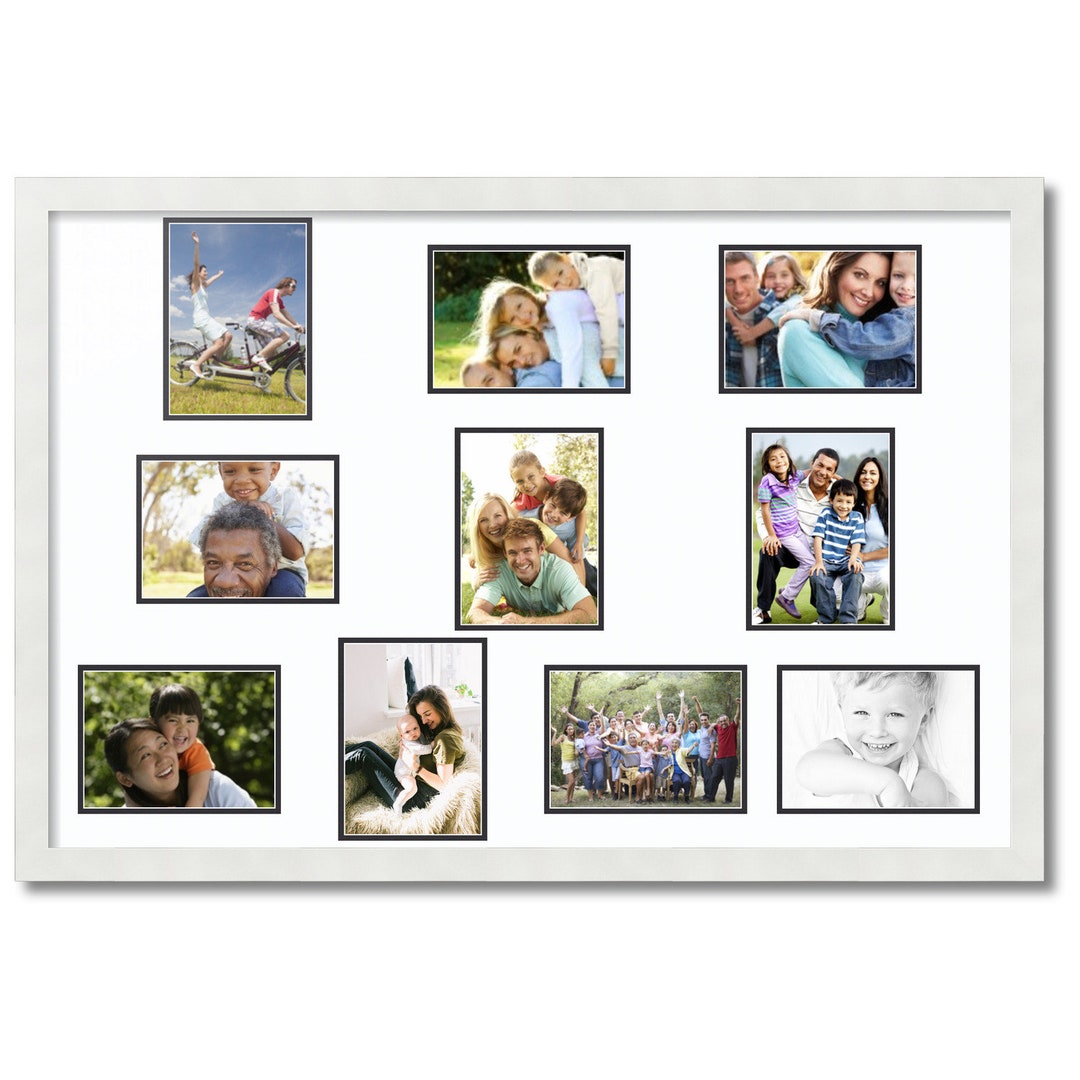
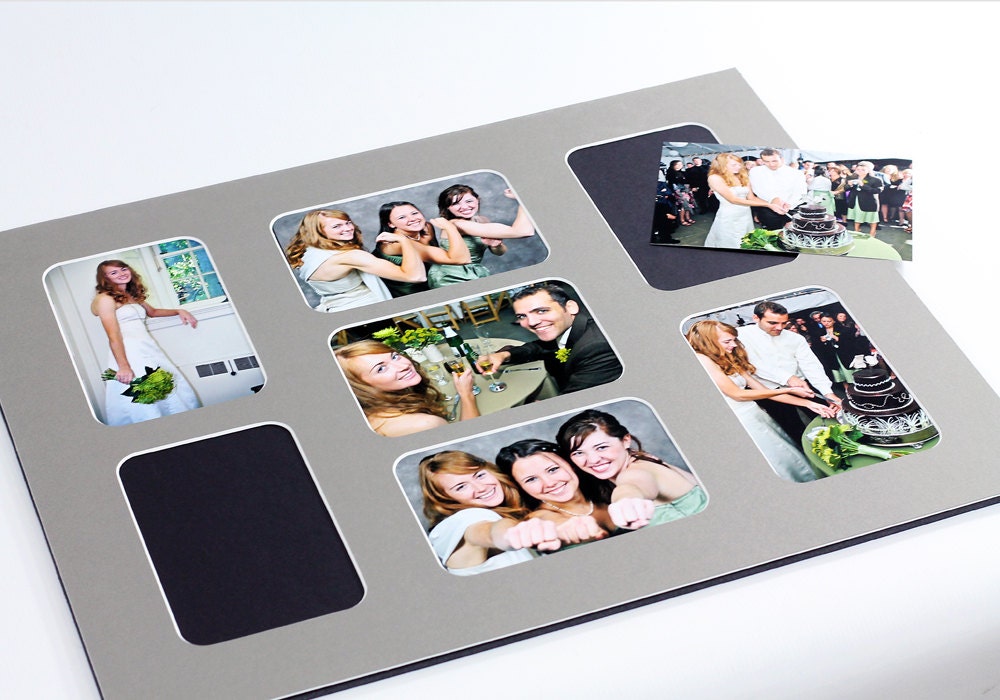
- Framing within a Frame: A larger mat can be used to create multiple openings, each housing a smaller piece of collage or a fragment of an image, effectively creating a “gallery” within a single piece.
- Dimensionality: By scoring and folding mat board, artists can introduce three-dimensional elements, creating boxes, architectural structures, or abstract sculptural forms that emerge from the flat surface.
Consider the work of an artist like Romare Bearden, a pioneer of collage, whose fragmented narratives often utilized layered paper and found materials to create vibrant and complex visual stories. While Bearden might not have exclusively used picture mats, his approach to building up imagery through carefully selected and positioned elements directly informs how a mat can serve as a dynamic compositional foundation.
Matting Fragments: Integrating Mats into the Collage Composition

Beyond using the mat as the entire canvas, picture mats can be strategically incorporated *into* the collage itself, acting as individual elements that contribute to the overall narrative and aesthetic. This involves treating the mat board not just as a border, but as a material with its own visual characteristics.
Cutting and Shaping: Geometric and Organic Forms
The ability to precisely cut mat board with a craft knife or a mat cutter is a significant advantage. Artists can create:
- Geometric Insets: Perfectly cut squares, rectangles, or circles of mat board can be used as windows to reveal underlying layers of collage or as frames for smaller photographic elements.
- Abstract Shapes: Irregular shapes, torn edges, or freehand cut forms can add an organic, handmade feel to a collage, breaking away from strict geometric precision.
- Negative Space as Form: The negative space created by cutting out shapes from a mat can itself become a compelling visual element, defining relationships between other components of the collage.
For example, a collagist might cut a large oval from a black mat board and use it as a dramatic backdrop for a black-and-white photograph layered with vintage letters. The stark contrast and the clean edge of the mat create a focal point, drawing the viewer into the juxtaposition of elements.
Layering Mats for Texture and Dimension

Stacking multiple pieces of mat board, even with slight offsets, can create subtle yet effective variations in depth and texture. This can be particularly impactful when using mats of different colors and thicknesses. A few examples include:
- Creating Channels: Layering mats can create recessed areas or channels, within which smaller collage elements can be placed, giving them a protected or emphasized visual space.
- Simulated Relief: By carefully layering and shaving down sections of mat board, artists can achieve a low-relief effect, adding a tactile dimension to their work.
- Shadow Play: The slight overhangs and shadows created by layered mats can add visual interest and complexity, especially when lit from a specific angle.
Consider the work of artists who utilize mixed media, incorporating found objects and varied textures. The principles of building up surfaces and creating visual interest through layered materials are directly applicable when using picture mats in this manner. A piece might feature a weathered photograph, a snippet of text, and then a precisely cut piece of a colored mat board layered on top, creating a subtle elevation and a distinct visual separation.
Mat Boards as Content: Integrating Images and Text *onto* the Mat
The surface of the picture mat itself can become a canvas for direct manipulation, further expanding its role in collage. This moves beyond simply cutting and layering and into direct artistic intervention.
- Drawing and Painting: The smooth surface of mat board is ideal for drawing with pencils, charcoal, pastels, or even for applying thin washes of watercolor or acrylic paint.
- Stamping and Stenciling: Artists can stamp intricate patterns or letters directly onto the mat, or use stencils to create masked areas for paint or ink application.
- Rubbings and Transfers: The texture of the mat can be used for rubbings, or images can be transferred onto its surface using mediums like gel medium.
Imagine a collage featuring a faded portrait. The artist might then use a dark blue mat board as a background, drawing swirling patterns of stars and nebulae onto it with white charcoal. This integrates the mat’s surface directly into the narrative, suggesting a cosmic or dreamlike setting for the portrait.
Case Studies and Inspirations: Artists Pushing Boundaries
While dedicated “picture mat collagists” might not be a widely recognized category, many artists across various disciplines have explored the potential of similar rigid substrates and framing elements in their work. The principles of their creations offer valuable insights:
- Found Object Assemblage: Artists like Louise Nevelson, known for her monochromatic wooden sculptures composed of found objects, demonstrate the power of assembling disparate elements into a cohesive whole. The rigidity of the mat board can serve a similar structural purpose in collage.
- Mixed Media Art: Artists who work with mixed media often incorporate paper, fabric, paint, and found objects onto a rigid surface. The mat board provides a readily available and versatile surface for such experimentation.
- Book Arts and Altered Books: The creation of altered books, where pages are transformed through collage, painting, and other techniques, often involves layering and building up visual elements. A thick piece of mat board can serve as a sturdy page or as a component within a larger altered book project.
A hypothetical case study might involve an artist creating a series of collages exploring the theme of memory. They might use a cream-colored mat board as the base for each piece. On this mat, they would adhere fragments of old letters, torn pieces of vintage photographs, and pressed flowers. They might then use a darker mat board, cut into organic, cloud-like shapes, to overlay certain areas, creating a sense of fading or obscurity. The clean edges of the mat, juxtaposed with the organic collage elements, would create a tension that enhances the theme of fragmented recollections.
Practical Considerations for Mat Board Collage
When embarking on picture mat collage, a few practical aspects are crucial to ensure the longevity and aesthetic integrity of your work:
- Archival Quality: Always opt for acid-free and lignin-free mat board to prevent yellowing and deterioration over time. This is especially important if you are incorporating photographs or delicate paper elements.
- Adhesives: Use archival-quality adhesives that are suitable for paper and board. Techniques like PVA glue, spray adhesives, or double-sided archival tape can be employed depending on the desired effect and the materials being used.
- Cutting Tools: Invest in a good quality craft knife, a metal ruler, and a self-healing cutting mat for precise and clean cuts. A mat cutter can be a valuable investment for more elaborate projects.
- Design and Composition: Think about the interplay of color, texture, and form. Consider how the mat’s color will complement or contrast with your collage elements. The negative space created by cutouts is just as important as the positive elements.
Statistics from the framing industry indicate a growing interest in personalized and artistic framing solutions, suggesting an audience receptive to creative uses of matting. While specific statistics for “mat board collage” are scarce, the broader trend towards bespoke and visually engaging presentation bodes well for this artistic avenue.
Elevating the Ordinary to the Extraordinary

The picture mat, often relegated to a supporting role, holds immense potential as a primary component and creative substrate in collage. By rethinking its function, we can transform it from a simple border into a dynamic canvas, a textural element, or even a narrative device. Whether used as a foundation for layering, as a precisely cut form, or as a surface for direct artistic intervention, the picture mat offers a readily accessible and versatile material for artists seeking to explore new frontiers in collage. Embracing the art of picture mat collage allows us to elevate the ordinary into the extraordinary, breathing new life into familiar materials and unlocking a world of visual storytelling.


