
Stylish and Functional: The Benefits of Room Separators
In the ever-evolving landscape of home design, the quest for maximizing both aesthetic appeal and practical utility has led to the rise of ingenious solutions. Among these, room separators stand out as versatile, impactful elements that can transform a living space from functional to truly exceptional. Far beyond mere dividers, these thoughtfully chosen elements offer a compelling blend of style and function, empowering homeowners and designers to sculpt dynamic, adaptable, and visually engaging environments.
Whether you’re grappling with an open-plan layout that feels too expansive, yearning for distinct zones within a single room, or simply seeking to inject a dose of sophisticated design, room separators offer a compelling answer. This article delves into the multifaceted benefits of incorporating stylish and functional room separators, exploring how they enhance privacy, define zones, improve acoustics, boost aesthetics, and contribute to a more organized and harmonious living experience.
Beyond Walls: Understanding the Versatility of Room Separators
The traditional notion of a wall as the sole means of division is rapidly becoming outdated. Room separators encompass a broad spectrum of solutions, each with its own unique characteristics and applications. From the transparent elegance of screens to the solid presence of shelving units, their adaptability is their superpower. This section will explore the diverse forms room separators can take, setting the stage for understanding their practical advantages.
A Spectrum of Solutions: From Fluid Screens to Solid Structures
Room separators are not a monolithic category. They range from:
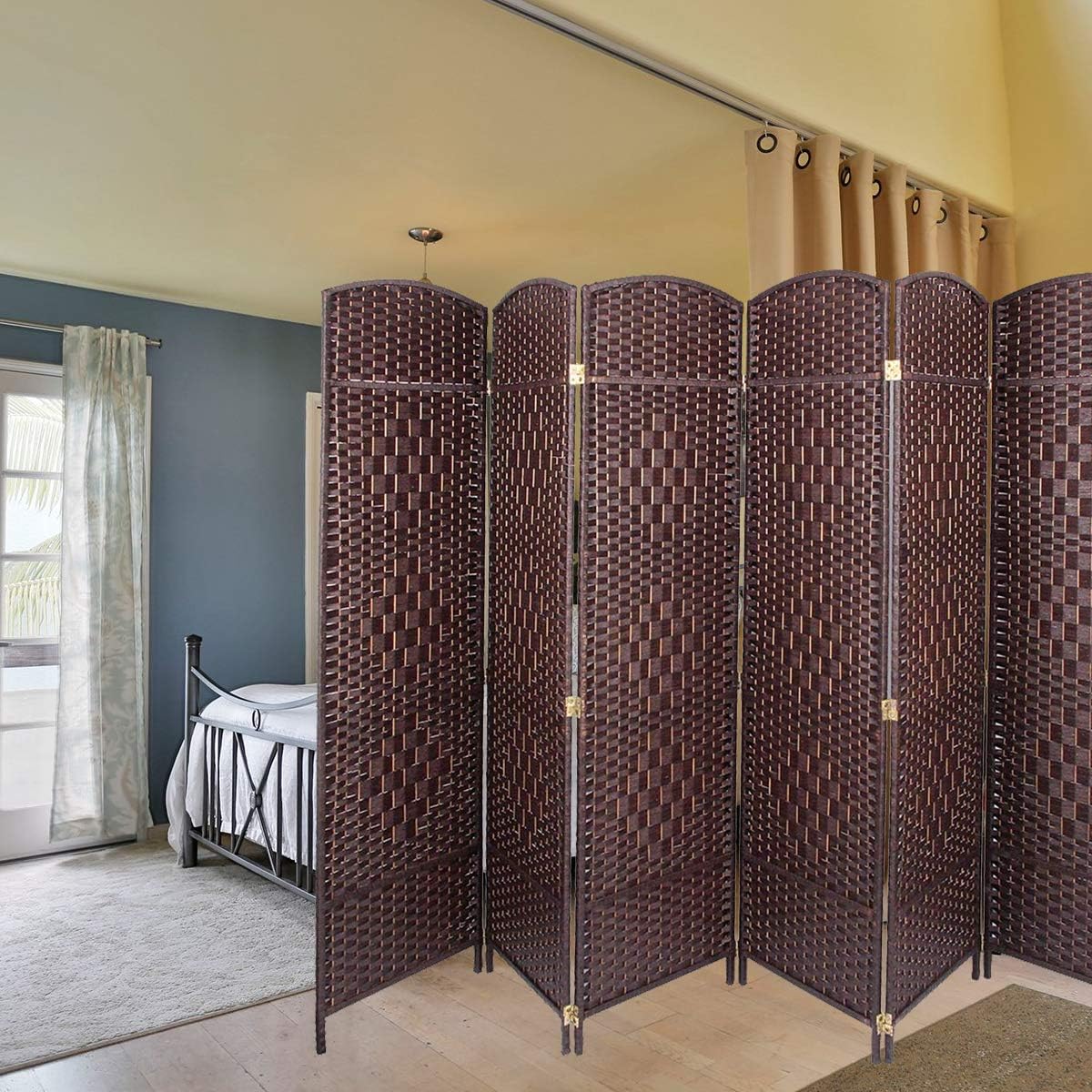
- Folding Screens and Room Dividers: These are perhaps the most traditional form, offering portability and flexibility. Available in materials like wood, bamboo, fabric, and metal, they can be easily moved and reconfigured.
- Bookshelves and Shelving Units: Strategically placed bookshelves can act as natural barriers, providing both division and valuable storage. They offer a solid yet permeable boundary.
- Curtains and Drapes: Fabric dividers, whether sheer or opaque, offer a soft and elegant way to section off areas. They can be drawn back when not needed, maximizing openness.
- Glass Partitions and Panels: These can range from frosted or patterned glass to entire sliding or bifold doors. They offer visual separation without sacrificing light or a sense of spaciousness.
- Plants and Green Walls: For a biophilic approach, lush plants or living walls can create a natural, breathable division, adding a touch of nature and improving air quality.
- Furniture Placement: Even the strategic arrangement of furniture, such as a sofa positioned to face away from a dining area, can create a subtle but effective separation.
- Sliding Doors and Barn Doors: These offer a more permanent but highly functional solution, allowing for complete closure when privacy or acoustic separation is paramount.
The Multifaceted Benefits of Strategic Separation
The advantages of incorporating room separators extend far beyond simply breaking up a large space. They are powerful tools that can positively impact the functionality, comfort, and overall ambiance of your home.
1. Elevating Privacy and Personal Space

In increasingly open-plan living environments, the need for distinct private zones is paramount. Room separators provide a tangible solution, creating dedicated areas for different activities without the need for permanent construction. For instance, in a studio apartment, a stylish folding screen can delineate the sleeping area from the living space, offering a sense of sanctuary and improving the overall functionality of the apartment. This is particularly beneficial for couples or families sharing a larger room, allowing individuals to pursue hobbies or enjoy quiet time without feeling entirely cut off or encroaching on others’ space.
Consider a case study from a modern urban loft. The owners found their expansive open-plan living, dining, and kitchen area lacked a sense of intimacy. By introducing a tall, open-backed shelving unit filled with books and decorative items between the living and dining areas, they achieved a subtle yet effective separation. The shelving unit still allowed light to flow through and maintained a visual connection, but it created a distinct “zone” for each activity, significantly enhancing the feeling of personal space without sacrificing the open-plan aesthetic.
2. Defining Zones for Enhanced Functionality
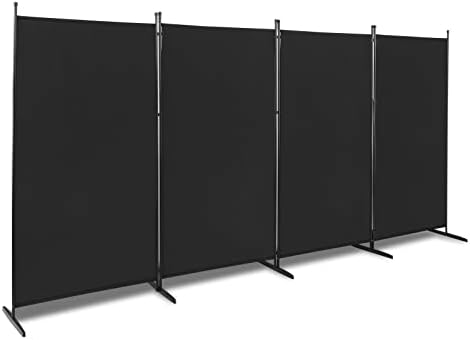
One of the most significant benefits of room separators is their ability to clearly define zones within a larger space. This is crucial for optimizing the functionality of multi-purpose rooms. In a combined living and dining area, a well-placed rug and a console table can visually separate the two zones. For a home office set up in a corner of a living room, a tall bookshelf or a decorative screen can create a dedicated workspace, fostering focus and productivity.
A recent survey by Houzz revealed that 75% of homeowners who renovated their homes in the past year considered improving the functionality of their living spaces a top priority. Room separators directly address this need by allowing for a more organized and purpose-driven layout. Imagine a family room that also serves as a play area for children. A large, floor-to-ceiling curtain can be drawn to conceal toys and games when guests are visiting, instantly transforming the space back into a sophisticated entertainment area. This dual-purpose functionality is a hallmark of effective room separation.
3. Improving Acoustics and Reducing Noise Disturbance
Open-plan layouts, while desirable for their sense of spaciousness, can often suffer from poor acoustics. Sound travels easily, leading to distractions and a lack of auditory privacy. Room separators, particularly those made from denser materials or incorporating soft furnishings, can help absorb and dampen sound, creating a more peaceful and focused environment.
Fabric curtains, upholstered screens, and even bookshelves filled with books can contribute to sound reduction. A study published in the Journal of Acoustical Society of America found that the strategic placement of sound-absorbing materials can significantly reduce reverberation time and improve speech intelligibility in large spaces. For a home with young children or individuals working from home, this acoustic benefit can be transformative, allowing for quieter sleep, more focused work, and a generally more serene living experience.
4. Boosting Aesthetic Appeal and Design Cohesion
Room separators are not merely functional; they are powerful design elements that can enhance the visual appeal of a space. They offer an opportunity to introduce texture, color, pattern, and architectural interest. A beautifully crafted wooden screen can add warmth and natural beauty, while a contemporary metal divider can bring a sleek, modern edge. They can act as a focal point, drawing the eye and contributing to the overall design narrative of the room.
Consider the impact of a decorative fretwork screen in a bohemian-inspired living room, or a minimalist glass partition in a Scandinavian-designed space. These elements not only serve their functional purpose but also contribute significantly to the room’s character and style. They can also be used to unify disparate design elements. For instance, a separator with a color palette that echoes the surrounding furniture can create a sense of cohesion, tying the entire space together.
5. Enhancing Organization and Decluttering
Many room separators, such as shelving units and credenzas, offer built-in storage solutions. This integrated organization can be a game-changer for maintaining a clutter-free environment. By providing designated spaces for books, decorative items, media equipment, or even children’s toys, these separators help to keep surfaces clear and create a sense of order.
Imagine a long hallway that feels underutilized. Introducing a series of narrow console tables with drawers along one wall, perhaps interspersed with decorative mirrors, can transform it into a stylish and functional storage and display area, effectively creating a “hallway zone” that is both beautiful and practical. This not only improves the aesthetics but also makes it easier to find what you need and maintain a tidy home.
Choosing the Right Room Separator for Your Space

The effectiveness of a room separator hinges on careful consideration of its intended purpose, the existing architectural style, and the desired aesthetic. Here are some key factors to guide your selection:
- Purpose: Is it primarily for privacy, noise reduction, visual separation, or storage?
- Material: Consider the desired aesthetic, durability, and maintenance requirements.
- Size and Scale: Ensure the separator is proportionate to the room and doesn’t overwhelm the space.
- Light and Airflow: For open-plan areas, consider how the separator will impact natural light and air circulation.
- Mobility: Do you need a permanent solution or something that can be easily moved?
- Style: The separator should complement the existing décor and architectural style.
Case Studies in Action: Inspiring Transformations
To truly appreciate the impact of room separators, let’s look at a couple of illustrative examples:
Case Study 1: The Open-Plan Kitchen-Living Room Dilemma
A young couple purchased a modern apartment with a large, open-plan kitchen and living area. They found that cooking odors and noise from the kitchen frequently intruded into their relaxation space. They opted for a sleek, custom-built sliding glass partition with frosted panels between the kitchen and living area. The glass allowed light to flow, maintaining a sense of openness, while the frosted panels provided visual privacy and significantly reduced the transmission of noise and odors. The clean lines of the partition also complemented the modern aesthetic of their apartment, adding a touch of architectural sophistication.
Case Study 2: The Multi-Generational Family Dining Room

In a larger, traditional home, a dining room was frequently used by multiple generations with varying needs. They wanted to create a more defined space for formal dining, while still allowing for casual use and incorporating elements of playful design for younger family members. They chose a large, intricately carved wooden room divider, almost resembling a piece of art. This divider was placed strategically, allowing for a clear separation of the formal dining area from a more relaxed seating nook. The rich wood tone added warmth and character, while the open carving allowed for light and conversation to flow between the areas. The nook also featured a built-in bench with storage, providing a practical solution for games and books.
Room separators are far more than just dividers; they are intelligent design solutions that empower us to curate more functional, aesthetically pleasing, and harmonious living spaces. From enhancing privacy and defining zones to improving acoustics and adding a sophisticated design flair, their benefits are extensive and impactful. By thoughtfully selecting and strategically placing room separators, homeowners and designers can unlock the full potential of their interiors, transforming even the most challenging layouts into personalized havens that cater to diverse needs and lifestyles. Whether embracing the fluidity of screens, the solid utility of shelving, or the elegant embrace of drapery, the art of division, when executed with style and purpose, is a powerful tool for elevating everyday living.


