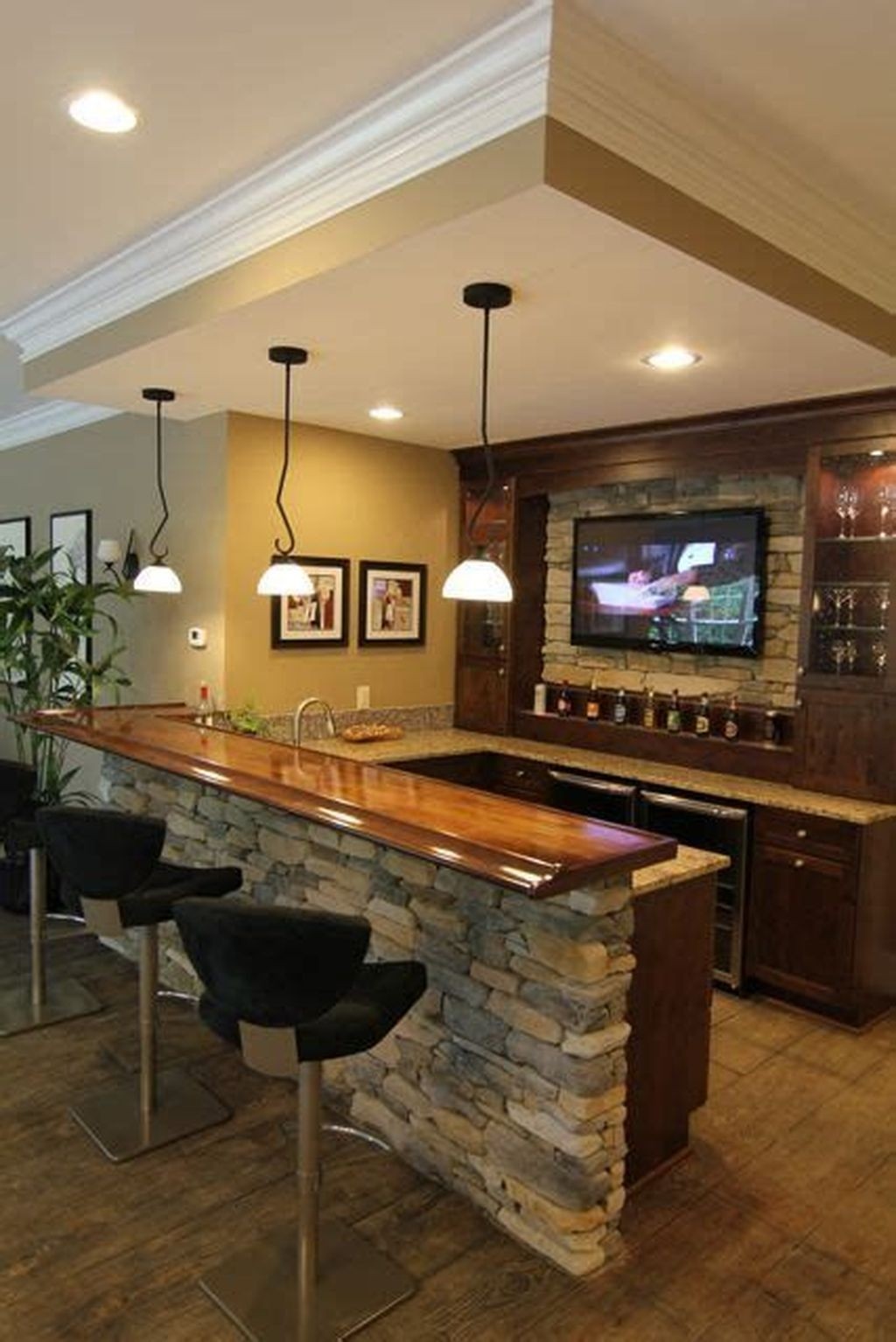
Navigating the Market: How to Find the Perfect Bar for Sale
Investing in a bar can be an exciting venture, but finding the perfect bar for sale requires careful navigation through a complex market. Whether you are a seasoned entrepreneur or a first-time buyer, understanding the dynamics of the bar industry, market trends, and essential considerations will set you on the path to success. This guide explores the key steps to take when searching for the ideal bar, providing insights and strategies to help you make an informed decision.
Understanding the Bar Market
The bar industry, a vibrant segment of the hospitality sector, has seen both challenges and opportunities, particularly in the wake of the COVID-19 pandemic. As bars adapt to changing consumer preferences and economic conditions, potential buyers must stay informed about current market trends.
- Market Trends: The rise of craft cocktails, local breweries, and unique experiences has shifted consumer expectations.
- Economic Factors: Economic recovery post-pandemic has led to increased consumer spending in dining and nightlife.
- Regulatory Considerations: Licensing requirements and health regulations can vary significantly by location.
According to IBISWorld, the bar and nightclub industry in the United States reached a market size of approximately $27 billion in 2023, indicating a robust recovery and growth potential. This data underscores the importance of thorough market research when considering a bar purchase.
Defining Your Goals and Budget
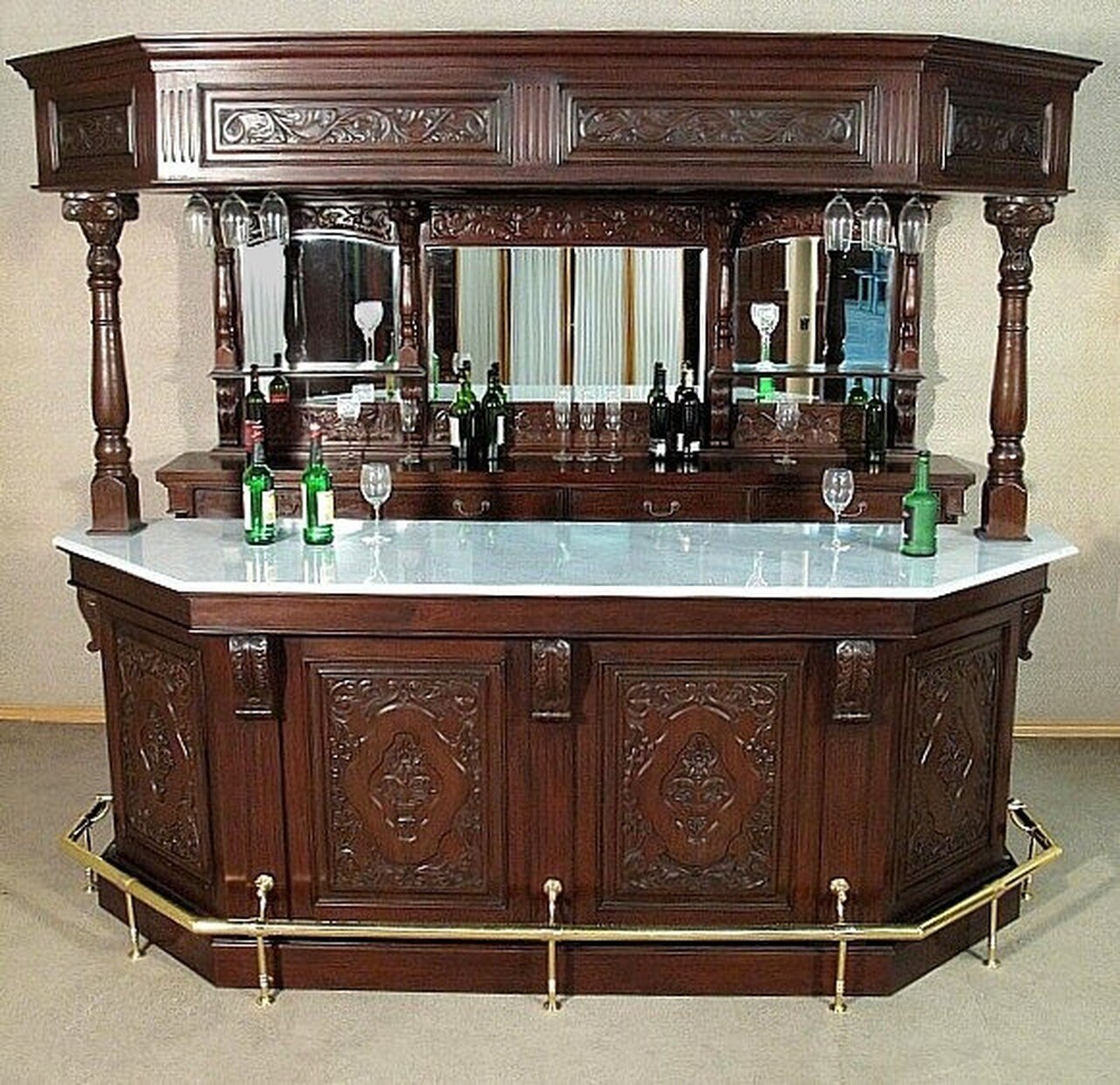
Before diving into the market, it’s essential to define your goals and establish a budget. This step will guide your search and help narrow down options.
- Identify Your Vision: What type of bar do you want to own? Consider the style (e.g., sports bar, cocktail lounge, dive bar) and target audience.
- Set a Budget: Determine how much you can afford, including purchase price, renovations, and operating costs. A common rule of thumb is to allocate 30% of your budget for the initial purchase and 70% for operational expenses.
- Consider Financing Options: Explore various financing options, including loans, investor partnerships, or personal savings.
For instance, if you envision a high-end cocktail bar, you might require a larger budget for renovations and premium ingredients compared to a casual pub setting. Understanding your financial limitations will help you make more strategic decisions.
Researching Locations
The location of your bar is paramount to its success. A well-chosen site can attract a steady stream of customers, while a poorly located bar may struggle to survive.
- Foot Traffic: Look for areas with high pedestrian traffic, especially in nightlife districts.
- Demographics: Analyze the local population’s demographics to ensure your bar concept aligns with the community’s preferences.
- Competition: Research nearby bars and restaurants to understand the competition and identify gaps in the market.
A case study from the National Restaurant Association revealed that bars in urban areas with a younger demographic tend to thrive due to the concentration of potential customers. Conversely, bars in rural areas may face challenges but can succeed by catering to niche markets.
Finding Available Bars for Sale

Once you have a clear understanding of your goals and location preferences, it’s time to start searching for available bars for sale. There are several effective methods to find potential opportunities.
- Real Estate Listings: Utilize online platforms such as BizBuySell and LoopNet, which specialize in business sales. These sites allow you to filter by location, price, and type of establishment.
- Networking: Connect with industry professionals, including restaurant brokers and bar owners. Networking events can also provide valuable insights and lead to off-market opportunities.
- Local Classifieds: Check local newspapers and community boards for listings of bars for sale.
For example, a successful bar owner in Austin, Texas, found their current establishment through a local real estate broker specializing in hospitality businesses. Building relationships within the industry can open doors to opportunities that are not publicly advertised.
Evaluating Potential Purchases

Once you identify potential bars for sale, thorough evaluation is crucial to ensure you make a wise investment. Here are key factors to consider:
- Financial Performance: Request financial records for the past three to five years, including profit and loss statements, tax returns, and cash flow statements. Look for trends in revenue and expenses.
- Lease Agreements: Review the lease terms for any existing locations. Ensure they are favorable and sustainable for your business model.
- Condition of the Property: Inspect the bar’s physical condition, including equipment, furnishings, and compliance with health and safety regulations.
- Brand Reputation: Research the bar’s reputation in the community and online. Customer reviews can provide insight into potential challenges you may face.
For instance, a buyer in New York City discovered that the bar they were interested in had a solid customer base but struggled with outdated equipment. By negotiating a lower price and budgeting for renovations, they turned the investment into a profitable venture.
Negotiating the Purchase
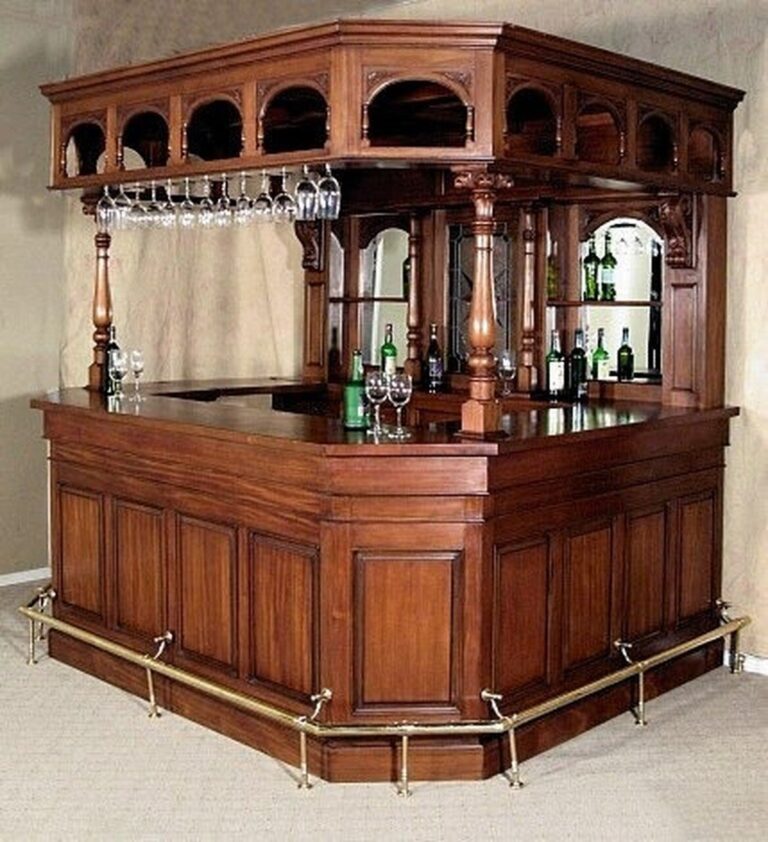
Once you’ve evaluated a bar and decided to proceed, the negotiation process begins. Effective negotiation can save you money and set the stage for a successful transition.
- Prepare Your Offer: Base your offer on the bar’s financial performance, market conditions, and your evaluation findings.
- Be Flexible: Be open to negotiation on price, terms, and conditions. Consider offering seller financing or earn-outs to make your offer more attractive.
- Consult Professionals: Work with a lawyer and an accountant experienced in business sales to ensure all agreements are in your best interest.
A successful negotiation example is that of a bar in San Francisco where the buyer offered a lower price but included a clause for the seller to remain involved in transitional periods, which benefited both parties.
Finalizing the Deal and Transitioning Ownership

After successful negotiations, the final steps include closing the deal and transitioning ownership. This phase is crucial for ensuring a smooth handover and maintaining the bar’s operations.
- Due Diligence: Complete all legal and financial due diligence. Confirm that all licenses and permits are transferable.
- Plan for Transition: Develop a transition plan to communicate changes to staff and customers effectively. Consider keeping the previous owner involved for a set period to ensure continuity.
- Implement Marketing Strategies: Launch a marketing campaign to promote the change in ownership and attract new customers.
For example, a buyer in Chicago implemented a “New Ownership Celebration” that included promotions and events, successfully attracting both old and new customers to the bar.
Navigating the market to find the perfect bar for sale involves a blend of research, strategic planning, and effective negotiation. By understanding market trends, defining your goals, evaluating locations, and assessing potential purchases, you can make informed decisions that align with your vision. Remember to leverage professional networks, thoroughly evaluate financial and operational aspects, and plan for a smooth transition to ensure your new venture’s success. Armed with the insights from this guide, you are now better equipped to embark on your journey toward owning a thriving bar.


