
How to Properly Train Your Dog to Love Their 42-Inch Crate
For many dog owners, the idea of a crate conjures images of punishment or confinement. However, a well-trained dog’s crate should be their personal sanctuary – a safe, comfortable haven where they can relax and feel secure. This is particularly true for owners of larger breeds, who often opt for a 42-inch crate. This generous space, when utilized correctly, can be a game-changer for both your dog’s well-being and your peace of mind. This article will guide you through the process of transforming that 42-inch crate into a beloved retreat for your furry companion, moving beyond mere acceptance to genuine affection.
Understanding the Canine Need for a Den
Before we delve into training techniques, it’s crucial to understand why dogs, inherently, are drawn to enclosed spaces. In the wild, canids seek out dens – burrows, caves, or hollow logs – for protection from predators, shelter from the elements, and a secure place to raise their young. This innate instinct for a den is hardwired into their DNA. A 42-inch crate, when presented correctly, taps into this primal need, offering your dog a sense of security and control over their environment. It’s not about imprisonment; it’s about providing a predictable and safe space, much like a den would be.
Choosing the Right 42-Inch Crate: Size and Features Matter
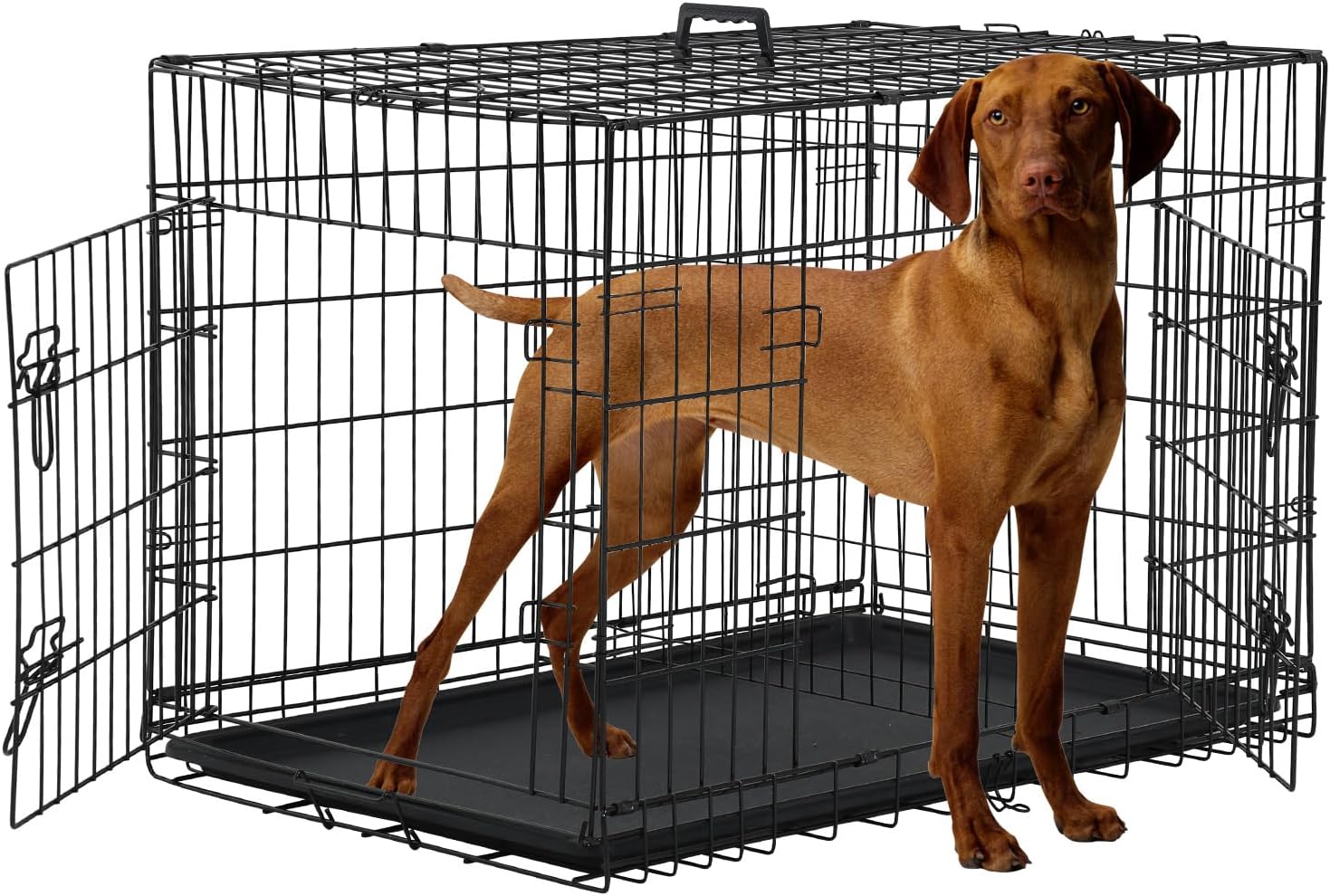
The first step to fostering a positive association with their crate is ensuring it’s the right fit. A 42-inch crate is generally suitable for medium to large breeds. The rule of thumb is that the crate should be long enough for your dog to stand up, turn around comfortably, and lie down fully stretched out. If the crate is too large, your dog might be tempted to use one end as a bathroom, which defeats the purpose of housetraining. Conversely, a crate that’s too small will be uncomfortable and feel restrictive. Consider:
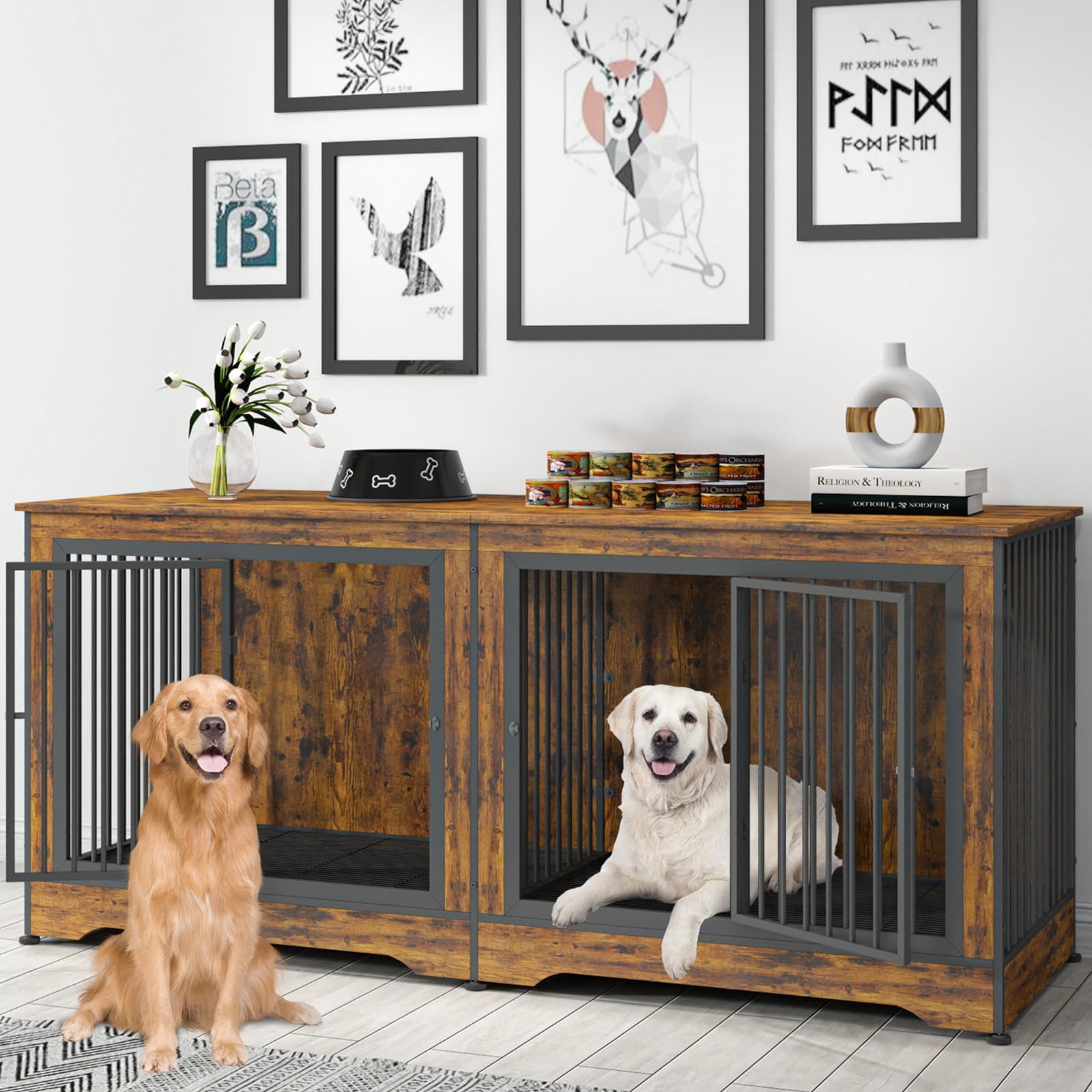
- Material: Wire crates offer excellent ventilation and visibility, while plastic crates can provide a more den-like feel and are often easier to clean. Some owners even opt for wooden crates for a more aesthetic integration into their home.
- Comfort: Ensure the crate is free of sharp edges or exposed wires.
- Dividers: Many 42-inch wire crates come with dividers. These are invaluable for puppies or growing dogs, allowing you to adjust the crate size as they mature, ensuring it remains the perfect fit throughout their development.
The Foundation of Positive Reinforcement: Making the Crate a Happy Place
The key to successful crate training is to associate the crate with positive experiences. This means avoiding any use of the crate for punishment. The crate should never be a place where your dog is sent when they misbehave. Instead, it should be a place they eagerly go to. Here’s how to build that positive association:
Phase 1: Introduction and Exploration

This phase is about letting your dog explore the crate at their own pace, without any pressure.
- Open Door Policy: Leave the crate door open during the day. Let your dog investigate it, sniff around, and enter and exit as they please.
- Enticing Treats: Toss high-value treats (small pieces of chicken, cheese, or their favorite training treats) into the crate. Initially, they might be hesitant to go all the way in. Celebrate any steps forward, even just putting their head inside.
- Comfort is Key: Make the inside of the crate incredibly inviting. Place a soft, comfortable bed or blanket inside. Some dogs prefer a snugly fitting bed, while others like a more spacious lounging area. Experiment to see what your dog likes best.
Phase 2: Encouraging Entry and Short Stays
Once your dog is comfortable entering the crate, you can start encouraging them to spend short periods inside.
- Mealtime Association: Feed your dog their meals inside the crate with the door open. This is a powerful way to create a positive association with the crate as a place of nourishment and comfort.
- “Go to Crate” Cue: Once they are readily going in for food, start adding a verbal cue like “crate” or “den” just before they enter.
- Short Duration Sessions: Once they are comfortable eating in the crate, close the door for a few seconds while they are still eating. Gradually increase the duration. Start with 30 seconds, then a minute, then two minutes, always ending the session *before* your dog shows signs of distress.
- Praise and Release: When you open the door, praise them calmly and let them exit. Don’t make a big fuss about their release, as this can create anxiety around being let out.
Building Up Duration: Gradual Exposure to Longer Stays
The next step is to slowly increase the amount of time your dog spends in the crate. Patience and consistency are paramount here.
Gradual Increments
The key is to make these increases subtle and manageable for your dog.
- Practice While You’re Home: Begin with short periods when you are in the house but not directly interacting with them. Leave them in for 5-10 minutes while you watch TV in another room, then gradually increase the time.
- “Out of Sight” Training: Once they are comfortable with you being in another room, start practicing short absences. Leave for just a minute or two, then return. Gradually increase the duration of your absences.
- Observe Body Language: Pay close attention to your dog’s signals. If they start to whine, bark, or become agitated, you’ve likely pushed them too far, too fast. Go back to shorter durations.
- Avoid Setbacks: If your dog has a bad experience (e.g., an accident in the crate, excessive distress), don’t force them back in immediately. Take a step back to an earlier, more comfortable stage of training.
Addressing Common Challenges and Troubleshooting
Even with the best intentions, some dogs may exhibit resistance or anxiety. Here are common issues and how to address them:
Barking and Whining

This is often a sign of boredom, anxiety, or a learned behavior to get attention.
- Ensure Exercise Needs are Met: A tired dog is a good dog. Make sure your dog is getting enough physical and mental stimulation *before* crate training sessions.
- Ignore Attention-Seeking Barks: If the barking is clearly for attention, and you’ve ruled out other needs, it’s crucial to ignore it. Any attention, even negative, can reinforce the behavior. Only reward quiet behavior.
- Provide Enrichment: A food-dispensing toy or a safe chew toy (like a Kong filled with peanut butter or kibble) can keep your dog occupied and mentally stimulated while in the crate.
Refusal to Enter
This can indicate a negative past experience or a fear of being confined.
- Reset and Re-Introduce: Go back to the very basic introduction phase. Make the crate incredibly enticing with irresistible treats and praise.
- Consider a Different Crate Type: If you’re using a wire crate, a plastic crate might feel more den-like and secure for a fearful dog.
- Professional Help: If the refusal is extreme or accompanied by signs of severe anxiety, consult a certified professional dog trainer or a veterinary behaviorist.
Accidents in the Crate
This usually points to the crate being too large, the dog not being fully housetrained, or being left for too long.
- Re-evaluate Crate Size: If your dog is soiling their crate, it’s likely too large. Use a divider to make it smaller.
- More Frequent Potty Breaks: Ensure your dog is taken outside for potty breaks immediately upon exiting the crate and regularly throughout the day.
- Never Punish Accidents: Punishment will only increase their anxiety and create a negative association with the crate and you.
Case Study: Daisy’s Transformation from Crate Avoider to Crate Lover
“Daisy, a boisterous Golden Retriever puppy, initially viewed her 42-inch crate as a personal prison. She’d bark incessantly whenever the door was closed, scratching at the bars and looking utterly miserable. Her owners, frustrated, almost gave up on crate training altogether. However, they decided to approach it differently. They started by removing the door completely and creating a ‘super den’ inside with her favorite blanket and a stuffed Kong. They’d toss treats in, only rewarding her when she voluntarily entered. They progressed to closing the door for mere seconds while she was distracted by the Kong, always opening it *before* she showed any signs of distress. Within a month, Daisy began to seek out her crate on her own for naps. By six months, she would happily retreat to her crate with her favorite toys for extended periods while her family was out, becoming a calm and contented member of the household.”
Statistics and Expert Opinions

The American Society for the Prevention of Cruelty to Animals (ASPCA) advocates for crate training as a valuable tool for housetraining and providing a safe den for dogs. They emphasize that a crate should never be used as a form of punishment. Studies have shown that dogs who are properly crate trained often exhibit fewer separation anxiety behaviors and are generally easier to manage in terms of housetraining. According to the Humane Society of the United States, “A crate can be a safe, happy place for your dog… Think of it as your dog’s personal den, a comfortable spot where they can rest undisturbed.”
Beyond the Basics: Integrating the Crate into Daily Life
Once your dog loves their 42-inch crate, it becomes an integral part of their life and your household routine.
- Napping Spot: It should be their go-to place for naps and quiet downtime.
- Travel Companion: The crate can be secured in your vehicle, providing a familiar and safe space for your dog during car rides.
- Safe Haven: During thunderstorms, fireworks, or when there are visitors, the crate can be their sanctuary to retreat to.
- Guest Management: For households with young children or frequent visitors, a trained dog who willingly retreats to their crate offers peace of mind for everyone.
The Crate as a Symbol of Love and Security
Transforming a 42-inch crate from a potential source of anxiety into a beloved sanctuary requires patience, consistency, and a deep understanding of your dog’s needs. By focusing on positive reinforcement, gradually increasing duration, and addressing challenges with empathy, you can foster a profound bond between your dog and their crate. This isn’t just about training; it’s about building trust and providing a secure space that enriches your dog’s life. A 42-inch crate, when utilized correctly, becomes more than just a piece of equipment; it becomes a testament to your commitment to your dog’s well-being, a symbol of love, security, and a happy home.


