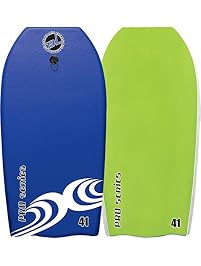
How to Choose the Perfect Bodyboard for Your Skill Level
The allure of the ocean, the thrill of catching a wave, and the sheer joy of gliding across the water – these are the promises that bodyboarding holds. But for newcomers and even intermediate riders, navigating the world of bodyboards can feel as daunting as a giant set. With a bewildering array of shapes, sizes, and materials, how do you find the board that will propel your progression and maximize your fun?
This article is your compass. We’ll delve into the intricacies of bodyboard selection, breaking down the key factors that influence your choice, and guiding you towards the perfect board for your current skill level. Whether you’re a complete beginner eager to taste your first wave or an experienced rider looking to unlock new maneuvers, understanding these principles will be your ticket to a more rewarding bodyboarding experience.
The Foundation of Fun: Understanding Bodyboard Components
Before we dive into skill-level specific recommendations, it’s crucial to grasp the fundamental parts of a bodyboard and how they impact performance. Think of these as the building blocks that determine how a board will feel and behave in the water.
The Core: The Heartbeat of Your Board
The core is the internal structure of the bodyboard, providing its buoyancy and rigidity. Different core materials offer distinct flex characteristics, influencing how the board reacts to your weight and the wave’s energy.
- Polyethylene (PE): This is the most common and traditional core material. It’s soft, flexible, and offers excellent buoyancy, making it ideal for smaller to medium-sized waves and beginner riders. PE cores tend to absorb impact well, providing a comfortable ride.
- Polypropylene (PP): PP cores are firmer and stiffer than PE. This increased rigidity translates to better hold in more powerful waves and a more responsive feel for advanced maneuvers. They are also generally lighter and more durable.
- Extruded Polystyrene (XPE): A hybrid option, XPE offers a balance of flexibility and stiffness. It’s often found in intermediate boards, providing a good compromise between comfort and performance.
For beginners, the forgiving nature of a PE core is highly recommended. As you progress and encounter larger or more challenging waves, a PP or XPE core will offer the responsiveness needed to execute more dynamic turns and aerials.
The Deck: Your Contact Point
The deck is the surface you lie on. It’s designed for grip and comfort, with various textures and padding options.
- Bumps/Channels: Many decks feature textured bumps or channels. These aren’t just for aesthetics; they help channel water and provide traction, preventing slippage, especially when wet.
- Contour: Some decks have subtle contours to better fit the rider’s body, enhancing comfort and control.
The Slick: The Bottom of Your Board
The slick is the smooth bottom surface of the bodyboard, designed to minimize drag and allow the board to glide efficiently over the water. Different slick materials offer varying degrees of glide and durability.
- Surlyn: This is the premium slick material, known for its excellent durability, stiffness, and superior glide. It’s commonly found on high-performance boards for experienced riders.
- HDPE (High-Density Polyethylene): A more economical and flexible option, HDPE is less durable than Surlyn but still provides good glide. It’s a common choice for beginner and intermediate boards.
Rails: The Edge of Control
The rails are the edges of the bodyboard. Their shape and angle significantly influence how the board turns and grips the water.
- 70/30 Rails: These rails have a more rounded, softer edge. They are forgiving and good for beginners as they prevent the board from digging into the water unexpectedly during turns.
- 50/50 Rails: These rails are more squared off. They offer better grip and control in turns, making them suitable for intermediate to advanced riders who want to carve more aggressively.
Matching Your Ride to Your Skill Level
The most crucial factor in choosing a bodyboard is aligning it with your current abilities. A board that’s too advanced can hinder your progress, while one that’s too basic might limit your potential.
The Aspiring Wave-Catcher: Choosing for Beginners

If you’re just starting your bodyboarding journey, your primary goals are stability, ease of paddling, and the ability to catch even the smallest whitewater. You’ll want a board that’s forgiving and helps you build confidence.
Key Characteristics for Beginners:
- Size: Aim for a longer and wider board. This offers greater stability and buoyancy, making it easier to paddle and stay on. A general rule of thumb is to choose a board that comes up to between your chin and nose when standing it on its end.
- Core: A soft Polyethylene (PE) core is ideal. It provides a comfortable ride and is very forgiving in smaller waves.
- Slick: HDPE is perfectly adequate for beginners. It offers good glide without the premium cost of Surlyn.
- Rails: 70/30 rails are recommended. Their rounded nature makes them less likely to catch an edge, leading to smoother, less abrupt turns and fewer wipeouts.
- Flex: A more flexible board will be more forgiving and easier to maneuver in whitewater.
- Features: Look for a board with a leash plug and consider a wrist leash for safety. Some beginner boards may also come with built-in handles, which can be helpful for getting started.
Example: A beginner might opt for a 42-inch bodyboard with a PE core, HDPE slick, and 70/30 rails. This combination prioritizes stability and ease of use, allowing them to focus on learning the fundamentals of paddling and riding waves.
The Progression Seeker: Choosing for Intermediate Riders

As you gain experience, you’ll start to want more control, better wave hold, and the ability to execute more dynamic turns. You’ll be moving beyond the whitewater and into unbroken waves.
Key Characteristics for Intermediate Riders:
- Size: You can start to consider slightly shorter and narrower boards if you’re comfortable with paddling. However, maintaining a good length for your height is still important. Experimenting with different lengths within the beginner range or slightly shorter is common.
- Core: A Polypropylene (PP) core or an Extruded Polystyrene (XPE) core becomes a good option. These offer more responsiveness and better wave hold than PE.
- Slick: Surlyn can be considered, especially if you’re riding more powerful waves. HDPE is still a viable option for those on a budget or who prefer a slightly more flexible feel.
- Rails: Transitioning to 50/50 rails can enhance your turning ability. The sharper edge provides more grip for carving.
- Flex: A board with a bit less flex will offer better drive and responsiveness in steeper sections of the wave.
- Features: Stringers (internal rods) can add stiffness and strength, improving performance. Consider a professional-grade leash.
Case Study: Sarah, a keen intermediate bodyboarder, found her old PE board limiting her ability to turn effectively. She upgraded to a 40-inch board with a PP core, Surlyn slick, and 50/50 rails. She immediately noticed improved control during turns and the ability to hold a line on steeper waves, boosting her confidence and allowing her to attempt more advanced maneuvers.
The Performance Enthusiast: Choosing for Advanced Riders
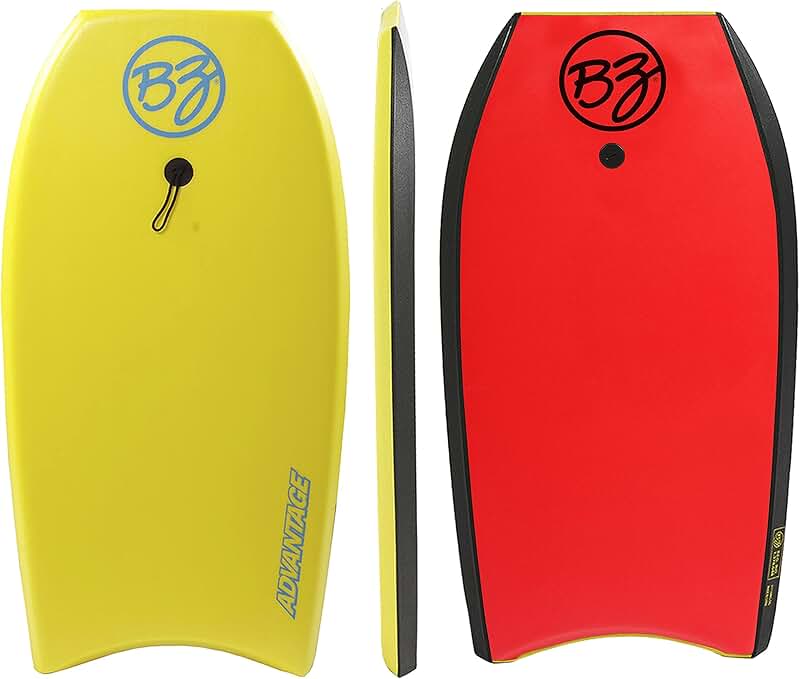
At this stage, you’re looking for a board that maximizes performance, allowing for aggressive maneuvers, aerials, and precise control in a variety of wave conditions.
Key Characteristics for Advanced Riders:
- Size: Shorter and narrower boards are often preferred for quicker responsiveness and easier maneuverability for aerials. Your size and wave preference will dictate the exact dimensions.
- Core: Polypropylene (PP) cores are standard, offering the stiffness and responsiveness needed for high-performance riding.
- Slick: Surlyn is the material of choice for advanced riders due to its superior glide, durability, and stiffness.
- Rails: 50/50 rails are essential for maximum grip and control during aggressive turns and cutbacks.
- Flex: A stiffer board with minimal flex is desired for maximum power transfer and responsiveness.
- Features: Boards at this level often feature multiple stringers for added rigidity, crescent tails for better propulsion and control, and advanced concaves on the slick for improved hydrodynamics.
Statistics: Studies on hydrodynamic efficiency in bodyboarding have shown that board shape and slick material significantly impact wave speed. Advanced riders, by optimizing these factors, can achieve higher speeds and execute more complex maneuvers, as evidenced by the increased aerial success rates in professional competitions.
Beyond Skill Level: Other Important Considerations
While skill level is paramount, several other factors will influence your final decision.
Your Weight and Height
These are critical in determining the appropriate board length and volume. Heavier or taller riders will generally need larger boards for adequate buoyancy and stability.
- Length: As mentioned, a good starting point is a board that reaches between your chin and nose.
- Width: Wider boards offer more stability.
- Thickness: Thicker boards offer more buoyancy, which can be beneficial for heavier riders or in smaller waves.
The Type of Waves You’ll Be Riding
Are you primarily surfing beach breaks with mushy waves, or are you venturing out to reef breaks with more powerful, hollow conditions?
- Small, Mushy Waves: A longer, more buoyant board with a PE core will excel.
- Larger, More Powerful Waves: A shorter, stiffer board with a PP core and Surlyn slick will provide better control and hold.
Budget

Bodyboards range in price from budget-friendly beginner models to high-end performance boards. Set a realistic budget and try to find the best board within that range that suits your skill level.
Example: A beginner might find excellent options for under $150, while a professional-grade board can easily cost $300-$500 or more.
Your Personal Preferences
Ultimately, the best bodyboard for you is one that you feel comfortable and confident on. Don’t be afraid to try out different boards if possible, or at least do thorough research and read reviews from other riders.
Tips for Making Your Final Decision
Once you’ve considered all the factors, here are some final tips to help you make an informed choice:
- Read Reviews: Online reviews from other bodyboarders can provide valuable insights into a board’s performance and durability.
- Watch Videos: Look for videos of riders using the boards you’re considering to get a visual understanding of how they perform.
- Visit a Local Surf Shop: If possible, visit a reputable surf shop. The staff can offer expert advice and let you feel the boards in person.
- Don’t Be Afraid to Upgrade: As you progress, you’ll likely need to upgrade your board. Don’t invest in a high-end board before you’re ready, but also don’t let a beginner board hold you back.
Your Perfect Wave Awaits
Choosing the perfect bodyboard is a journey, not a destination. By understanding the fundamental components of a bodyboard and carefully considering your skill level, weight, the waves you’ll be riding, and your budget, you can confidently select a board that will enhance your enjoyment and accelerate your progression. Remember, the most important factor is to get out there and have fun! The right board will be your loyal companion as you chase those perfect waves and create lasting memories on the water.


