
How a Wood Dance Floor Enhances Your Dance Experience
Dancing is an art form that transcends culture and time, allowing individuals to express themselves through movement. The environment in which one dances can significantly affect the overall experience, and one critical element of this environment is the dance floor. Among various flooring options, wood dance floors stand out as the preferred choice for both amateur and professional dancers. This article explores the numerous benefits of wood dance floors and how they enhance the dance experience.
The Importance of Flooring in Dance
When it comes to dance, the type of flooring used can impact several factors:
- Safety: Ensuring a non-slip surface is crucial for preventing injuries.
- Performance: The right floor can enhance movement and technique.
- Comfort: Dancers need to feel at ease to perform their best.
- Aesthetics: A beautiful floor can elevate the ambiance of any dance space.
Among these considerations, wood dance floors provide a unique combination of benefits that significantly enhance the dance experience.
1. The Performance Benefits of Wood Dance Floors
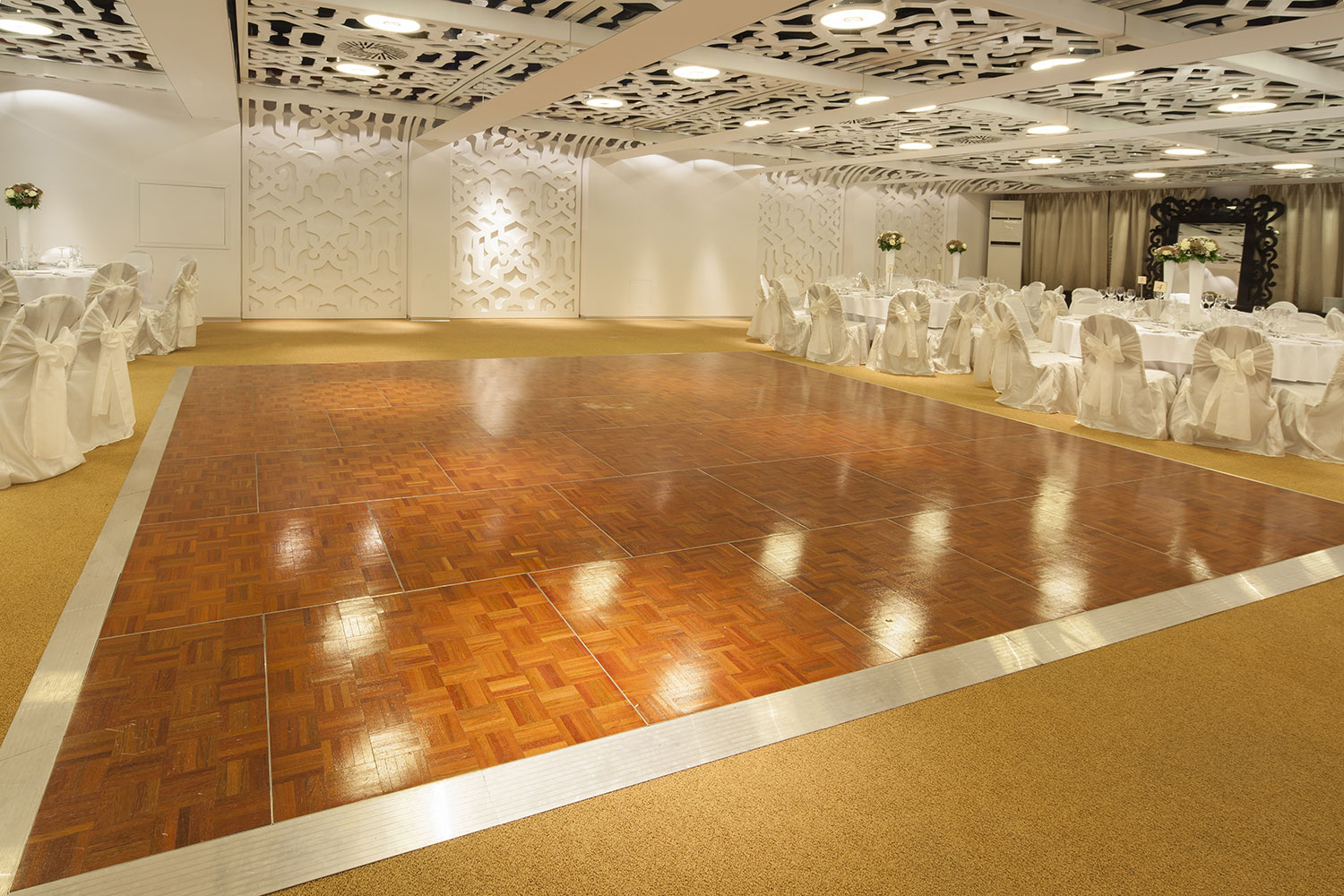
One of the primary advantages of wood dance floors lies in their performance-enhancing qualities. Here’s how:
- Shock Absorption: Wood floors provide natural shock absorption, reducing the impact on dancers’ joints. This feature is particularly beneficial for styles that involve jumping or quick footwork, such as ballet or jazz.
- Springiness: A well-constructed wood floor offers a slight “give” that allows dancers to bounce back from their movements, enhancing agility and reducing fatigue.
- Traction: The surface of a wood floor provides just the right amount of grip. This allows dancers to pivot and turn without the risk of slipping, while still enabling smooth glides.
2. Health Benefits of Dancing on Wood Floors
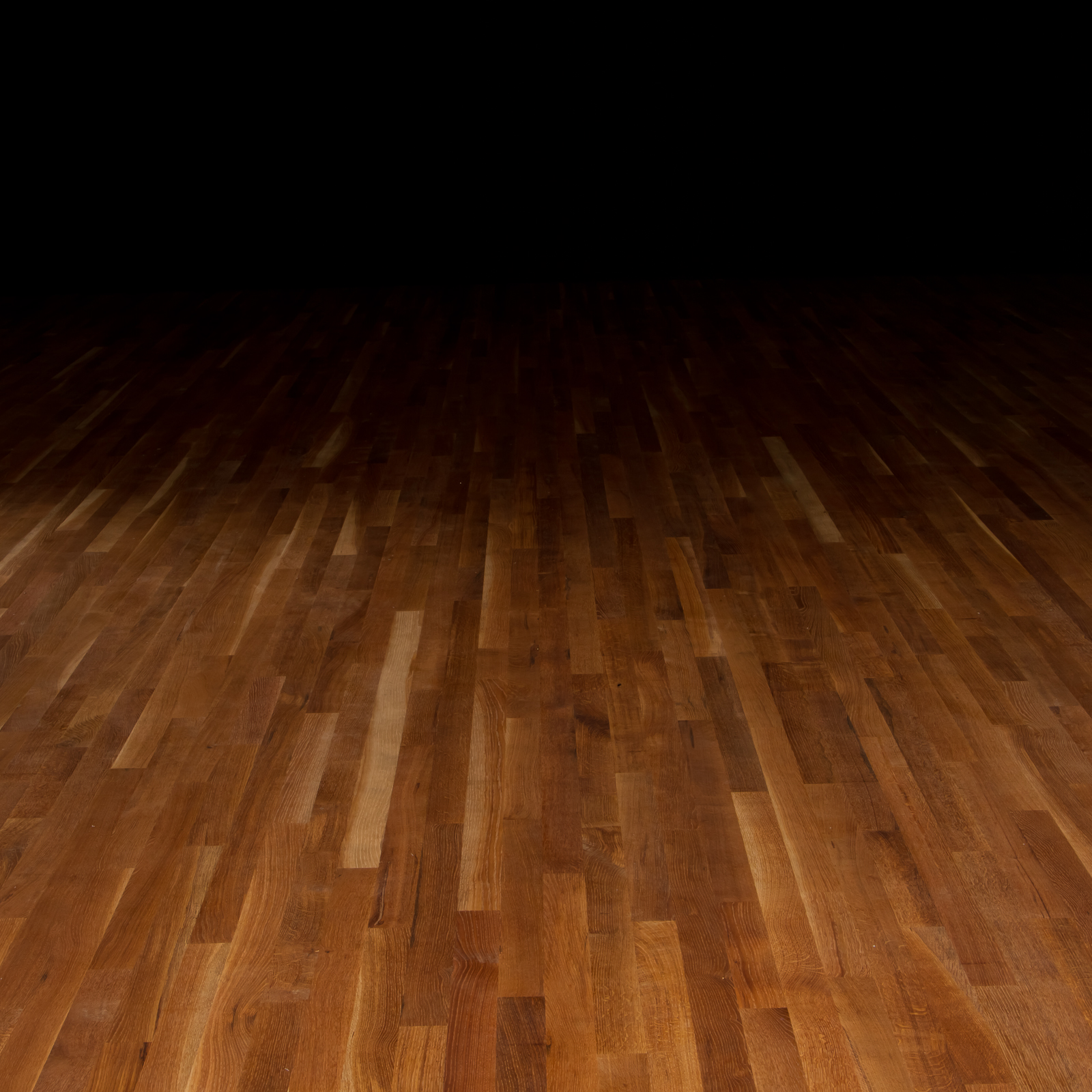
In addition to performance, the health benefits associated with dancing on wood floors are noteworthy:
- Reduced Injury Risk: The shock-absorbing qualities of wood help mitigate the risk of injuries related to high-impact dancing.
- Joint Health: Dancers who regularly practice on wood floors report fewer issues with knee and ankle pain compared to those dancing on harder surfaces.
- Improved Posture: The right floor encourages proper alignment and posture, which is essential for both performance and long-term health.
3. Aesthetic Appeal and Ambiance
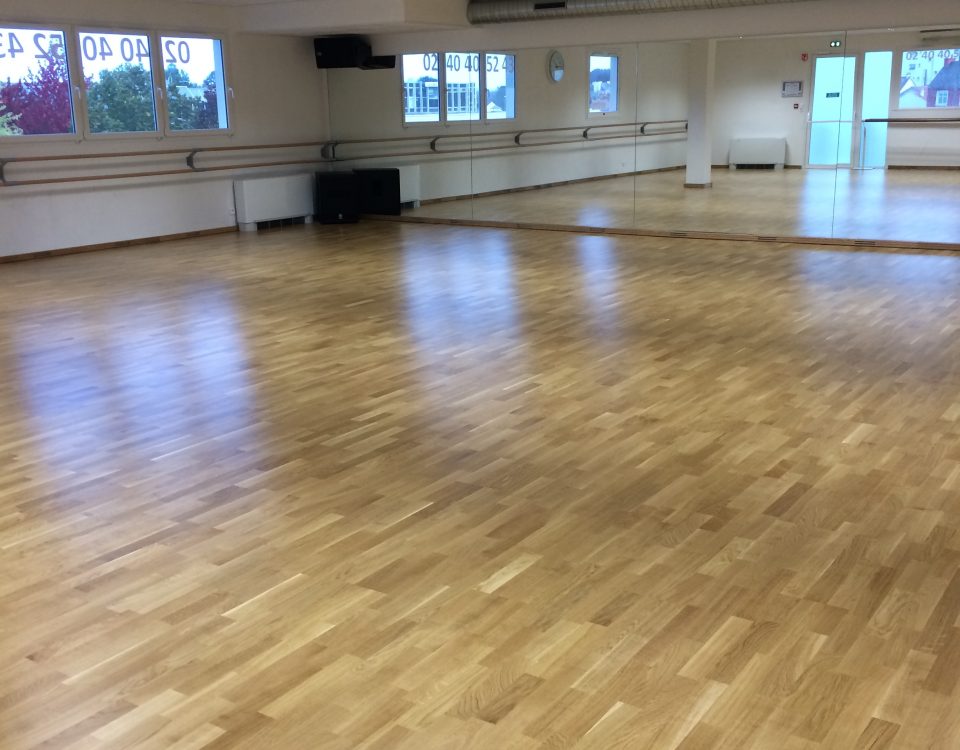
Wood floors are not only functional; they also contribute to the overall aesthetic appeal of a dance studio or venue:
- Natural Beauty: The rich textures and colors of wood create an inviting and warm atmosphere, making it a preferred choice for many dance spaces.
- Versatility: Wood floors can complement various design styles, from traditional to contemporary, making them suitable for a wide array of events.
- Enhanced Lighting: The reflective qualities of polished wood can enhance lighting effects, creating a stunning visual experience during performances.
4. Case Studies: The Impact of Wood Floors on Dance Studios

Several dance studios have reported transformative effects after switching to wood floors:
- Studio A: After installing a new wood floor, a local ballet studio noted a 30% decrease in injuries among its students within the first year. Dancers reported feeling more confident and agile in their movements.
- Studio B: A jazz dance studio upgraded its flooring from laminate to a professional wood surface. In their first performance on the new floor, dancers expressed a marked improvement in their ability to execute complex choreography, attributing this to the added support and traction.
5. Considerations When Choosing a Wood Dance Floor
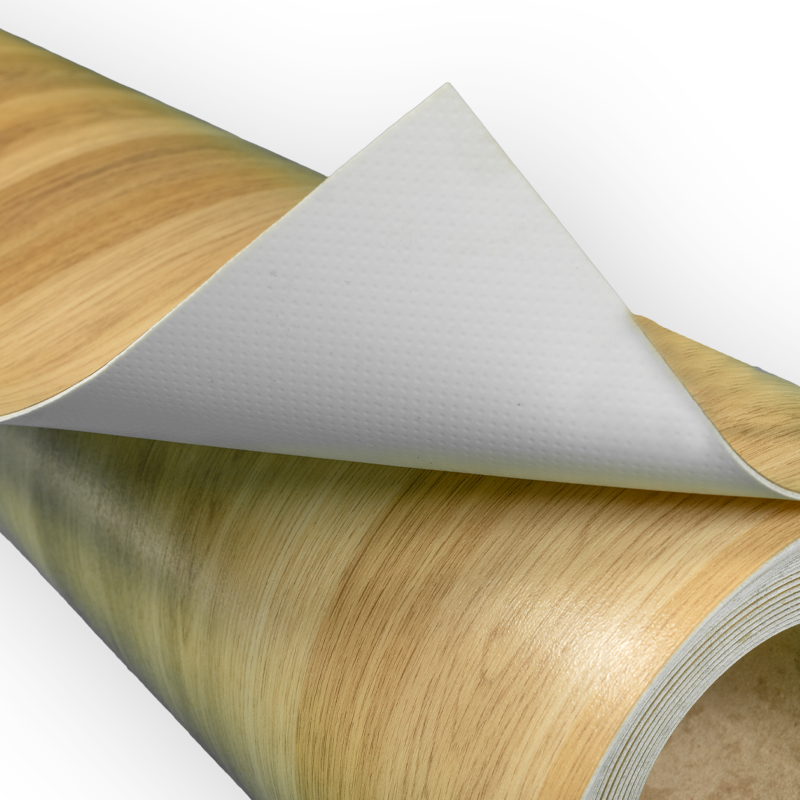
While wood dance floors offer numerous advantages, choosing the right one requires careful consideration:
- Type of Wood: Different woods have varying densities and characteristics. Hardwoods like maple and oak are often preferred for their durability and performance benefits.
- Installation Method: Some wood floors are designed to be floating (not directly attached to the subfloor), which can enhance shock absorption. Others may be nailed or glued down for added stability.
- Maintenance: Wood floors require regular maintenance, including cleaning and periodic refinishing, to keep them in optimal condition.
6. The Psychological Benefits of Wood Dance Floors
Beyond the physical advantages, dancing on a wood floor can also have psychological benefits:
- Increased Confidence: The enhanced performance and reduced risk of injury can lead to increased confidence among dancers, allowing them to push their boundaries.
- Emotional Connection: The aesthetic beauty of a wood floor can create a more immersive experience, helping dancers connect emotionally with their performance.
- Community and Collaboration: High-quality dance floors attract dancers and instructors, fostering a sense of community and collaboration within studios.
In conclusion, a wood dance floor is more than just a surface to dance on; it is an integral part of the dance experience that enhances performance, health, aesthetics, and even psychological well-being. The unique qualities of wood floors—such as shock absorption, springiness, and traction—contribute to a safer and more enjoyable dancing environment. Moreover, the beauty and versatility of wood floors elevate the ambiance of any dance space, making them a preferred choice for studios and performance venues alike.
As demonstrated through various case studies, the transition to wood flooring has not only improved the physical capabilities of dancers but also fostered a sense of community and emotional connection to the art form. When choosing a dance floor, investing in quality wood flooring is a decision that will yield significant benefits for dancers of all levels, ultimately enhancing the overall dance experience.


