
From Beats to Boomboxes: The Cultural Impact of Cassette Tape Players
In the pantheon of audio technology, few formats have etched their mark as deeply and vibrantly into the cultural landscape as the humble cassette tape. While its digital successors have undeniably surpassed it in fidelity and convenience, the compact cassette, and more importantly, the players that brought its music to life, represent a pivotal era of democratized sound, personal expression, and the genesis of new musical subcultures. From the clunky portability of early boomboxes to the intimate listening experience of a Walkman, the cassette tape player wasn’t just a device; it was a revolution in how we consumed, created, and shared music.
The Dawn of Accessible Audio: Birth of the Compact Cassette
The story of the cassette tape player begins not with a bang, but with a whisper from Philips. In 1963, the Dutch electronics giant introduced the Compact Cassette, a revolutionary magnetic tape format designed for portable and easy use. Prior to this, reel-to-reel tapes dominated the audio recording world, requiring bulky equipment and technical expertise. The cassette’s innovation lay in its enclosed plastic casing, which protected the delicate magnetic tape from dust and damage, making it inherently more user-friendly.
Initially marketed as a dictation tool and for recording speech, the cassette’s true potential as a music medium was soon realized. Early cassette recorders, while often of modest audio quality, laid the groundwork for a future where music could be recorded and played back in the comfort of one’s home, and eventually, on the go.
The Boombox Era: Music as a Public Statement
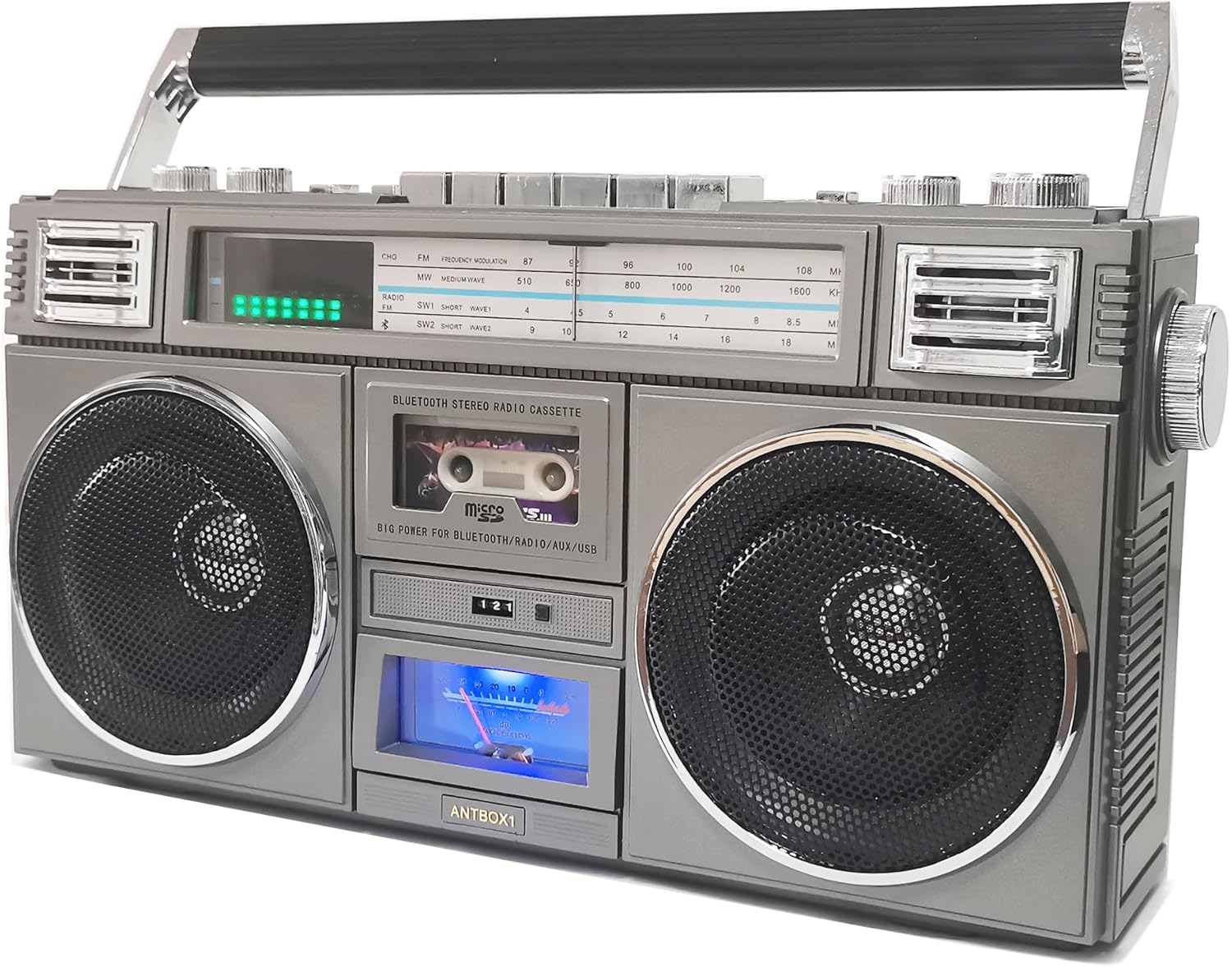
The 1970s and early 1980s witnessed the explosive rise of the boombox. These portable, often battery-powered cassette players, characterized by their substantial size and impressive loudspeakers, transformed music from a private affair to a public spectacle. Boomboxes became the mobile sound systems of urban youth, the soundtrack to street corners, park gatherings, and impromptu dance parties.
Key Cultural Impacts of the Boombox:

- Democratization of Music: For the first time, individuals could easily carry their favorite music with them, fostering a sense of ownership and personal curation.
- Birth of Hip-Hop Culture: The boombox was instrumental in the early development of hip-hop. DJs used them to blast beats for breakdancers, and the ability to record and share mixtapes fostered the growth of MCing and sampling.
- Urban Identity and Style: The visual aesthetic of the boombox, often adorned with chrome accents and multiple speakers, became an iconic symbol of urban youth culture and fashion.
- Social Gatherings: Boomboxes facilitated spontaneous social interactions, turning public spaces into impromptu concert venues and dance floors.
The sheer volume and bass-heavy output of many boomboxes made them impossible to ignore. They were statement pieces, broadcasting not just music, but the identity and spirit of the communities that embraced them. Iconic figures like LL Cool J were often pictured with their boomboxes, further solidifying their cultural significance.
The Walkman Revolution: Personalizing the Soundtrack of Life

If the boombox brought music into the public sphere, the Sony Walkman, introduced in 1979, brought it into the deeply personal. This compact, battery-powered portable cassette player revolutionized individual listening habits. Suddenly, the commute, a workout, or a quiet moment could be accompanied by a carefully curated soundtrack, chosen and compiled by the listener themselves.
The Walkman’s Transformative Influence:

- Intimate Listening Experience: Headphones allowed for a private and immersive audio experience, fostering a deeper connection with the music.
- Music Discovery and Curation: The ability to create mixtapes became an art form. Friends would exchange them, sharing musical tastes and building personal connections through shared playlists.
- Enhanced Mobility and Lifestyle: The Walkman empowered people to integrate music into every aspect of their lives, making exercise more enjoyable and travel more engaging.
- Symbol of Individuality: Owning a Walkman and a collection of mixtapes became a badge of individuality, reflecting personal tastes and preferences.
The Walkman wasn’t just about listening; it was about crafting one’s own sonic world. The ritual of creating a mixtape – carefully selecting tracks, recording them with minimal gaps, and painstakingly labeling the tape – was a deeply personal act of expression. These mixtapes were more than just collections of songs; they were love letters, expressions of friendship, and declarations of musical identity.
The Mixtape: A Cultural Currency
The cassette tape player’s greatest cultural legacy might be the mixtape. This do-it-yourself compilation of songs, recorded from radio or other tapes, became a potent form of communication and cultural exchange, particularly during the cassette era.
The Significance of Mixtapes:
- Personal Expression and Communication: Mixtapes were a way to communicate feelings, share new discoveries, and profess affection. A well-crafted mixtape was a thoughtful and personal gift.
- Subcultural Formation: In genres like punk and hip-hop, mixtapes were crucial for spreading underground music and fostering nascent scenes. Independent artists and labels relied heavily on cassette distribution.
- Economic Engine for Independent Music: Bands and artists would sell homemade cassettes at gigs and through mail order, providing a vital revenue stream and a direct connection to their fanbase.
- Early Form of Playlist Curation: Long before digital streaming services, the mixtape was the original personalized playlist, reflecting the curator’s mood, experiences, and musical knowledge.
The economics of the music industry were also significantly impacted. For independent artists and labels, cassette tapes offered a low-cost and accessible way to distribute their music. This grassroots approach fostered a vibrant and diverse underground music scene that might not have been possible with the higher production costs of vinyl. A 1985 report by the RIAA indicated that cassette tape sales were rapidly closing in on, and in some cases surpassing, vinyl sales, highlighting their growing dominance.
The Cassette Tape Player in Academia and Beyond
Beyond popular music, cassette tape players found crucial applications in educational and research settings. Language learning courses often came on cassette tapes, allowing students to practice pronunciation and comprehension at their own pace. Oral history projects and ethnographic research also relied on portable cassette recorders to capture interviews and field recordings, preserving invaluable historical accounts.
The portability and relative affordability of cassette recorders made them accessible tools for documenting a wide range of human experiences, from personal diaries to scientific observations. This accessibility contributed to a broader democratization of recording technology.
The Decline and Nostalgic Resurgence

The advent of the compact disc (CD) in the late 1980s and early 1990s, with its superior sound quality and durability, began the decline of the cassette tape. Digital audio formats and eventually streaming services further cemented the cassette’s obsolescence for mainstream consumption. However, the story doesn’t end there.
In recent years, there has been a noticeable resurgence of interest in cassette tapes, often referred to as “cassette revival.” This trend is driven by a combination of factors:
- Nostalgia: For many, cassettes evoke fond memories of their youth and the music they grew up with.
- Tangibility and Collectibility: In an increasingly digital world, the physical artifact of a cassette tape offers a tangible connection to music. Limited edition cassette releases have become sought after by collectors.
- Authenticity and Lo-Fi Aesthetics: The inherent sonic imperfections of cassette tapes are embraced by some artists and listeners for their raw, lo-fi character.
- Artist-Fan Connection: Many independent artists continue to release music on cassette, seeing it as a way to offer a more intimate and affordable product to their fans.
This revival is not about replacing digital music, but rather about appreciating the unique charm and cultural significance of the cassette format. Record labels specializing in cassette releases have emerged, and independent artists are once again finding value in this analog medium.
The journey from the initial innovation of the compact cassette to the ubiquitous presence of boomboxes and the personal revolution of the Walkman is a testament to the profound cultural impact of cassette tape players. They were more than just playback devices; they were catalysts for subcultures, tools for personal expression, and democratizers of music consumption. The ability to record, rewind, and create personalized mixtapes empowered individuals and fostered a sense of ownership over their sonic landscapes. While the fidelity of digital audio has undoubtedly advanced, the tangible nature, the DIY spirit, and the sheer cultural weight of the cassette tape player continue to resonate, proving that some beats, once heard, are never truly forgotten.


