
Crafting Serenity: The Techniques Behind Blue Glass Artistry
In the world of art and creativity, few mediums evoke a sense of tranquility and calm as effectively as blue glass. The rich hues of blue, reminiscent of deep oceans and clear skies, have long inspired artisans and collectors alike. This article explores the intricate techniques behind blue glass artistry, the history of glass-making, and the unique qualities that make blue glass a cherished medium in both functional and decorative art.
The History of Glass Artistry
The art of glass-making dates back thousands of years, with origins traced to ancient Mesopotamia around 2000 BC. Over the centuries, glass-making techniques evolved, leading to the creation of stunning artworks that captivated audiences. The use of color in glass, particularly blue, has a rich history:
- Ancient Egypt: Blue glass was often associated with the divine and was used to create amulets, jewelry, and decorative objects.
- Roman Empire: The Romans perfected glass-blowing techniques, allowing for more complex shapes and the introduction of colored glass, including vibrant shades of blue.
- Venetian Glass: During the Renaissance, Venice became a center for glass artistry, with artisans experimenting with various techniques to create intricate blue glass pieces.
These historical milestones laid the foundation for modern blue glass artistry, allowing contemporary artists to draw on centuries of tradition while exploring new techniques and styles.
The Science of Blue Glass

Creating blue glass involves both art and science. The base material, silica, is combined with various additives to achieve the desired color and properties. The primary ingredients in traditional glass-making include:
- Silica (SiO2): The main ingredient in glass, providing structure.
- Soda (Na2CO3): Lowers the melting point of silica, making it easier to work with.
- Lime (CaO): Stabilizes the glass and prevents it from dissolving in water.
- Colorants: Cobalt oxide is commonly used to produce blue hues in glass.
The addition of cobalt oxide during the melting process creates a stunning range of blue shades, from deep azure to soft sky blue. The concentration of the colorant and the melting temperature will influence the final hue of the glass.
Techniques in Blue Glass Artistry
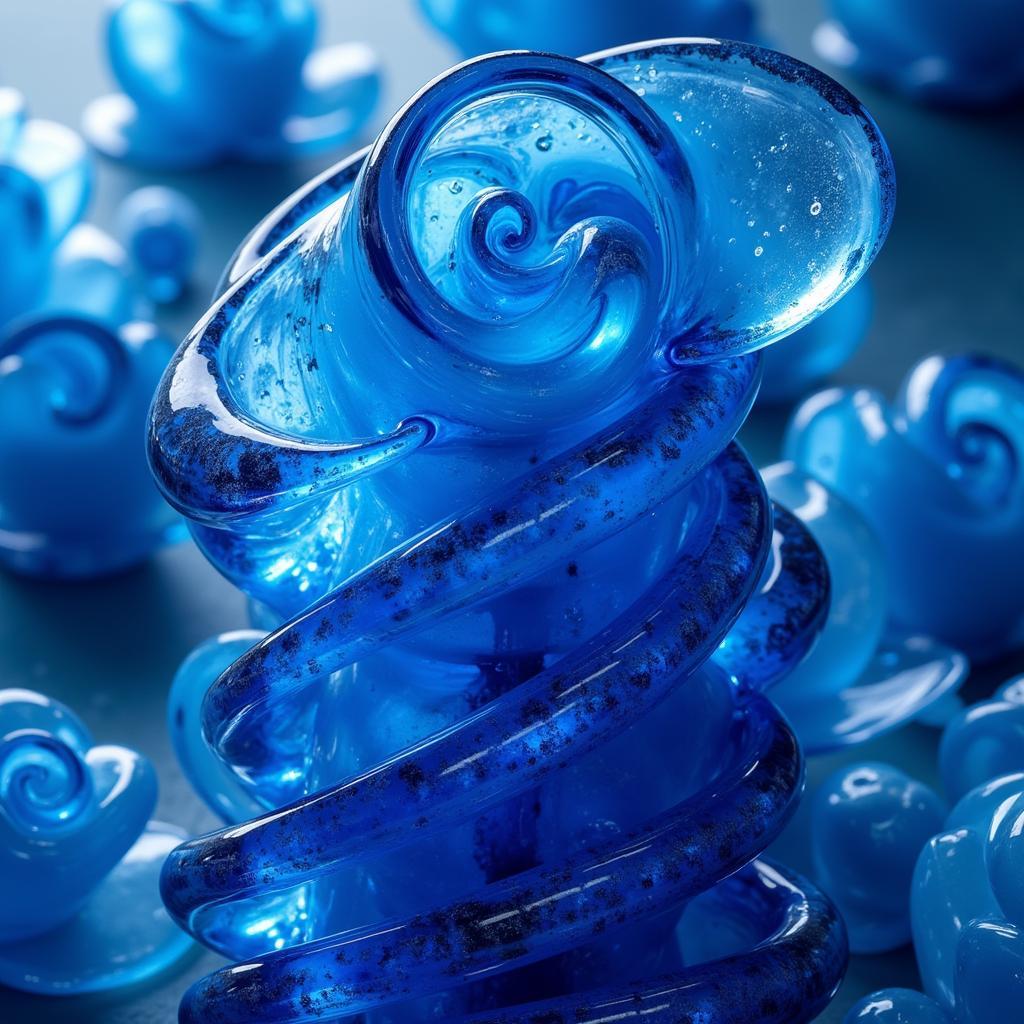
Artisans employ various techniques to manipulate blue glass into beautiful forms. Some of the most notable techniques include:
1. Glassblowing
Glassblowing is one of the most dynamic techniques in glass artistry. The process involves inflating molten glass into a bubble using a blowpipe. Key aspects include:
- Gathering: The artist gathers molten glass from a furnace.
- Blowing: By blowing air into the gathered glass, the artist creates a bubble, which can be shaped using tools.
- Shaping: Various tools are used to mold the glass into desired forms, whether functional or purely aesthetic.
Glassblowers can create stunning pieces, from delicate vases to intricate sculptures, all in beautiful shades of blue.
2. Fusing
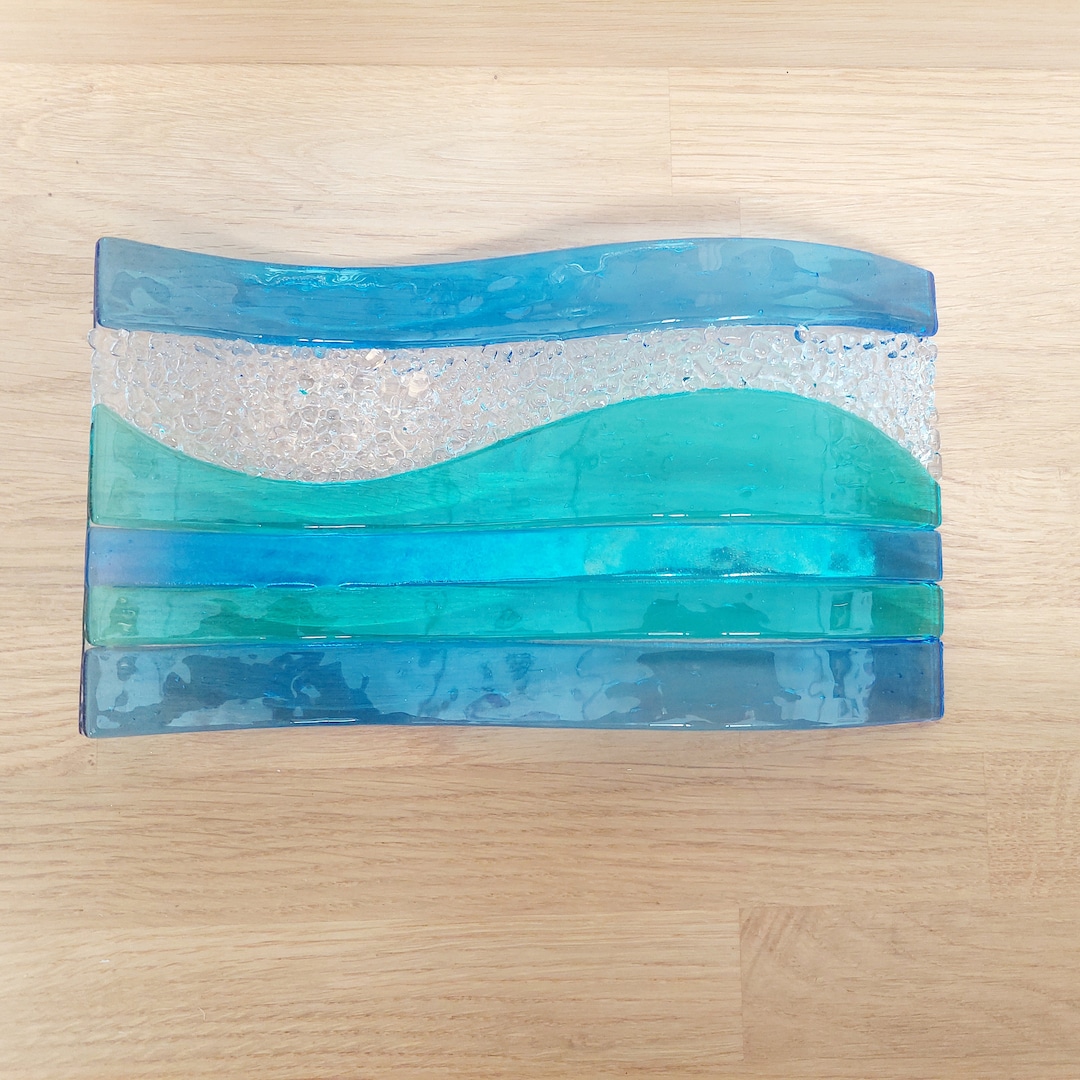
Fusing involves layering pieces of glass and heating them in a kiln until they melt together. This technique allows for creative patterns and textures. Key points include:
- Layering: Artists can layer different shades of blue to create depth and visual interest.
- Texturing: Different textures can be applied to the glass surfaces before fusing, adding dimension.
- Slumping: After fusing, glass can be placed over molds to create specific shapes.
This technique has led to the creation of stunning blue glass tiles, panels, and decorative objects.
3. Stained Glass

Stained glass is a traditional technique that involves cutting pieces of colored glass and joining them with lead came or copper foil. Important aspects include:
- Cutting: Glass is carefully cut to fit specific designs, often incorporating shades of blue.
- Joining: The pieces are assembled and soldered together, allowing for intricate designs.
- Painting and Firing: Additional details can be painted on the glass and fired to create a lasting image.
This technique is often used in architectural applications, such as windows in churches and public buildings, where blue glass adds a serene quality to the space.
Examples of Blue Glass Artistry
Numerous artists and studios specialize in blue glass artistry, each bringing their unique approach and vision. Here are a few notable examples:
- Chihuly Studio: Dale Chihuly is renowned for his large-scale glass sculptures, often featuring vibrant blues. His work can be seen in public installations around the world.
- Simon Pearce: This studio produces hand-blown glassware, including beautiful blue glass pieces that are both functional and artistic.
- Venetian Glass Masters: In Venice, artisans continue to produce stunning blue glass using traditional techniques, preserving the rich history of glass artistry.
The Impact of Blue Glass Artistry
Beyond aesthetics, blue glass artistry holds significant cultural and emotional value. The color blue is often associated with tranquility, peace, and inspiration. Research has shown that exposure to blue hues can have a calming effect on the mind and body:
- Psychological Effects: Studies have found that blue environments can reduce stress and promote feelings of calmness.
- Cultural Significance: Across cultures, blue is often linked to spirituality and protection, making blue glass objects meaningful gifts or heirlooms.
- Market Demand: The popularity of blue glass has led to a thriving market, with collectors eager to acquire unique pieces.
Crafting serenity through blue glass artistry is a multi-faceted process that combines ancient techniques with modern innovation. From the historical roots of glass-making to the scientific understanding of colors, artists today continue to create stunning pieces that resonate with viewers on both emotional and aesthetic levels. Techniques such as glassblowing, fusing, and stained glass allow for a diverse range of expressions, making blue glass a beloved medium for both functional and decorative art.
As we appreciate the beauty and serenity of blue glass, we also recognize its impact on our lives, from enhancing our environments to serving as cherished symbols of tradition and craftsmanship. Whether you are a collector, an artist, or simply an admirer, the world of blue glass offers a captivating journey into the art of serenity.


