
Color and Texture: The Versatility of Ceramic in Home Decor
Ceramics have long been an integral part of home decor, thanks to their aesthetic appeal and functional versatility. From sleek dinnerware to striking decorative pieces, the variety of colors and textures available in ceramics allows for endless creative possibilities. This article explores the multifaceted nature of ceramics in home decor, highlighting their role in enhancing interior design, offering practical benefits, and showcasing their rich history and cultural significance.
The Allure of Color in Ceramic Decor
Color is one of the most striking aspects of ceramic decor. The ability to incorporate diverse hues into home styling can dramatically alter the ambiance of a space. Here are some key points to consider:
- Color Psychology: Different colors evoke different emotions. For instance, blue is often associated with tranquility, while vibrant reds can energize a room. By choosing ceramics in specific colors, homeowners can create desired atmospheres.
- Seasonal Decor: Ceramics allow homeowners to easily adapt their decor to reflect seasonal themes. Rich oranges and browns for fall, cool blues and whites for winter, and bright pastels for spring can be achieved with ceramic pieces.
- Accent Colors: Ceramic items can serve as accent pieces that complement or contrast with the predominant colors in a room. A bright yellow vase can stand out against a muted backdrop, creating a focal point.
For example, the use of hand-painted ceramic tiles in kitchens and bathrooms not only adds functionality but also introduces unique colors and patterns that can enhance the overall design. The Spanish and Moroccan styles often use vibrant tiles to create stunning visual effects.
Texture: The Tactile Appeal of Ceramics
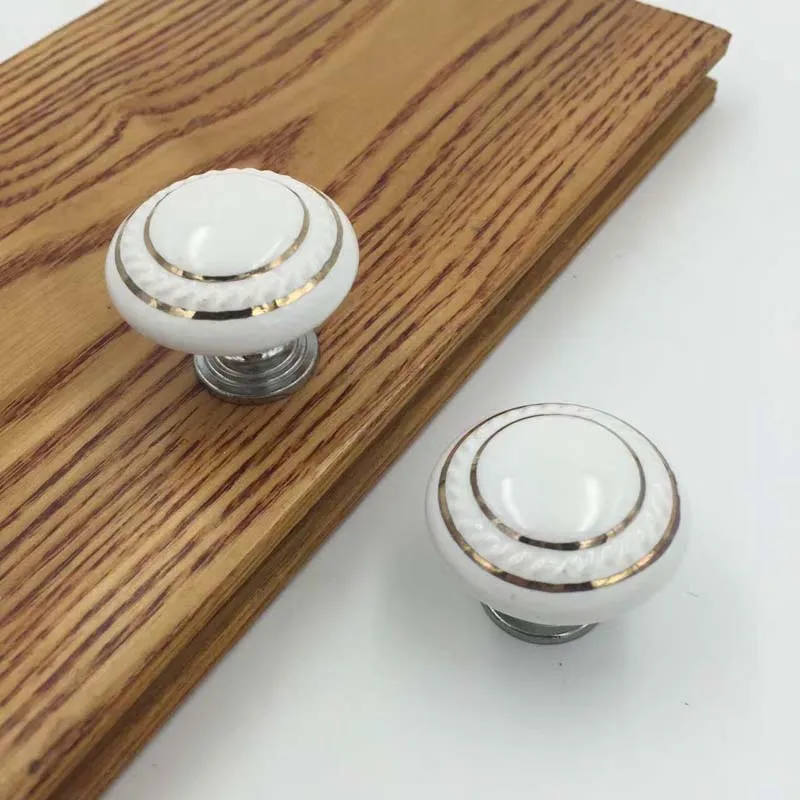
Texture is another fundamental aspect of ceramics that adds depth and interest to home decor. The tactile quality of ceramic pieces encourages interaction and can transform a space from flat to dynamic. Here are some texture-related benefits:
- Variety of Finishes: Ceramics can be glazed, matte, rough, or smooth, each finish offering a different visual appeal. The choice of texture can influence the overall aesthetic of a room.
- Layering Textures: Combining ceramic items with other materials such as wood, metal, or fabric can create a rich, layered look. This approach is particularly popular in modern and eclectic design schemes.
- Natural Feel: Many ceramics mimic natural elements, such as stone or wood, helping to create a harmonious and organic atmosphere in home decor.
Consider a rustic dining room featuring a handmade ceramic tableware set with an earthy finish. This not only serves a practical purpose but also contributes to the overall cozy and inviting atmosphere of the space.
Functional Versatility: Beyond Aesthetics
While the beauty of ceramics is undeniable, their functionality is equally impressive. Here are several ways that ceramics can be utilized in home decor:
- Tableware: Ceramic plates, bowls, and mugs are staples that bring both beauty and utility to dining experiences.
- Planters: Ceramic pots and planters can add a touch of elegance to indoor and outdoor gardening while providing necessary drainage and aeration for plants.
- Lighting Fixtures: Ceramic lamps and pendant lights can be both functional and decorative, adding character to any room.
- Wall Art: Ceramic tiles and sculptures can be used as stunning wall art, allowing for three-dimensional expression in decor.
According to the National Kitchen & Bath Association, 70% of homeowners consider functionality to be a top priority when selecting home decor items. The blend of beauty and practicality in ceramics makes them an ideal choice for modern living.
Case Studies: Successful Use of Ceramic in Interior Design
To illustrate the versatility of ceramics in home decor, let’s explore a few successful case studies:
1. The Revival of the Arts and Crafts Movement
The Arts and Crafts movement emphasized handcrafted items and the beauty of natural materials. This design philosophy is evident in many modern homes that incorporate ceramic elements. Interior designers often use handmade ceramics to evoke a sense of authenticity and craftsmanship.
2. The Rise of Biophilic Design

Biophilic design focuses on connecting indoor spaces with nature. Ceramics play a crucial role in this trend, with organic forms and earthy colors enhancing a home’s natural aesthetic. Designers use ceramic planters, wall art, and tableware to create serene, nature-inspired environments.
3. Contemporary Minimalism

In minimalist design, where “less is more,” ceramics can provide subtle elegance without overwhelming the space. Simple ceramic vessels in neutral tones can serve as understated decor while maintaining a clean and uncluttered look.
Cultural Significance of Ceramics in Home Decor

Ceramics have a rich historical and cultural significance that cannot be overlooked. They tell stories and represent the craftsmanship of different cultures. Here are a few notable examples:
- Japanese Pottery: Known for its simplicity and elegance, Japanese ceramics often feature subtle glazes and natural motifs, reflecting a deep respect for nature.
- Mexican Talavera: This colorful, hand-painted pottery is characterized by intricate patterns and vibrant colors, making it a popular choice for those wanting to add a lively touch to their decor.
- Chinese Porcelain: Renowned for its beauty and durability, Chinese porcelain has a long history and is often used in both traditional and contemporary settings.
Incorporating ceramics from different cultures into home decor not only enhances aesthetics but also adds layers of meaning and connection to global traditions.
Conclusion: Embracing the Versatility of Ceramics
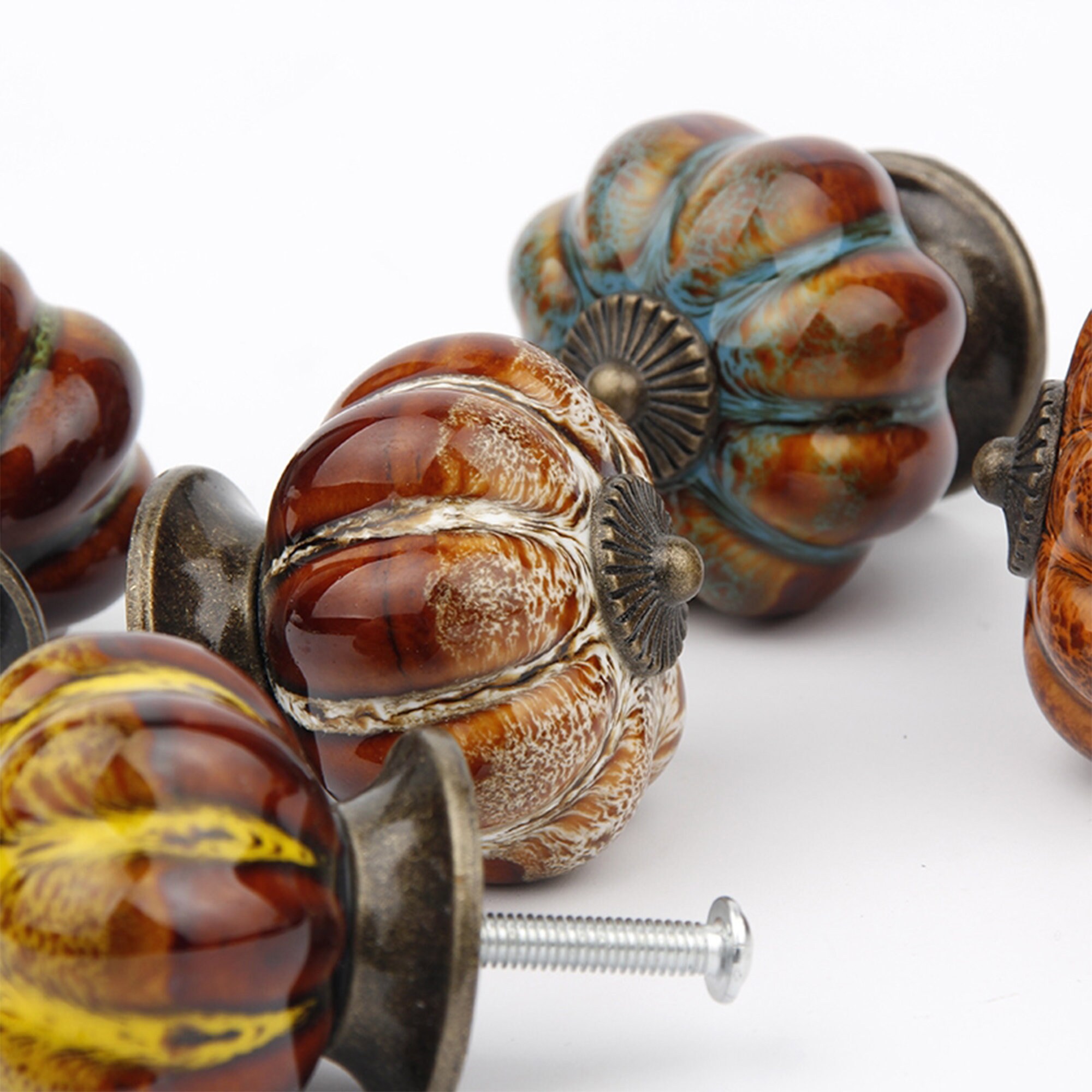
In conclusion, the versatility of ceramic in home decor is a testament to its enduring appeal. The interplay of color and texture allows homeowners to express their personal style while enhancing the functionality of their spaces. Whether through vibrant tableware, intricate wall art, or elegant planters, ceramics offer a plethora of options for every design preference.
As we have explored, ceramics are not just decorative items; they are functional pieces that bring character and warmth to our homes. Their rich cultural history and the potential for personalization make them a favored choice in contemporary interior design. Embracing the versatility of ceramics can lead to beautifully curated spaces that reflect individual tastes and lifestyles.


