The thrill of gliding across the ocean’s surface, feeling the power of the waves beneath you, and experiencing pure, unadulterated fun – that’s the essence of bodyboarding. While a good bodyboard is the undeniable star of the show, a few carefully chosen accessories can elevate your beach day from good to absolutely unforgettable. These aren’t just add-ons; they are crucial components that enhance your performance, safety, comfort, and overall enjoyment. This article delves into the best bodyboard accessories you absolutely need to make your next beach adventure a resounding success.
The Foundation of Fun: Understanding Your Bodyboard and its Needs
Before we dive into the accessories, it’s vital to understand your bodyboard itself. Bodyboards come in various sizes, materials, and constructions, each suited for different wave conditions and rider skill levels. A beginner might opt for a larger, softer foam board for stability, while an experienced rider might choose a smaller, stiffer board for greater maneuverability. The choice of bodyboard influences the accessories you’ll need. For instance, a larger board might require a more robust leash, and a high-performance board may benefit from specialized fins for better propulsion.
Essential Gear for Every Bodyboarder
These are the non-negotiable items that every bodyboarder should have in their kit. They address fundamental needs for safety, performance, and comfort.
The Indispensable Leash: Your Lifeline to the Board
The bodyboard leash is arguably the most critical accessory. It connects you to your board, preventing it from being swept away by currents or strong waves. Without one, a lost board could lead to a dangerous situation, especially in larger surf or busy lineups.
- Types of Leashes:
- Straight Leashes: The most common type, these are simple and effective. They come in various lengths to match your board size and riding style.
- Coiled Leashes: These leashes retract, keeping them out of your way when not under tension. They are popular for their tidiness but can sometimes get tangled.
- Choosing the Right Leash:
- Length: A good rule of thumb is to have a leash that is slightly longer than your bodyboard. This provides enough slack for you to maneuver comfortably without the leash becoming a hindrance.
- Strap Material: Look for comfortable, padded ankle or wrist straps. Neoprene is a popular choice for its soft feel and ability to prevent chafing.
- Swivels: Ensure the leash has swivels at both ends to prevent tangling.
Case Study: Imagine a scenario where a powerful wave slams a bodyboarder, separating them from their board. Without a leash, the board could drift hundreds of meters offshore, creating a dangerous situation for the rider who would then have to swim back against potentially strong currents. A sturdy leash ensures the board remains within reach, allowing for a quicker recovery and a safer experience.
Fins: The Engine of Your Ride
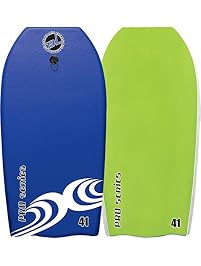
Bodyboard fins are your propulsion system. They allow you to paddle efficiently, catch waves with ease, and maintain control in the water. Without fins, bodyboarding would be significantly more challenging and less enjoyable.
- Benefits of Fins:
- Increased Paddling Speed: Fins dramatically enhance your ability to paddle into waves, meaning you catch more waves and spend less time waiting.
- Improved Wave Catching: The extra power from fins helps you get up to speed quickly to meet the wave’s energy.
- Better Control and Maneuverability: Fins aid in steering and maintaining balance, especially when riding down the line or performing maneuvers.
- Stability in Larger Waves: The added control can be invaluable when facing more powerful ocean conditions.
- Choosing the Right Fins:
- Blade Size and Stiffness: Larger, stiffer fins offer more power but can be tiring. Smaller, more flexible fins are easier on the legs but provide less propulsion.
- Foot Pocket Comfort: Ensure the foot pockets are comfortable and fit snugly without causing pressure points. Neoprene socks can be a good addition for comfort and to prevent chafing.
- Drainage Holes: Fins with drainage holes help water escape, reducing drag and making paddling more efficient.
Statistic: Studies have shown that the use of bodyboard fins can increase paddling efficiency by up to 30%, significantly impacting the number of waves a rider can catch in a single session.
Wetsuit: For Comfort and Extended Sessions
![[ 3 Sided Safe Fence ] Watermelon Lawn Water Slides with 2](https://m.media-amazon.com/images/I/91bPCQiwnVL._AC_SL1500_.jpg)
While not strictly necessary in tropical waters, a wetsuit is a game-changer for bodyboarders in cooler climates or for extending your time in the water. It provides thermal insulation, protecting you from the cold and allowing for longer, more enjoyable sessions.
- Wetsuit Thickness: Wetsuits come in various thicknesses (measured in millimeters). For most temperate waters, a 3/2mm (3mm on the torso, 2mm on the limbs) is a good all-rounder. Thicker suits (4/3mm, 5/4mm) are needed for colder conditions.
- Wetsuit Fit: A wetsuit should be snug but not constricting. It should feel like a second skin, with no major gaps where water can easily flush through.
- Types of Wetsuits: Full suits cover the entire body, while spring suits offer less coverage for warmer days.
Example: A bodyboarder venturing out on a cool, breezy morning in California might find themselves cutting their session short due to the cold. With a 3/2mm wetsuit, they can comfortably paddle and ride for hours, making the most of the available swell.
Enhancing Your Experience: Comfort, Safety, and Performance Boosters

Beyond the essentials, these accessories can significantly enhance your comfort, ensure your safety, and even boost your performance in the water.
Board Sock or Bag: Protecting Your Investment
Your bodyboard is an investment, and a board sock or bag will help keep it in good condition. A board sock, often made of neoprene or a fuzzy material, protects your board from minor dings, scratches, and UV damage while it’s on the roof of your car or in storage. A board bag offers more robust protection, especially for travel or when transporting your board in a crowded vehicle.
- Benefits of Board Socks/Bags:
- UV Protection: Prevents fading and degradation of the board’s materials from prolonged sun exposure.
- Physical Protection: Guards against minor dents, scratches, and scrapes.
- Keeps Your Car Clean: Prevents sand and wax from getting all over your vehicle.
- Easy Transport: Handles on board bags make carrying your board much easier.
Waterproof Phone Case: Capturing the Memories

Want to capture those epic rides or stunning beach scenery? A reliable waterproof phone case is your answer. These cases allow you to use your phone’s camera underwater, ensuring you don’t miss a moment of the action. Make sure to test it before your beach day to ensure a watertight seal.
- Features to Look For:
- Universal Fit: Many cases are designed to fit a wide range of smartphones.
- Clear Lens: For unobstructed photos and videos.
- Lanyard Attachment: To keep your phone secure around your neck.
- Waterproof Rating: Ensure it meets your needs for depth and duration.
Sunscreen and Rash Guard: Protecting Your Skin
The sun at the beach can be intense, and prolonged exposure can lead to painful sunburns and skin damage. Applying high SPF sunscreen regularly is crucial. Additionally, a rash guard offers a physical barrier against the sun’s rays and can prevent chafing from your wetsuit or board.
- Sunscreen Tips:
- High SPF: Opt for SPF 30 or higher.
- Water-Resistant: Essential for water activities.
- Reapply Frequently: Especially after swimming or sweating.
- Rash Guard Benefits:
- Sun Protection: Provides a layer of defense against harmful UV rays.
- Chafe Prevention: Smoothes the interface between your skin and other gear.
- Keeps You Warmer: Adds a thin layer of insulation in cooler water.
Towel and Dry Bag: Post-Surf Comfort and Security
A soft, absorbent towel is essential for drying off after your session. A dry bag is invaluable for keeping your wet gear separate from your dry belongings, ensuring your car, phone, and wallet stay protected from moisture.
- Towel Considerations:
- Absorbency: Microfiber towels dry quickly and are highly absorbent.
- Size: Large enough to wrap yourself in comfortably.
- Dry Bag Uses:
- Storing Wet Wetsuits: Prevents water from soaking other items.
- Protecting Electronics: Keep your phone, keys, and wallet safe from water.
- Carrying Snacks and Drinks: Keeping them sand-free and cool.
The Ultimate Bodyboarder’s Checklist
To summarize, here’s a quick checklist of the best bodyboard accessories for a fun and fulfilling beach day:
- Bodyboard Leash (appropriate length and type)
- Bodyboard Fins (comfortable fit and suitable for your skill level)
- Wetsuit (if needed for water temperature)
- Board Sock or Bag (for protection and transport)
- Waterproof Phone Case (to capture memories)
- High SPF Sunscreen (water-resistant)
- Rash Guard (for sun protection and comfort)
- Absorbent Towel
- Dry Bag (for wet gear and valuables)
The magic of bodyboarding lies in its accessibility and the pure joy it brings. By investing in the right accessories, you’re not just buying gear; you’re investing in a safer, more comfortable, and ultimately, a more enjoyable experience. From the essential leash that keeps you connected to your board to the fins that propel you into the wave’s embrace, each accessory plays a vital role. Don’t let a lack of preparation dampen your spirits. With the right tools in hand – a reliable leash, powerful fins, protective clothing, and practical extras – you’re ready to embrace the ocean’s call and create unforgettable memories on your next beach adventure.


