Windows are essential for natural light, ventilation, and enjoying the views outside. However, they can also be a significant source of unwanted air infiltration, noise, and even pest entry. This is where window vent covers come into play. Far from being mere aesthetic additions, properly chosen window vent covers can dramatically improve your home’s energy efficiency, comfort, and security. This article will delve into the nuances of selecting the right window vent covers, exploring the various types available, their benefits, considerations for selection, and practical advice for homeowners.
The Importance of Effective Window Vent Covers

Before we dive into the specifics of choosing covers, let’s understand why they are crucial. In many homes, especially older ones, windows are not perfectly sealed. This leads to:
- Air Leakage: Uncontrolled air movement can result in significant heat loss in winter and heat gain in summer, leading to higher energy bills. The U.S. Department of Energy estimates that air leaks can account for 25-30% of a home’s heating and cooling costs.
- Drafts and Discomfort: Cold drafts in winter and warm air currents in summer can make your living spaces uncomfortable, forcing you to rely more heavily on your HVAC system.
- Noise Pollution: Open vents or poorly sealed window frames can allow external noise to penetrate your home, disrupting peace and quiet.
- Pest Infestation: Gaps and openings can provide entry points for insects, rodents, and other unwanted guests.
- Dust and Debris: Fine particles of dust, pollen, and other airborne debris can enter your home, affecting indoor air quality and exacerbating allergies.
Window vent covers, when selected and installed correctly, act as a barrier against these issues, contributing to a healthier, more comfortable, and energy-efficient home environment.
Understanding Different Types of Window Vent Covers
The market offers a variety of window vent covers, each designed for specific purposes and window types. Understanding these distinctions is the first step towards making an informed decision.
1. Interior Insulating Covers (DIY and Commercial)
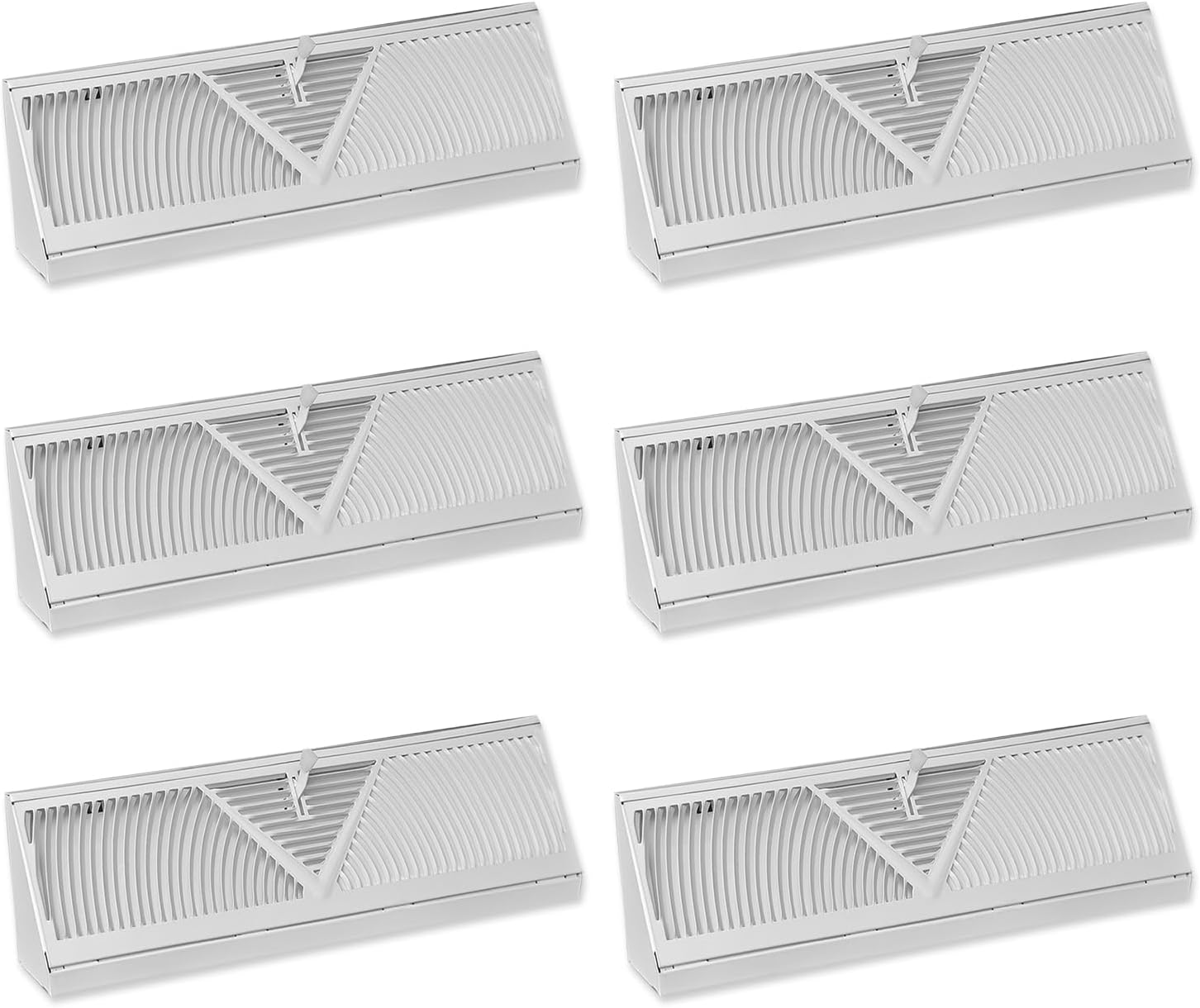
These covers are typically made from foam board, reflective insulation, or specialized fabrics. They are designed to be placed on the inside of the window frame, creating an insulating layer.
- DIY Foam Board Covers: A cost-effective option. Homeowners can cut rigid foam insulation boards to the exact size of their window openings. They are often secured with Velcro strips or tension rods.
- Fabric Insulating Covers: These are often made from multi-layered fabrics with insulating cores. They are usually custom-fitted and secured with Velcro, snaps, or ties.
Pros: Excellent insulation, reduces drafts, easy to install and remove, affordable (especially DIY).
Cons: Can obstruct views, may not be aesthetically pleasing to everyone, can be bulky.
Best for: Older homes with leaky windows, seasonal insulation needs (winterizing), renters who can’t make permanent alterations.
2. Exterior Storm Window Covers
These are essentially secondary windows installed on the outside of your primary windows. They create an air pocket between the two panes, significantly enhancing insulation.
- Permanent Storm Windows: These are typically made of glass or acrylic and are installed for long-term use.
- Removable Storm Windows: Often made of lightweight materials like acrylic or polycarbonate, these can be installed seasonally.
Pros: Superior insulation, noise reduction, protection against weather elements, can increase home resale value.
Cons: Higher upfront cost, can affect exterior aesthetics, requires professional installation for permanent versions.
Best for: Homes in harsh climates, those seeking long-term energy savings and comfort, homeowners looking to preserve historic windows.
3. Ventilation Covers with Insect Screens
These are specifically designed to cover ventilation openings (like those in bathroom or kitchen vents) while preventing insects and other pests from entering. They often have a fine mesh screen.
- Simple Mesh Covers: Basic covers with a mesh screen, often secured with screws or clips.
- Vent Covers with Louvers and Screens: These offer a more finished look, with adjustable louvers for directional airflow and an integrated screen.
Pros: Prevents pest entry, allows for necessary ventilation, relatively inexpensive.
Cons: May not offer significant insulation, can accumulate dust and debris.
Best for: Covering exhaust vents in kitchens, bathrooms, and laundry rooms.
4. Security Window Covers

While not strictly “vent covers” in the traditional sense, these are designed to cover windows for security purposes, often in vacant properties or during extended absences.
- Metal Shutters: Durable metal covers that can be rolled down or secured over windows.
- Reinforced Panels: Strong panels that can be bolted onto the exterior or interior of windows.
Pros: High security, deterrence against break-ins.
Cons: Obstruct natural light and views completely, can be expensive, may require professional installation.
Best for: Vacation homes, unoccupied properties, areas with high crime rates.
Key Considerations When Choosing Window Vent Covers

Selecting the right window vent covers involves a careful assessment of your home’s needs, your budget, and your aesthetic preferences. Here are the crucial factors to consider:
Climate and Location
Cold Climates: Prioritize insulating covers like interior foam boards or exterior storm windows to combat heat loss and drafts. Look for high R-values for maximum thermal resistance.
Hot Climates: While insulation is still beneficial, consider covers that also offer UV protection to reduce solar heat gain. Reflective materials can be particularly effective.
Noisy Environments: Opt for covers that offer good sound dampening qualities, such as thicker insulating materials or double-pane storm windows.
Energy Efficiency Goals

If your primary goal is to reduce energy bills, focus on covers with high R-values. For example, a standard single-pane window has an R-value of around R-1. Adding a well-sealed insulating cover can significantly boost this, potentially bringing it closer to R-3 or even R-5, leading to substantial savings. Research the R-value of different insulation materials to compare their effectiveness.
Budget
Window vent covers range from very affordable DIY solutions to significant investments in permanent storm windows. Determine how much you are willing to spend. DIY foam board covers can cost as little as $10-$20 per window, while custom fabric covers might range from $50-$150, and professional storm windows can cost several hundred dollars per window.
Aesthetics and Home Style
While functionality is key, you don’t want your home to look unappealing. Consider how the covers will look from both the interior and exterior. Some options, like interior insulating covers, are often hidden from view when not in use or are designed to be discreet. Exterior storm windows can enhance the architectural style of some homes.
Ease of Installation and Use

Are you comfortable with DIY projects? If so, foam board or Velcro-attached fabric covers might be ideal. If you prefer a professional solution or have limited DIY skills, consider investing in professionally installed storm windows or covers that are designed for simple, tool-free installation.
Window Type and Condition
The type of windows you have will influence your choices. For example, casement windows might require different mounting solutions than double-hung windows. The condition of your existing windows also matters. If your windows are in poor repair, investing in high-quality storm windows might be a more long-term solution than temporary covers.
Ventilation Needs
If you are covering actual ventilation openings (not just air leaks around window frames), ensure the covers allow for adequate airflow. For bathroom or kitchen vents, prioritize covers with integrated screens to prevent pest entry while still permitting ventilation.
Installation and Maintenance Tips
Once you’ve chosen your window vent covers, proper installation and regular maintenance are crucial for their effectiveness and longevity.
Installation Best Practices
- Measure Carefully: Accurate measurements are paramount for a snug fit. Double-check all dimensions before cutting or ordering.
- Seal Gaps: Even with covers, it’s wise to seal any obvious drafts around window frames using caulk or weatherstripping before installing covers.
- Secure Firmly: Ensure covers are securely attached to prevent them from falling or allowing air leakage around their edges. For DIY covers, use strong Velcro, tension rods, or appropriate fasteners.
- Follow Manufacturer Instructions: For commercial products, always adhere to the provided installation guidelines.
Maintenance Recommendations
- Regular Cleaning: Dust and debris can accumulate on covers, reducing their effectiveness. Clean them periodically according to the material’s recommendations.
- Inspect for Damage: Check for tears, holes, or loose attachments that could compromise their function.
- Seasonal Removal/Installation: For seasonal covers, ensure they are stored properly when not in use to prolong their lifespan.
Case Study: Improving Comfort and Energy Bills in a Historic Home
The Miller family in Boston, Massachusetts, owned a beautiful but drafty Victorian home built in the late 1800s. Their single-pane, original windows were a major source of heat loss and uncomfortable drafts during the harsh New England winters. They were hesitant to replace the historic windows due to their aesthetic value and the cost of modern replacements.
After researching their options, they decided to implement a two-pronged approach. For the main living areas, they invested in custom-fitted, interior insulating fabric window covers. These covers were made with a reflective layer and a thick insulating batting and were secured with heavy-duty Velcro around the window frames. The difference was immediate. The drafts disappeared, and the rooms felt significantly warmer, allowing them to reduce their thermostat setting by 3-4 degrees Fahrenheit and observe a 15% decrease in their heating bills that winter.
For less frequently used rooms and in areas with particularly severe drafts, they opted for DIY foam board covers, cut to fit snugly inside the window frames. These offered a more utilitarian look but provided excellent insulation at a fraction of the cost. The Millers were able to enjoy a much more comfortable and energy-efficient home without compromising the historic charm of their beloved property.
Investing in Your Home’s Well-being
Choosing the right window vent covers is not merely an aesthetic decision; it’s a strategic investment in your home’s comfort, energy efficiency, and overall well-being. By understanding the diverse options available, carefully considering your specific needs—from climate and budget to aesthetic preferences—and prioritizing proper installation and maintenance, you can transform your drafty, inefficient windows into assets that contribute to a healthier, more sustainable, and more enjoyable living space. Whether you opt for a simple DIY solution or a more comprehensive storm window installation, the benefits of effectively covered window vents are undeniable, offering tangible returns in reduced energy costs and enhanced indoor comfort.