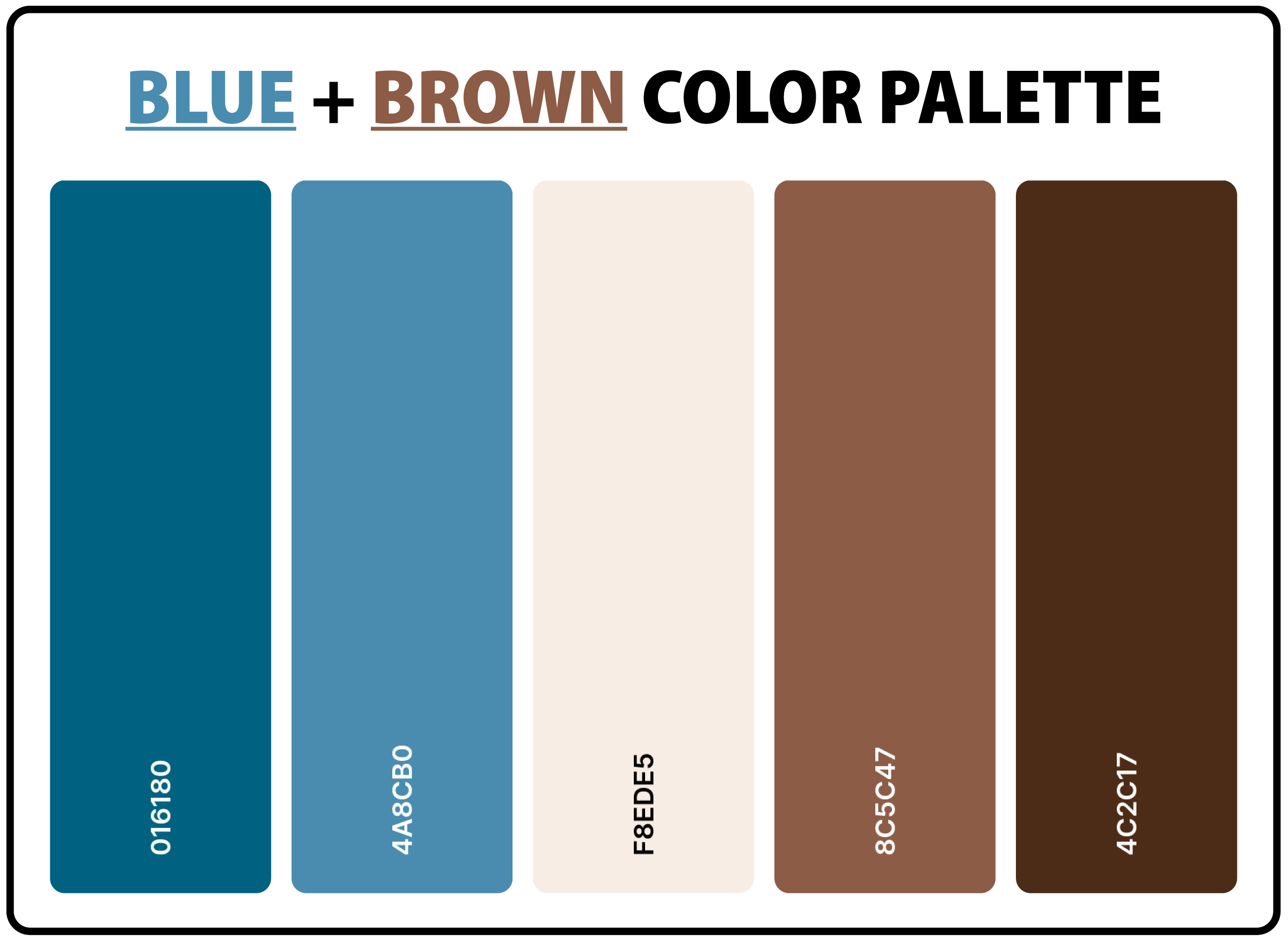
From Art to Interiors: The Versatility of Beige and Blue in Creative Spaces
In the world of design, color plays a pivotal role in shaping our perceptions and experiences. Among the myriad of color combinations that adorn our creative spaces, the pairing of beige and blue stands out for its unique ability to evoke a sense of calmness, sophistication, and versatility. This article delves into the various applications of beige and blue in art and interior design, exploring their historical significance, psychological impacts, and practical applications.
The Historical Context of Beige and Blue
Beige and blue have a rich history in art and design, often symbolizing tranquility and stability. The use of these colors can be traced back to ancient civilizations, where they were employed in textiles, ceramics, and wall paintings. For instance, the Egyptians utilized blue pigments in their art to signify the heavens, while beige hues were derived from natural materials like clay and sand, representing earthiness and grounding.
During the 18th and 19th centuries, the pairing of beige and blue became prominent in European interior design, particularly in the neoclassical and Victorian styles. These colors were favored for their ability to complement luxurious fabrics and ornate furnishings, creating spaces that exuded elegance and sophistication.
The Psychological Impact of Beige and Blue
The psychology of color significantly influences our emotions and behavior. Understanding the effects of beige and blue can enhance the design of creative spaces, making them more effective and inviting.
- Beige: Often associated with warmth, neutrality, and simplicity, beige can create a cozy atmosphere. It serves as an excellent backdrop that allows other colors to stand out, making it a popular choice in minimalist design.
- Blue: This color is known for its calming effects and is often linked to feelings of peace and serenity. It can stimulate creativity and focus, making it ideal for workspaces, studios, and educational environments.
Research indicates that blue hues can enhance productivity by up to 33%, while beige provides a stability that allows creativity to flourish. This combination can create a balanced environment that promotes both creativity and focus.
Beige and Blue in Art
The art world has long embraced the combination of beige and blue, utilizing them to create striking visual narratives. Renowned artists have employed these colors to evoke emotions and convey messages. For instance:
- Pablo Picasso: In his Blue Period, Picasso utilized various shades of blue to express deep emotional turmoil. When paired with beige tones, such as in his later works, the contrast highlights the emotional depth of his subjects.
- Claude Monet: Monet’s Impressionist paintings often feature soft beige tones in landscapes, complemented by vibrant blues in the sky and water, creating a sense of harmony and tranquility.
Contemporary artists continue to explore this palette, using it to evoke nostalgia and create visual balance. Exhibitions focused on color theory frequently showcase the versatility of beige and blue, highlighting their ability to work harmoniously across various mediums—from paintings to sculptures to installations.
Practical Applications in Interior Design

When it comes to interior design, the pairing of beige and blue offers endless possibilities. This combination can transform spaces into serene retreats or dynamic creative hubs, depending on the design intent.
Living Spaces
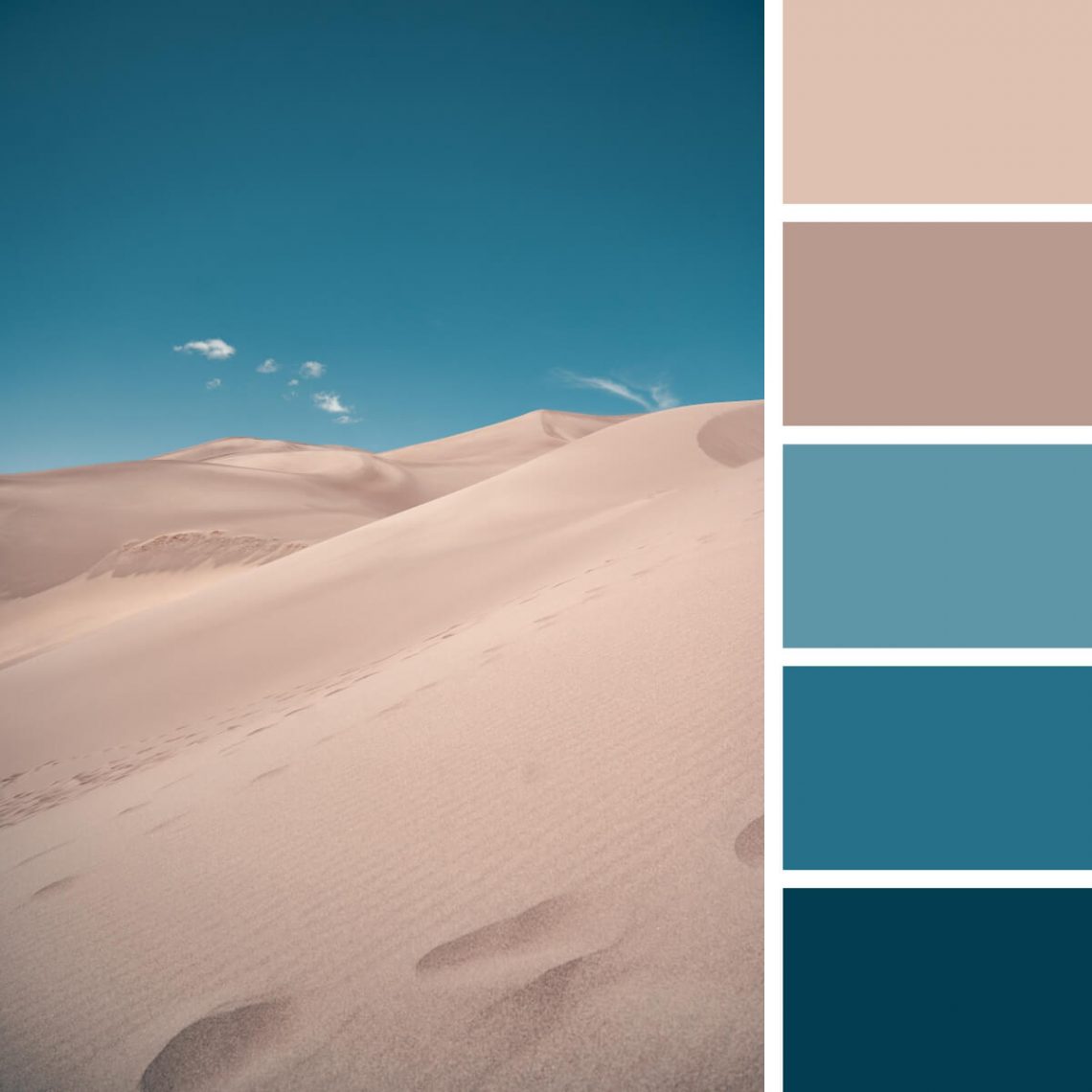
In residential interiors, beige and blue can create inviting and comfortable living areas. Designers often employ these colors in the following ways:
- Accent Walls: A soft beige wall with blue accents in decor can create a focal point without overwhelming the space.
- Textiles: Incorporating beige and blue in cushions, curtains, and rugs can add texture and depth to a room.
- Furniture: Beige upholstered sofas paired with blue armchairs create a balanced and stylish seating arrangement.
Creative Workspaces

For offices and studios, the combination of beige and blue can enhance productivity and creativity. Here are some design ideas:
- Wall Colors: Light beige walls can serve as a neutral backdrop, allowing blue accents in artwork or furniture to pop.
- Lighting: Soft blue lighting can create a calming atmosphere, while beige lampshades can diffuse light gently.
- Open Spaces: Using beige partitions with blue details can create a cohesive yet stimulating work environment.
Case Studies in Design

Several noteworthy design projects illustrate the successful application of beige and blue in creative spaces. One such example is the Blue Hill at Stone Barns, a restaurant and farm in New York. The interiors feature a palette of soft beiges complemented by striking blue accents, creating a serene dining experience that reflects the natural surroundings.
Another case is the Google Campus in California, which incorporates blue and beige in various workspaces. The design promotes a balance between calmness and creativity, fostering an environment where employees can thrive.
Statistics on Color Preferences in Design
Understanding the preferences of audiences can help designers make informed choices about color palettes. Recent surveys indicate that:
- Approximately 40% of people prefer blue as their favorite color, citing its calming effects.
- Beige is often favored in interior design for its versatility, with around 30% of homeowners opting for it as a primary wall color.
These statistics highlight the widespread appeal of beige and blue, making them a safe yet stylish choice for various creative spaces.
Conclusion: Embracing the Timeless Duo

The versatility of beige and blue in art and interiors cannot be overstated. This timeless color combination not only enhances aesthetic appeal but also influences emotional well-being and creativity. Whether in a cozy living room, a dynamic workspace, or a captivating piece of art, the pairing of these colors offers a unique opportunity to create spaces that resonate with tranquility and sophistication.
As we continue to explore the realms of design, embracing the synergy of beige and blue can lead to more balanced, inviting, and inspiring environments. By understanding their historical context, psychological impacts, and practical applications, designers and homeowners alike can harness the power of these colors to transform their creative spaces.


