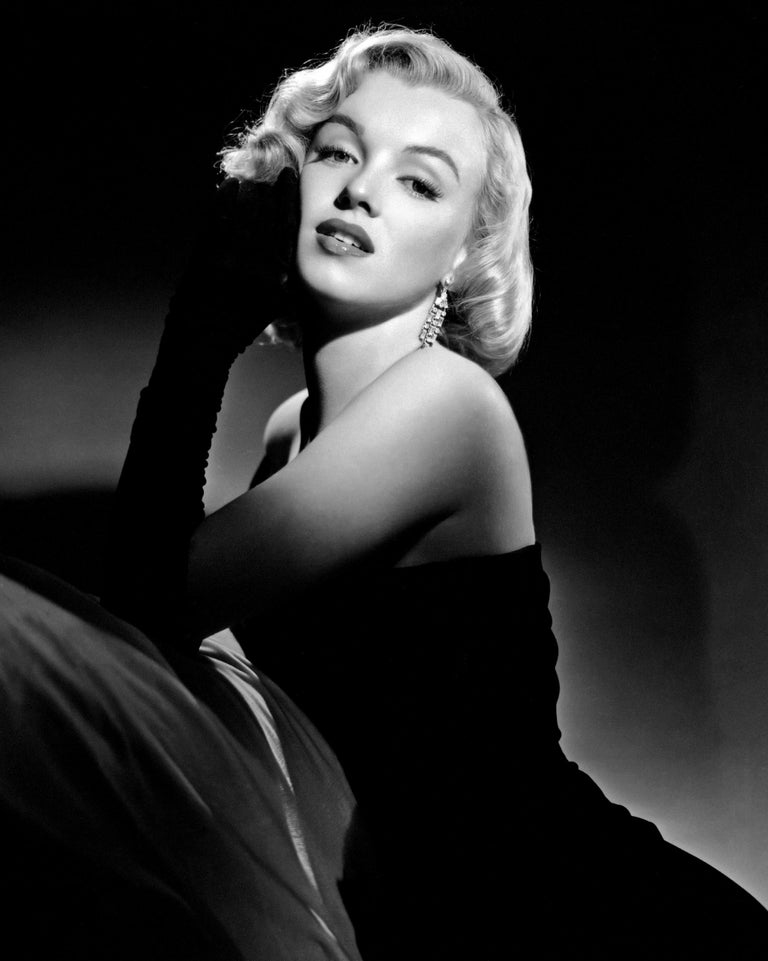
Capturing Iconic Beauty: The Art of Marilyn Monroe\’s Black and White Photography
Marilyn Monroe remains one of the most recognizable figures in popular culture, a symbol of beauty and femininity that transcends generations. While her films and performances contributed significantly to her legendary status, it is her black and white photography that often captures the essence of her allure in a way that colored images cannot. This article delves into the artistry behind Marilyn Monroe’s black and white photography, exploring its historical context, the photographers who immortalized her, and the enduring impact of these images on contemporary culture.
The Historical Context of Monroe’s Photography
Born Norma Jeane Mortenson in 1926, Marilyn Monroe rose to fame in the 1950s as a leading actress and sex symbol. The era was marked by a fascination with glamour, and Monroe epitomized this aesthetic. Black and white photography was dominant during this time, primarily due to technological limitations and the artistic choices of photographers who sought to convey emotion and depth through monochrome.
- Monochrome Aesthetic: The absence of color in black and white images allowed photographers to focus on contrasts, textures, and the interplay of light and shadow. This form of photography can evoke strong emotions, drawing viewers into the subject’s world.
- Symbol of Glamour: Monroe’s beauty, characterized by her platinum blonde hair and striking features, was accentuated in black and white photography, creating an iconic visual language that emphasized her status as a glamorous figure.
Photographers Who Defined Monroe’s Image

Several photographers played pivotal roles in crafting the iconic images of Marilyn Monroe that we recognize today. Each brought their unique style and perspective, contributing to an evolving narrative around her persona.
George Barris: The Intimate Portraits
George Barris is perhaps best known for his intimate photographs of Monroe taken shortly before her death in 1962. His work captures a vulnerable side of the star, showcasing her in candid moments that humanize her celebrity status.
- Personal Connection: Barris’s photographs reflect a close relationship with Monroe, allowing him to capture her authenticity in a way that many commercial photographers could not.
- Intimate Settings: The settings of Barris’s shoots, often outdoors or in private spaces, created a sense of intimacy that contrasts sharply with the glitz of Hollywood.
Milton Greene: The Collaborative Genius

Milton Greene was a close friend and collaborator of Monroe, and his work with her extended beyond mere photography; it was a partnership that explored her identity as both an actress and a woman.
- Artistic Collaboration: Greene’s photographs often featured Monroe in various personas, using wardrobe changes and settings to express different facets of her character.
- Emotion and Expression: His ability to capture her emotions, from joy to melancholy, contributed to a more nuanced portrayal of Monroe, challenging the one-dimensional view of her as simply a sex symbol.
The Techniques Behind the Lens
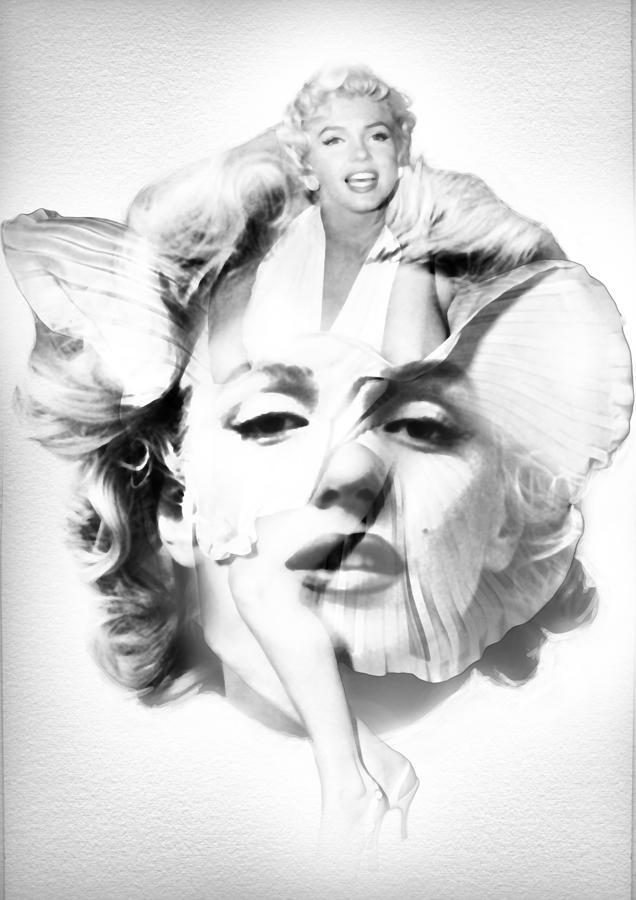
The magic of Monroe’s black and white photography lies not only in the subject but also in the techniques employed by her photographers. Understanding these techniques can provide insight into how these images convey beauty and emotion.
Lighting and Shadow
Lighting plays a crucial role in black and white photography, and the way Monroe was lit can dramatically affect the mood of an image.
- High Contrast: Photographers often used high-contrast lighting to create dramatic effects, emphasizing Monroe’s features and adding depth to the image.
- Soft Lighting: Conversely, soft lighting techniques were employed to create a more ethereal quality, highlighting her beauty while softening harsh lines.
Composition and Framing
The composition of photographs also significantly impacts their aesthetic. Monroe was often framed in ways that accentuated her curves and femininity.
- Rule of Thirds: Many iconic images of Monroe utilize the rule of thirds, drawing the viewer’s eye naturally towards her figure.
- Negative Space: Photographers often used negative space creatively, allowing Monroe’s figure to stand out against minimal backgrounds, enhancing her presence in the image.
The Cultural Impact of Monroe’s Photography
The black and white photography of Marilyn Monroe has left an indelible mark on popular culture, influencing generations of artists, photographers, and filmmakers.
Influence on Fashion and Beauty Standards
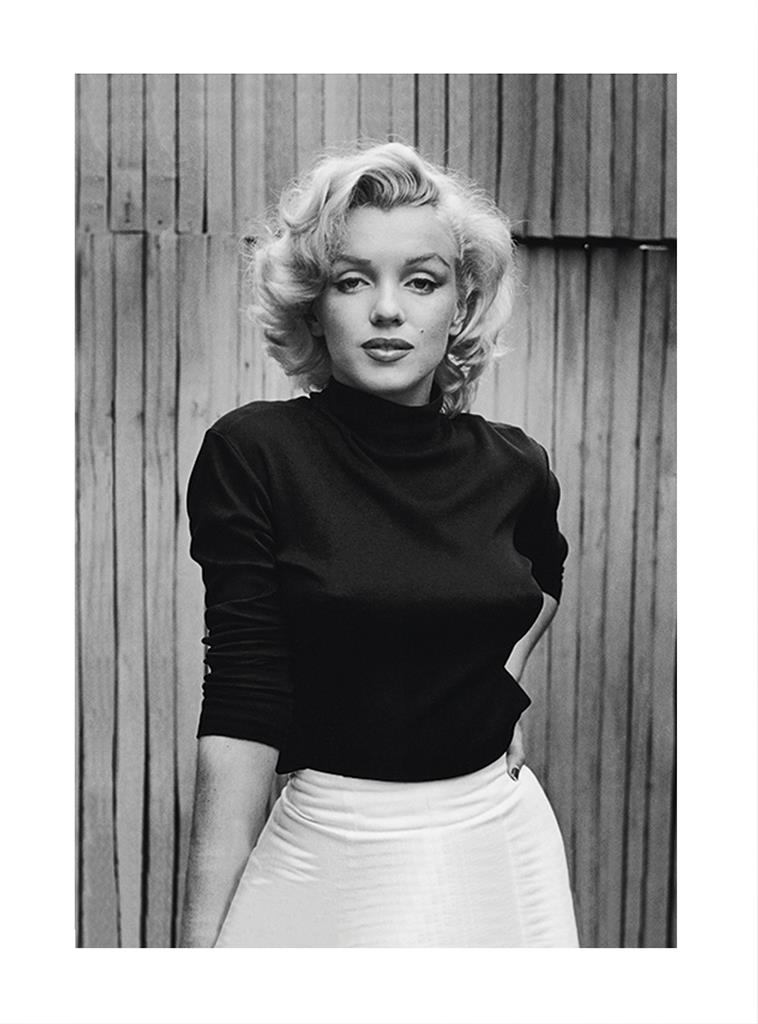
Monroe’s images have become a touchstone for beauty standards in fashion photography. Designers and brands often draw inspiration from her iconic looks, aiming to capture the same allure in their campaigns.
- Timeless Icons: Fashion designers regularly reference Monroe’s style, from her signature blonde hair to her glamorous makeup, as a benchmark for beauty.
- Modern Adaptations: Contemporary photographers often recreate Monroe’s iconic poses or styles, demonstrating her lasting influence on modern aesthetics.
Artistic Interpretations
The allure of Monroe’s black and white photography has also inspired various artistic interpretations, from paintings to digital art. Her images have been reimagined and deconstructed in numerous ways, reflecting her status as a cultural icon.
- Andy Warhol’s Pop Art: Warhol’s famous silkscreen prints of Monroe highlight her image as a commodity in popular culture, emphasizing the tension between celebrity and individuality.
- Contemporary Artists: Many modern artists continue to explore themes of femininity, identity, and the male gaze through the lens of Monroe’s iconic imagery.
The Enduring Legacy of Marilyn Monroe’s Black and White Photography

As we reflect on the art of Marilyn Monroe’s black and white photography, it is clear that these images do more than just capture her beauty; they tell a story of an era, a woman, and the complexities of fame. The interplay of light, shadow, and emotion creates a timeless allure that continues to captivate audiences today.
Monroe’s black and white photographs serve as a reminder of the power of visual storytelling, illustrating how a single image can evoke emotions and provoke thought. Her legacy endures not only in the realm of photography but also in the cultural consciousness, influencing beauty standards and artistic expression long after her passing.
Marilyn Monroe’s black and white photography represents an art form that transcends its time, capturing the essence of an iconic figure with an elegance that resonates across generations. Through the lenses of photographers like George Barris and Milton Greene, we are offered a glimpse into the multifaceted life of a woman who remains a symbol of beauty and complexity. The techniques employed in capturing these images, combined with their cultural significance, ensure that Monroe’s legacy continues to inspire and influence the world of art and photography today.


