
A Comprehensive Guide to Ford Maverick Bumper Replacement
The Ford Maverick, a compact pickup truck that has captured the hearts of many with its affordability, practicality, and off-road capabilities, is a popular choice for a wide range of drivers. While robust and generally reliable, like any vehicle, the Maverick can experience wear and tear, or unfortunate accidents, leading to the need for bumper replacement. Whether it’s a minor cosmetic scuff, a significant impact from a collision, or even corrosion, understanding the process of Ford Maverick bumper replacement is crucial for maintaining your vehicle’s integrity, safety, and aesthetic appeal.
This comprehensive guide will walk you through everything you need to know about replacing your Ford Maverick’s bumper. We will delve into the different types of bumpers, the reasons for replacement, the DIY versus professional approach, essential tools and parts, and a step-by-step overview of the process. By the end of this article, you’ll be well-equipped to make informed decisions regarding your Maverick’s bumper needs.
Why Might You Need a Ford Maverick Bumper Replacement?
Several factors can necessitate a bumper replacement for your Ford Maverick. Understanding these reasons will help you assess the urgency and the best course of action.
Minor Damage and Scratches
Even minor incidents, like scraping against a curb, a low-hanging branch, or a light fender-bender in a parking lot, can leave unsightly scratches, scuffs, or minor cracks on your Maverick’s bumper. While these may not affect the bumper’s structural integrity, they can detract from your vehicle’s appearance.
Collision Damage
This is perhaps the most common reason for bumper replacement. In the event of a collision, the bumper is designed to absorb some of the impact, protecting more critical components of the vehicle. Even a seemingly minor impact can compromise the bumper’s ability to perform its safety function in subsequent incidents. Statistics from the National Highway Traffic Safety Administration (NHTSA) consistently show that bumpers are the first point of contact in a significant percentage of vehicle accidents.
Wear and Tear, and Environmental Factors
Over time, constant exposure to sunlight, extreme temperatures, and road debris can degrade the material of your Maverick’s bumper. This can lead to fading, cracking, or brittleness. In regions with harsh weather or heavy road salt usage, corrosion can also become a concern, particularly if the bumper has underlying metal components that are exposed.
Upgrades and Customization
Beyond necessity, some Maverick owners opt for bumper replacement for aesthetic or functional upgrades. This could involve installing a more aggressive-looking aftermarket bumper, a bumper with enhanced aerodynamic properties, or one designed for specific off-road applications, such as those with integrated winch mounts or towing capabilities.
Types of Ford Maverick Bumpers
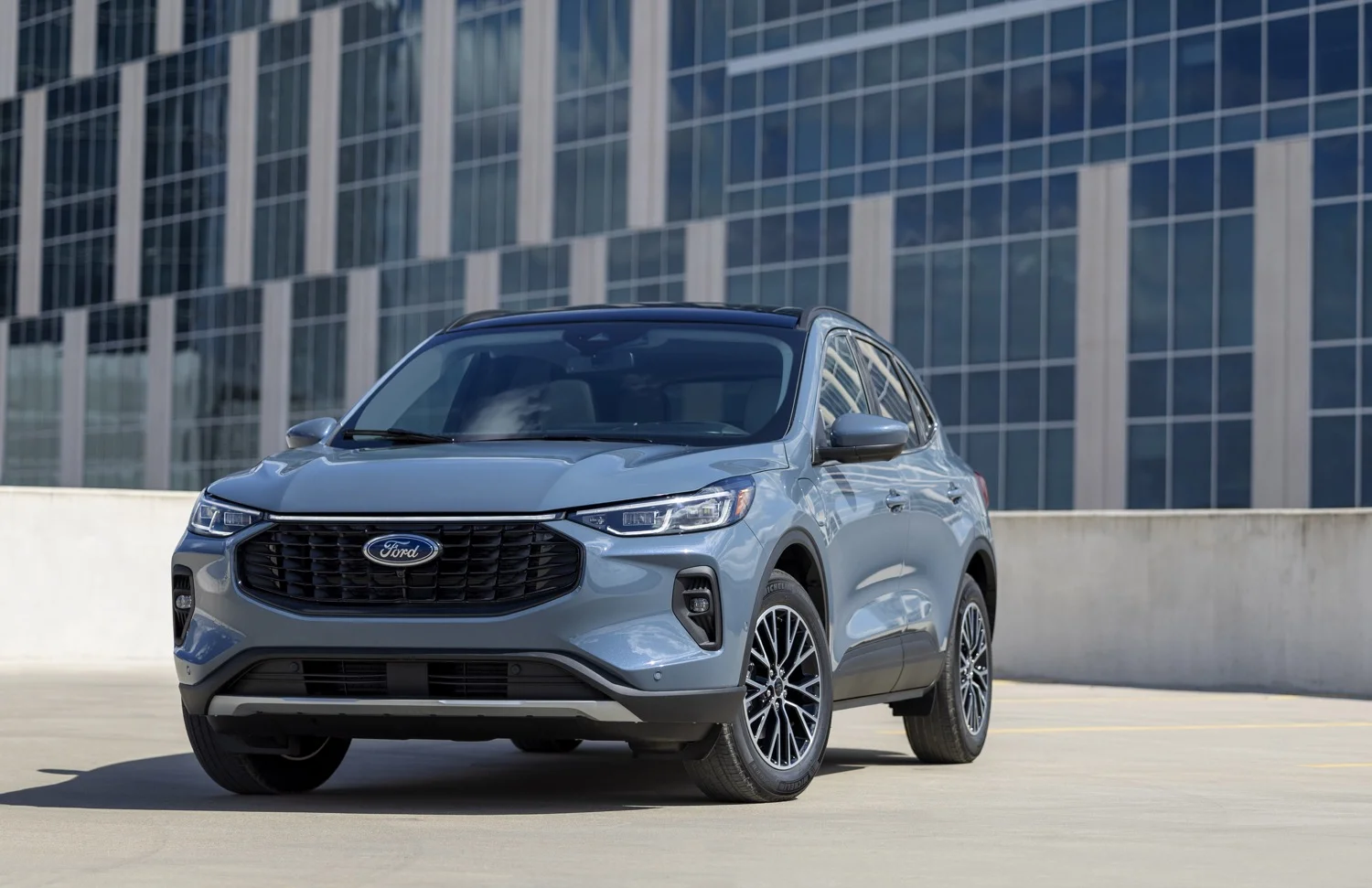
Understanding the different types of bumpers available for your Ford Maverick is essential for selecting the right replacement.
- OEM (Original Equipment Manufacturer) Bumpers: These are factory-standard bumpers that are designed and manufactured by Ford or their authorized suppliers. They are guaranteed to fit perfectly and match the original specifications of your Maverick. For many owners, sticking with OEM is the safest and most straightforward option.
- Aftermarket Bumpers: These are manufactured by third-party companies and offer a wide range of styles, materials, and functionalities. They can be more affordable than OEM bumpers, or they can offer premium features and a more aggressive aesthetic. It’s crucial to research reputable aftermarket brands to ensure quality and proper fitment.
- Specialty Bumpers: This category includes bumpers designed for specific purposes, such as:
- Off-Road Bumpers: Often made from heavy-duty steel, these are built for rugged terrain and may include features like skid plates, bull bars, and winch mounts.
- Street/Performance Bumpers: These may focus on aerodynamic improvements, lighter weight, or a more streamlined appearance.
DIY vs. Professional Bumper Replacement
The decision to tackle a bumper replacement yourself or hand it over to a professional depends on your skill level, available tools, and the complexity of the job.
DIY Bumper Replacement: Pros and Cons
Pros:
- Cost Savings: The most significant advantage is saving on labor costs.
- Learning Experience: It’s a great way to learn more about your vehicle and build your mechanical skills.
- Flexibility: You can perform the work on your own schedule.
Cons:
- Requires Tools and Knowledge: You’ll need specific tools and a good understanding of automotive repair.
- Time Consuming: It can take considerably longer than a professional.
- Potential for Errors: Mistakes can lead to further damage or improper fitment, costing more in the long run.
- Warranty Concerns: Improper installation might void warranties on certain parts.
Professional Bumper Replacement: Pros and Cons
Pros:
- Expertise and Efficiency: Professionals have the experience and specialized tools to complete the job quickly and correctly.
- Guaranteed Fitment: They ensure the new bumper is installed precisely, maintaining safety and aesthetic standards.
- Warranty: Reputable shops often offer a warranty on their labor and parts.
- Peace of Mind: You can be confident the job is done right the first time.
Cons:
- Higher Cost: Labor charges will significantly increase the overall expense.
- Scheduling: You’ll need to schedule an appointment and potentially be without your vehicle for a period.
Case Study Example: Sarah, a Maverick owner, experienced a rear-end collision. The estimated cost for professional replacement was $800, including a new OEM bumper and labor. She decided to investigate DIY. After researching, she found a used OEM bumper for $200. She borrowed tools from a friend and spent a weekend learning from online videos. She successfully replaced the bumper, saving $600. However, she admitted the process was more challenging than anticipated, and she worried about the precise alignment of the parking sensors, which a professional would have calibrated perfectly.
Essential Tools and Parts for Bumper Replacement
Regardless of whether you’re going the DIY route or preparing for a professional job, it’s helpful to know what’s involved. Here’s a general list of what you might need:
Tools:
- Socket wrench set (metric sizes are common for Fords)
- Screwdriver set (Phillips and flathead)
- Trim removal tools (plastic pry tools to avoid scratching)
- Torque wrench (essential for tightening bolts to the correct specification)
- Pliers
- Wire cutters/strippers (if sensors or lights need reconnecting)
- Jack and jack stands (if working under the vehicle)
- Safety glasses and gloves
- Clean rags and degreaser
Parts:
- Ford Maverick Bumper Cover: This is the outer plastic shell.
- Bumper Reinforcement Bar (Impact Bar): The metal structure behind the cover that absorbs impact. This is often replaced if it’s bent or damaged.
- Bumper Brackets and Mounting Hardware: Clips, bolts, nuts, and screws that secure the bumper to the vehicle’s frame.
- Grilles, Fascia Trim, and Bezels: These are often separate pieces that attach to the bumper cover and may need replacement if damaged.
- Fog Lights or Daytime Running Lights (if applicable): If your Maverick has these integrated into the bumper, they may need to be transferred or replaced.
- Parking Sensors (if applicable): These delicate sensors can be easily damaged and will need to be carefully removed and reinstalled, or replaced if broken.
- Paint: If your new bumper cover isn’t pre-painted, you’ll need to factor in the cost of professional painting or DIY spray paint if you’re aiming for a cost-effective solution.
Statistics on Part Costs: The cost of a new bumper cover for a Ford Maverick can range from $200 to $500 for an aftermarket option, and upwards of $400 to $700 for an OEM part. The reinforcement bar, if needed, can add another $150 to $300. These figures can fluctuate based on specific model year and trim level.
The Ford Maverick Bumper Replacement Process (General Overview)
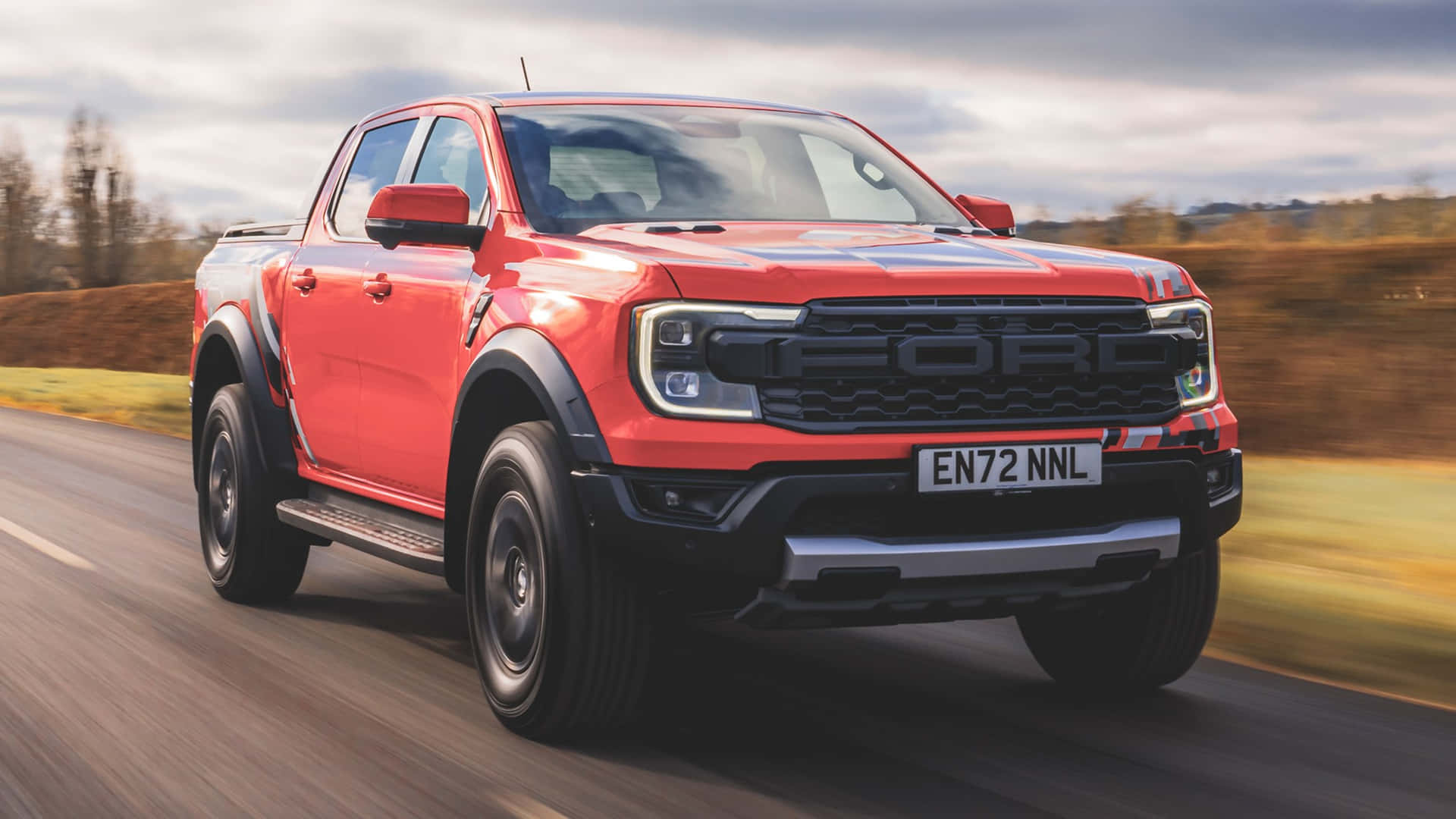
While specific steps can vary slightly between front and rear bumpers and different model years, the general process for replacing a Ford Maverick bumper typically involves the following:
1. Preparation and Safety
- Park your Maverick on a level surface and engage the parking brake.
- If necessary, safely lift the front or rear of the vehicle using a jack and secure it with jack stands.
- Disconnect the battery (negative terminal first) to prevent any electrical shorts, especially if dealing with sensors or lights.
2. Locating and Removing Fasteners
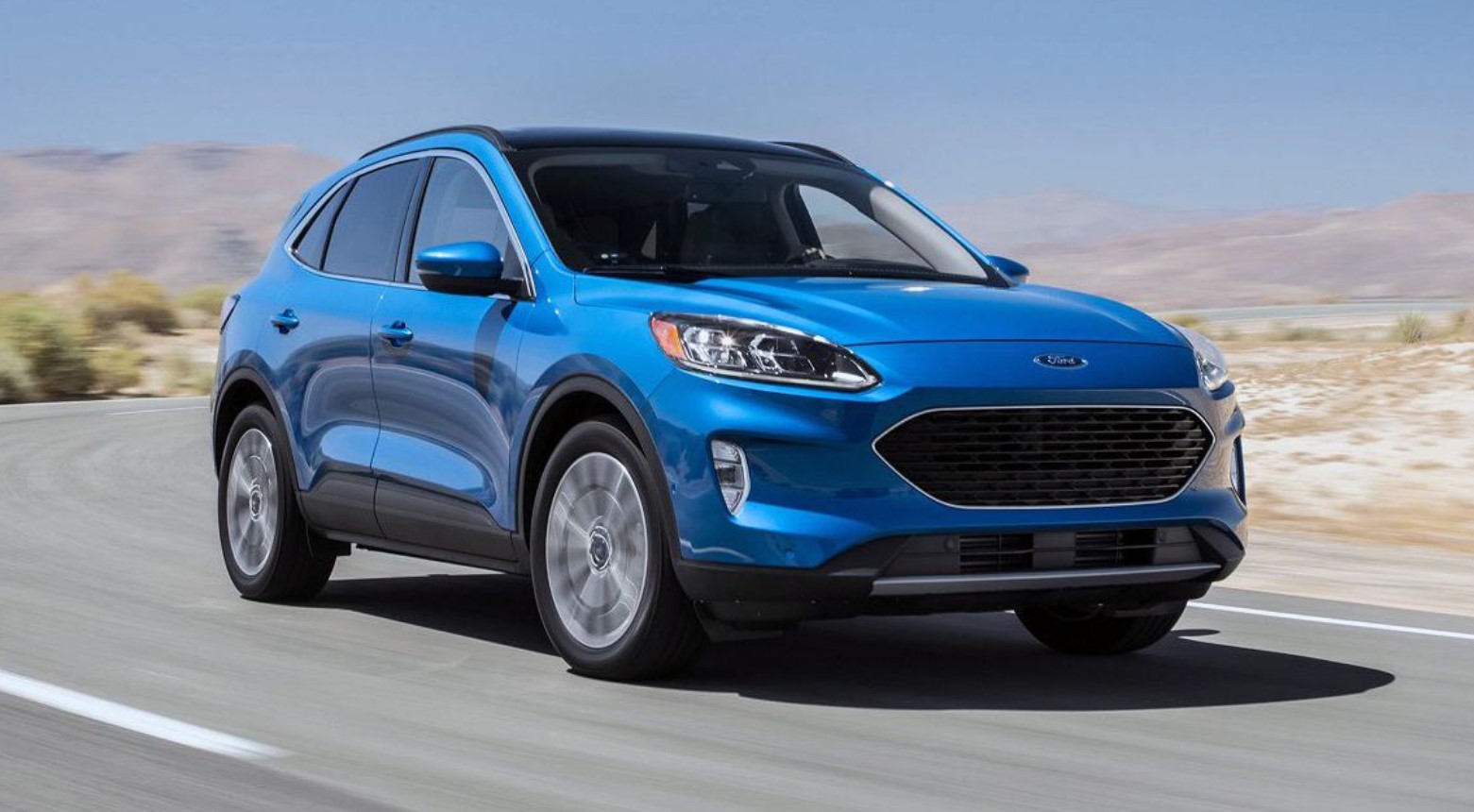
- Inspect the bumper for all visible screws, bolts, and clips. These are often located along the wheel wells, underneath the bumper, and around the grille area.
- Carefully remove any license plates, tow hooks, or other accessories attached to the bumper.
- Look for hidden fasteners or clips that may be secured from behind. Trim removal tools are invaluable here to avoid damaging the surrounding bodywork.
3. Detaching the Bumper Cover
- Once all fasteners are removed, gently begin to pull the bumper cover away from the vehicle. It’s often attached by clips that will snap free. Work your way around the entire perimeter, applying steady pressure.
- If your Maverick has fog lights or sensors, carefully disconnect their wiring harnesses as you detach the bumper cover. Take photos to remember the connections.
4. Removing the Reinforcement Bar (If Necessary)
- If the reinforcement bar is damaged or needs replacement, it’s typically bolted to the vehicle’s frame rails. Remove these bolts.
- Carefully slide the old reinforcement bar off.
5. Installing the New Bumper
- Reinforcement Bar: If you replaced the reinforcement bar, align the new one with the frame rails and secure it with the appropriate bolts, tightening them to the manufacturer’s specifications with a torque wrench.
- Bumper Cover: Transfer any reusable components (like sensors, grilles, or light housings) from the old bumper cover to the new one.
- Align the new bumper cover with the vehicle’s mounting points and clips.
- Starting from one end, carefully press the bumper cover into place, ensuring the clips engage properly. Work your way around, ensuring a snug fit.
- Reinstall all fasteners (screws, bolts, clips) in reverse order of removal.
6. Reconnecting and Final Checks
- Reconnect any wiring harnesses for sensors or lights.
- Reattach any accessories that were removed.
- Lower the vehicle if it was raised.
- Reconnect the battery (negative terminal last).
- Turn on your vehicle and test all lights, sensors, and any other electronic components integrated into the bumper.
- Visually inspect the fit and alignment of the new bumper.
Tips for a Successful Bumper Replacement
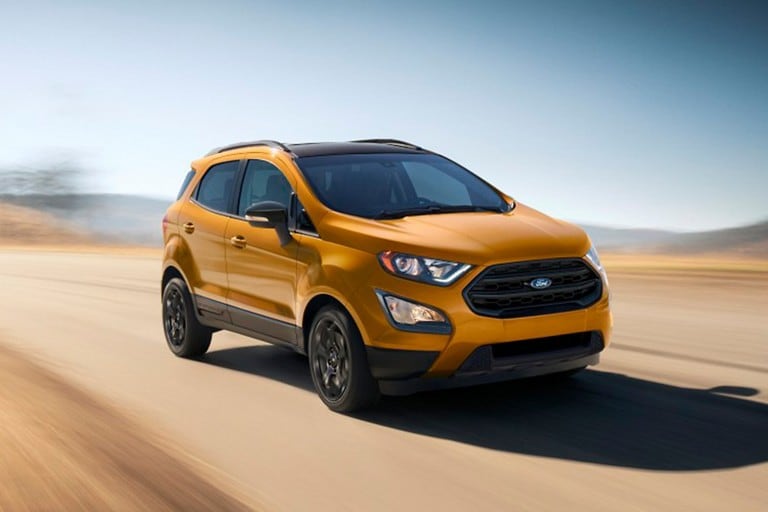
To ensure a smooth and successful bumper replacement, consider these valuable tips:
- Consult Your Owner’s Manual: It often contains specific instructions or diagrams related to bumper removal and installation for your particular Maverick model.
- Watch Online Tutorials: YouTube and other automotive forums are excellent resources for visual guides and real-world advice from other Maverick owners. Search for videos specific to your year and trim.
- Take Pictures: Document the disassembly process with your phone. This will be invaluable when reassembling, especially for wiring or tricky fastener locations.
- Use the Right Tools: Investing in a good set of tools, especially trim removal tools and a torque wrench, will make the job easier and prevent damage.
- Source Quality Parts: Whether you choose OEM or aftermarket, ensure the parts are designed for your specific Ford Maverick model year and trim.
- Don’t Force Anything: If a part isn’t coming off or going on easily, stop and reassess. You might be missing a hidden fastener or applying pressure in the wrong place. Forcing components can lead to breakage.
- Consider Painting: If your new bumper cover isn’t pre-painted, get quotes for professional painting. A poorly painted bumper can significantly detract from your Maverick’s overall appearance.
- Sensor Calibration: If your Maverick has parking sensors, be aware that they might require recalibration by a dealership or a specialized shop after replacement to function accurately.
Replacing the bumper on your Ford Maverick is a task that can range from a straightforward cosmetic fix to a more involved repair. By understanding the reasons for replacement, the types of bumpers available, and the general process, you can make an informed decision about whether to tackle it yourself or seek professional assistance. While the DIY route can offer significant cost savings, it requires the right tools, patience, and a willingness to learn. For those who prioritize efficiency, expertise, and a guaranteed outcome, professional replacement by a trusted mechanic or body shop is the ideal choice. Regardless of your approach, ensuring the correct fitment, proper installation, and the use of quality parts will not only restore your Ford Maverick’s appearance but also maintain its safety and structural integrity. A well-maintained bumper is a crucial component of a safe and enjoyable driving experience, and a successful replacement will leave you with a truck that looks as good as it performs.


