
The Nostalgic Revival: Why Cassette Tape Player Boomboxes Are Making a Comeback
In an era dominated by the sterile convenience of digital streaming and the sleek minimalism of earbuds, a curious phenomenon has emerged: the resurgence of the cassette tape player boombox. These chunky, often brightly colored relics of the 1980s and 1990s, once relegated to dusty attics and thrift store bargain bins, are experiencing a surprising revival. Far from being a mere fad, this comeback speaks to a deeper yearning for tangible experiences, a rejection of digital ephemerality, and a nostalgic embrace of a simpler, more tactile audio landscape.
The Digital Deluge and the Desire for Tangibility
The digital revolution has undeniably transformed how we consume music. We have instant access to millions of songs at our fingertips, curated playlists, and lossless audio quality. Yet, this very ubiquity and ease of access can also lead to a sense of detachment. Music can feel disposable, a fleeting soundtrack to our lives rather than an object to be cherished. This is where the cassette tape boombox enters the picture.
A Physical Connection in a Virtual World
Cassette tapes, with their magnetic tape wound around spools, offer a fundamentally different listening experience. They require active engagement: inserting the tape, pressing play, rewinding, and ejecting. This physical interaction fosters a deeper connection to the music. Unlike a digital file that exists as code, a cassette tape is a tangible object that can be held, displayed, and even worn down with repeated play, each hiss and crackle a testament to its journey.
- The Ritual of Listening: The act of putting a cassette into a boombox and pressing play creates a deliberate and focused listening session, contrasting with the passive background noise of digital streams.
- The Album Experience: Cassettes often encouraged listening to entire albums in sequence, promoting a deeper appreciation for the artist’s intended narrative and flow.
- Collecting and Curation: Building a cassette collection is a more involved process than creating a digital library. Each tape represents a conscious choice and a physical artifact.
Nostalgia: The Warm Glow of the Past
For many, the cassette boombox evokes powerful memories of childhood and adolescence. The distinctive sound of a tape whirring, the iconic designs of brands like JVC, Sharp, and Panasonic, and the association with vibrant street culture and early hip-hop all contribute to a potent sense of nostalgia.
The Soundtrack to a Generation
The boombox was more than just a music player; it was a cultural icon. It was the centerpiece of block parties, a portable sound system for impromptu dance sessions, and a symbol of youthful rebellion and self-expression. These associations are now being rediscovered and re-embraced by a new generation, as well as by those who lived through that era.
- Retro Aesthetics: The bulky, often retro designs of boomboxes appeal to a growing aesthetic preference for all things vintage and analog.
- Pop Culture Resurgence: The 1980s and 1990s have seen a significant resurgence in popular culture, with movies, TV shows, and fashion all drawing inspiration from these decades. The boombox fits perfectly into this trend.
- A Rebellion Against the Disposable: In a world of planned obsolescence and fleeting digital trends, the durability and repairability of older technology can be appealing.
Beyond Nostalgia: Practical and Artistic Appeals
While nostalgia plays a significant role, the comeback of cassette boomboxes isn’t solely about sentimental value. There are tangible benefits and artistic considerations that are attracting both audiophiles and creatives.
The Unique Sonic Character
Digital audio, while technically pristine, can sometimes sound sterile. Cassette tapes, with their inherent analog warmth, introduce a subtle distortion, a slight compression, and a richness that many find more pleasing and authentic. This “lo-fi” sound has become a desirable characteristic for certain genres and artists.
The “Warmth” of Analog
The magnetic tape itself imparts a unique sonic character. The way it records and reproduces sound is fundamentally different from digital sampling. This can result in a more organic and less “perfect” sound that some listeners prefer, finding it more engaging and less fatiguing.
Case Study: The Indie Music Scene
Many independent musicians and labels are embracing cassettes as a format for releasing their music. The lower cost of production compared to vinyl, combined with the niche appeal, allows them to connect with a dedicated fan base. Artists like Billie Eilish and The 1975 have, at times, embraced cassette releases, bringing them to a wider audience.
The Boombox as an Art Object and Statement Piece
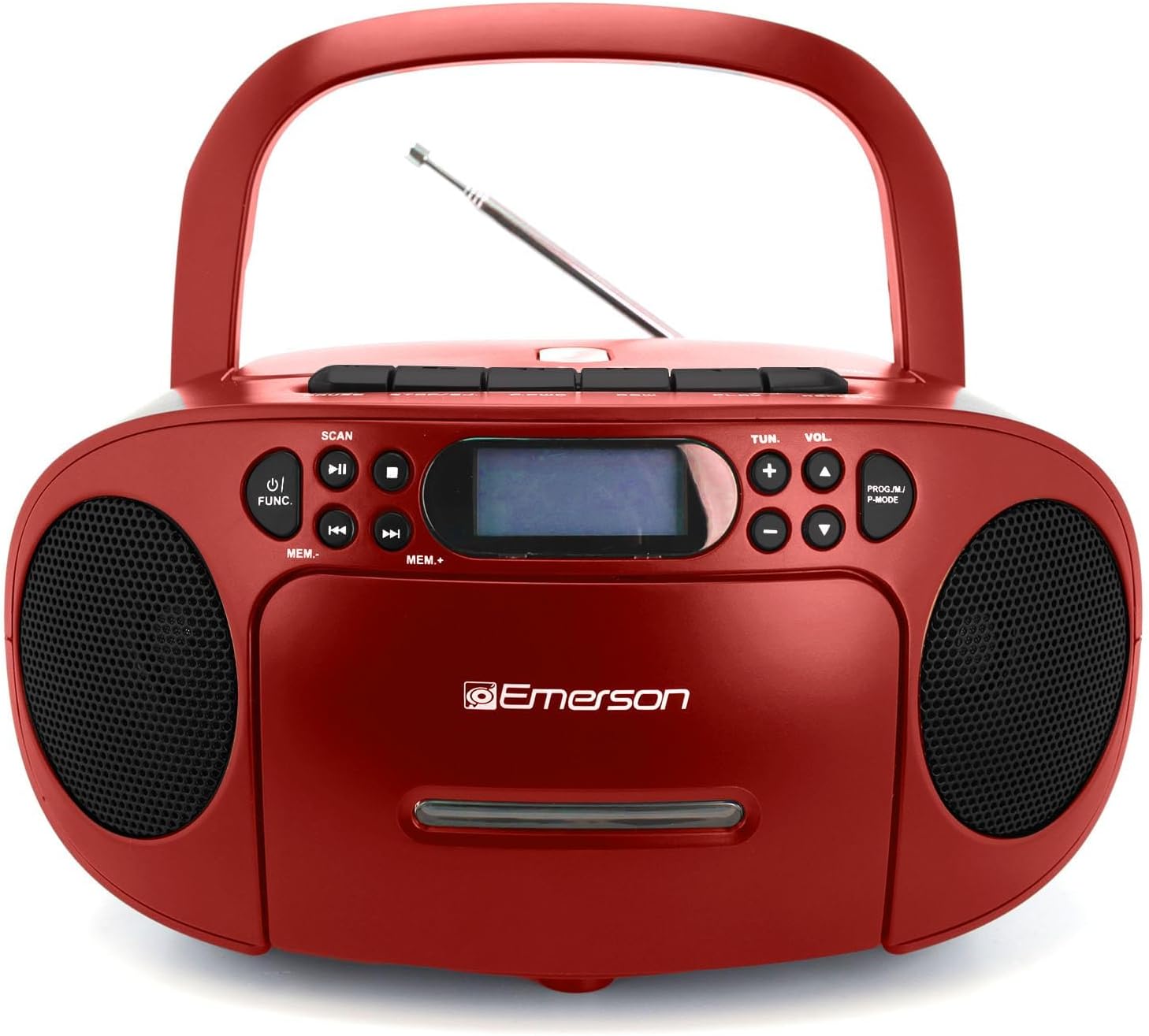
Today’s refurbished or reimagined boomboxes are often more than just functional devices. They are becoming art objects and statement pieces, blending retro technology with modern design elements. This fusion appeals to a consumer base that values both form and function.
Restoration and Customization
A thriving subculture of enthusiasts is dedicated to restoring vintage boomboxes, breathing new life into these old machines. Many also offer customization services, painting them with intricate designs, adding modern Bluetooth connectivity, or integrating them into other audio systems.
A Statement of Individuality
Owning and using a boombox in the age of AirPods is a deliberate choice. It signifies a departure from the mainstream, a preference for the unconventional, and a desire to stand out. It’s a way of expressing individuality and a connection to a particular subculture.
Statistics and Market Trends
While pinpointing exact statistics for the boombox market is challenging due to its niche nature, anecdotal evidence and the availability of new and refurbished units suggest a growing trend.
- Increased Online Listings: Platforms like eBay and Etsy show a significant increase in listings for vintage and refurbished boomboxes, with many selling at premium prices.
- New Production: Several companies are now producing brand-new boomboxes with modern features like Bluetooth, USB playback, and even cassette recording capabilities, catering to the revived demand. Brands such as ION Audio and GPO are prominent in this space.
- Cassette Tape Sales Growth: According to the Recording Industry Association of America (RIAA), cassette tape sales have seen year-over-year growth in recent years, indicating a broader resurgence of the format that boomboxes utilize. While still a fraction of overall music sales, this upward trend is notable.
The Future of the Analog Echo

The comeback of the cassette tape player boombox is not a fleeting trend but rather a testament to the enduring power of tangible experiences and the cyclical nature of popular culture. As we continue to navigate an increasingly digital world, the warm embrace of analog technology, embodied by these iconic machines, offers a welcome counterpoint.
A Blend of Old and New

The future likely holds a continued integration of old and new. Expect to see more boomboxes with hybrid functionality, allowing users to enjoy their cassette collections while also seamlessly connecting to digital music sources. The appeal lies in the ability to have the best of both worlds: the tactile warmth of analog and the convenience of digital.
Preserving a Sonic Heritage

The revival of the boombox also serves a vital role in preserving a significant part of our sonic heritage. These devices represent a specific era of musical innovation and cultural expression, and their continued use ensures that their legacy endures for future generations to discover and appreciate.
More Than Just a Fad

The resurgence of cassette tape player boomboxes is a multifaceted phenomenon driven by a confluence of nostalgia, a desire for tangible experiences, and an appreciation for unique sonic qualities. They represent a rebellion against the disposable nature of digital culture, offering a more deliberate and engaging way to connect with music. Whether as a cherished childhood memory relived, a statement piece of retro-cool, or a tool for experiencing the “warmth” of analog sound, the boombox is back, and its echo in our modern soundscape is a compelling one.


