
How to Choose the Right RV Awning Cleaner for Your Needs
Your RV awning is more than just a piece of fabric; it’s your personal shade sanctuary, your extension of indoor living to the great outdoors. It shields you from harsh sun, provides shelter during unexpected drizzles, and sets the stage for countless memorable moments. However, this essential RV component is constantly exposed to the elements, making it susceptible to dirt, grime, mold, mildew, bird droppings, and UV damage. Without proper care, your awning can quickly lose its aesthetic appeal and its protective integrity. This article will guide you through the process of selecting the right RV awning cleaner, ensuring your awning remains a vibrant and functional asset for years to come.
Understanding the Enemies of Your RV Awning
Before delving into the world of awning cleaners, it’s crucial to understand what you’re up against. Different types of soiling require different cleaning approaches. Identifying the primary culprits will help you make a more informed decision:
Common Contaminants and Their Impact:
- Dirt and Dust: This is the most common form of soiling, accumulating from road travel and general outdoor exposure. It can dull the awning’s color and create a gritty texture.
- Bird Droppings: These acidic deposits can etch into the fabric, leaving permanent stains if not removed promptly.
- Mold and Mildew: Damp environments, especially when the awning is stored wet, are breeding grounds for mold and mildew. These unsightly growths can compromise fabric integrity and emit unpleasant odors.
- Tree Sap and Road Tar: Sticky and stubborn, these can be challenging to remove and attract further dirt.
- UV Damage: Prolonged exposure to sunlight can fade colors, weaken the fabric, and make it brittle over time. While cleaners can’t reverse UV damage, some formulations can offer protective benefits.
- Algae: Similar to mold and mildew, algae thrive in moist conditions and can create green or black streaks.
Key Factors to Consider When Selecting an RV Awning Cleaner
The market is flooded with RV awning cleaners, each promising a miracle cure. However, not all cleaners are created equal. Here are the critical factors to weigh when making your choice:
1. Awning Material Compatibility
This is arguably the most important consideration. Most RV awnings are made from one of two primary materials:
- Vinyl: Vinyl awnings are generally durable and easier to clean. However, harsh chemicals can degrade the vinyl over time. Look for cleaners specifically formulated for vinyl.
- Acrylic: Acrylic fabrics are known for their breathability and UV resistance. They can be more delicate than vinyl and require gentle cleaning. Avoid abrasive cleaners or solvents that could damage the acrylic fibers.
Case Study: Sarah, a seasoned RVer, once used a general-purpose degreaser on her acrylic awning to remove stubborn bird droppings. The result was disastrous: the fabric became stiff, lost its water-repellency, and the color faded significantly. This underscores the importance of checking manufacturer recommendations and product labels.
2. Type of Cleaning Formula
Awning cleaners come in various formulations, each with its own strengths:
- All-Purpose Cleaners: These are designed for general dirt and grime. They are usually mild and safe for most awning materials.
- Mold and Mildew Removers: These often contain oxidizing agents or biocides to kill and remove fungal growth. They can be more potent and may require rinsing thoroughly.
- Specialty Cleaners: These are formulated for specific issues like tar removal, rust stains, or UV protection.
- Enzyme-Based Cleaners: These utilize natural enzymes to break down organic stains like bird droppings and food residue. They are typically eco-friendly and safe for most materials.
3. Safety and Environmental Impact
Consider the impact of the cleaner on:
- Your RV’s Exterior: Some harsh chemicals can damage surrounding RV surfaces, including paint, decals, and window seals. Always test in an inconspicuous area first.
- The Environment: Opt for biodegradable and eco-friendly formulas whenever possible. This is especially important if you are camping in sensitive natural areas.
- Your Health: Wear appropriate protective gear, such as gloves and eye protection, when using any cleaning product. Ensure good ventilation.
4. Ease of Use and Application

Think about how you prefer to clean:
- Spray Bottles: Convenient for spot cleaning and lighter soiling.
- Concentrated Formulas: Require dilution with water, offering better value and the ability to adjust strength.
- Foaming Formulas: Can cling to the fabric, allowing for longer contact time and effective lifting of dirt.
- Ready-to-Use Products: The simplest option, requiring no mixing.
5. Brand Reputation and Reviews
Before purchasing, research brands known for producing quality RV care products. Read online reviews from other RV owners to gauge product effectiveness, ease of use, and any potential drawbacks.
The Cleaning Process: Best Practices for Optimal Results
Choosing the right cleaner is only half the battle. Proper application and technique are crucial for achieving the best results and preserving your awning’s lifespan.
Step-by-Step Guide to Cleaning Your RV Awning:
- Preparation is Key: Retract your awning completely. Ensure the area around the awning is clear of any obstructions.
- Rinse Thoroughly: Before applying any cleaner, rinse the awning with a hose to remove loose dirt and debris. This will prevent scratching during the cleaning process.
- Apply the Cleaner: Follow the manufacturer’s instructions for dilution and application. Use a soft-bristle brush or a microfiber cloth to gently work the cleaner into the fabric.
- Address Stubborn Stains: For tough stains like bird droppings or mildew, you may need to let the cleaner sit for a few minutes, or use a specialized cleaner for that particular issue. Avoid aggressive scrubbing, which can damage the fabric.
- Rinse Again: Thoroughly rinse the awning with clean water to remove all traces of the cleaner. This is crucial to prevent residue buildup and potential damage.
- Allow to Dry Completely: Extend the awning and let it air dry completely before retracting it. Storing a wet awning can lead to mold and mildew growth.
- Consider a Protectant: Once the awning is clean and dry, consider applying a UV protectant or water-repellent spray. This will help shield it from future damage and make cleaning easier.
Statistic: According to RV owner surveys, neglecting awning cleaning can lead to a reduction in its lifespan by up to 20% due to fabric degradation and mold damage.
Recommended RV Awning Cleaners (Examples and Types)

While specific product recommendations can change and vary in availability, here are examples of common types of cleaners you’ll find and what to look for:
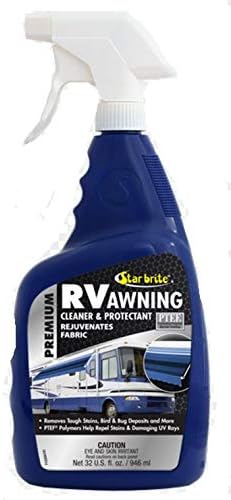
All-Purpose RV Awning Cleaners:
- Products to Look For: Often labeled as “RV Awning Cleaner,” “Fabric Cleaner,” or “Multi-Surface Cleaner.” Many reputable RV accessory brands offer these.
- Key Ingredients: Mild surfactants, degreasers.
- Best For: Regular maintenance, light to moderate dirt and grime.
Mold and Mildew Specific Cleaners:
- Products to Look For: Labeled as “Mold & Mildew Remover,” “Black Streak Remover” (often effective against mold too), or “Fabric Revitalizer.”
- Key Ingredients: Hydrogen peroxide, sodium hypochlorite (bleach, but in milder formulations for fabric), or specialized anti-fungal agents.
- Best For: Visible mold and mildew growth, stubborn black streaks. Always test for colorfastness.
Enzyme-Based and Eco-Friendly Options:
- Products to Look For: Labeled as “Eco-Friendly,” “Biodegradable,” “Plant-Based,” or “Enzyme Cleaner.”
- Key Ingredients: Natural enzymes, plant-derived cleaning agents.
- Best For: RV owners prioritizing environmental impact, sensitive skin, or those dealing with organic stains like food spills.
Protectants and Sealants:

- Products to Look For: “UV Protectant,” “Fabric Guard,” “Water Repellent,” or “Awning Sealant.”
- Key Ingredients: Silicones, fluoropolymers, UV inhibitors.
- Best For: Post-cleaning application to maintain water-repellency and prevent future sun damage.
Example: A popular choice among RVers is a biodegradable awning cleaner that effectively tackles dirt and mildew without leaving harsh chemical residues. Many users report good results with minimal effort, especially when used with a soft brush.
When to Call a Professional
While most awning cleaning can be a DIY project, there are instances where professional help might be beneficial:
- Severe Mold and Mildew Infestation: If the mold or mildew has deeply penetrated the fabric and is causing structural damage, a professional detailer may have access to stronger, specialized treatments.
- Extremely Stubborn Stains: For stains that have set for extended periods or are of an unknown origin, professional cleaning services might be more effective.
- Awning Repair or Replacement: If your awning is showing signs of wear and tear beyond simple cleaning, it may be time to consult with an RV specialist for repairs or a potential replacement.
Your RV awning is a vital part of your outdoor adventure. By understanding the types of soiling, considering key factors like material compatibility and safety, and employing best practices for cleaning, you can effectively choose the right RV awning cleaner for your needs. Regular cleaning and protection will not only keep your awning looking its best but will also extend its lifespan, ensuring countless more seasons of shade and comfort on the road. Invest in the right products and the proper care, and your RV awning will remain a dependable and cherished part of your RVing experience.


