Maximizing Space: Standard Bathroom Dimensions for Small Areas
As urban living spaces shrink and homebuyers increasingly seek efficiency, small bathrooms have become a common feature in many homes. Designing and optimizing these compact areas can be a challenge, but understanding the standard bathroom dimensions and smart design strategies can help you make the most of your small bathroom. In this article, we will explore the ideal dimensions for small bathrooms, creative design solutions, and valuable tips to maximize space without compromising functionality.
Understanding Standard Bathroom Dimensions
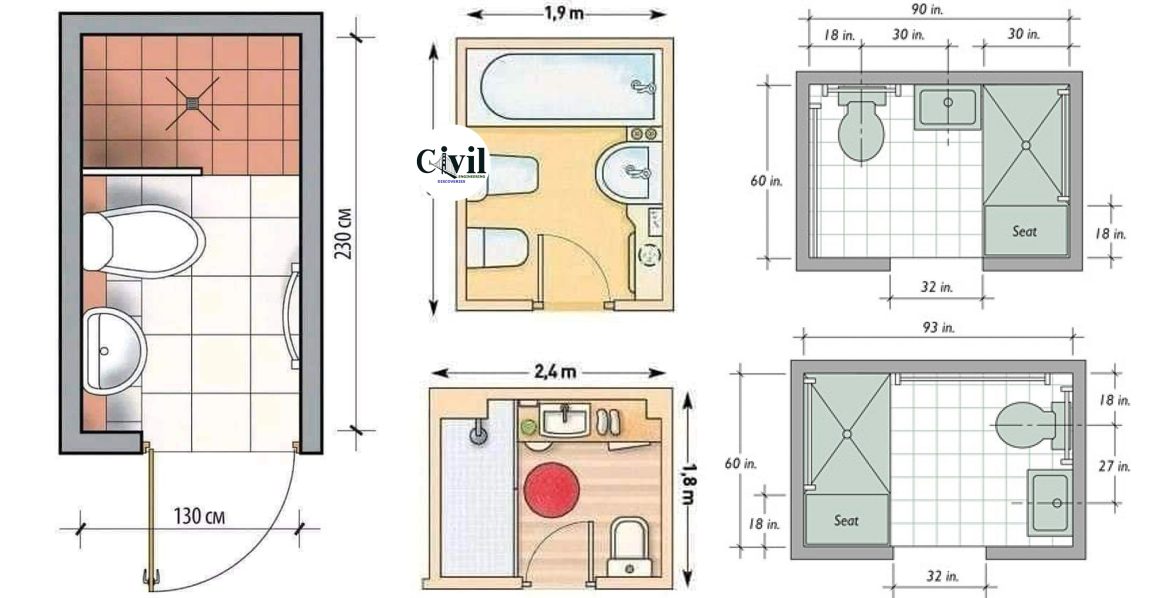
Before diving into design strategies, it is essential to understand the standard dimensions for various bathroom components. While these dimensions can vary based on local building codes and personal preferences, the following measurements serve as a guideline:
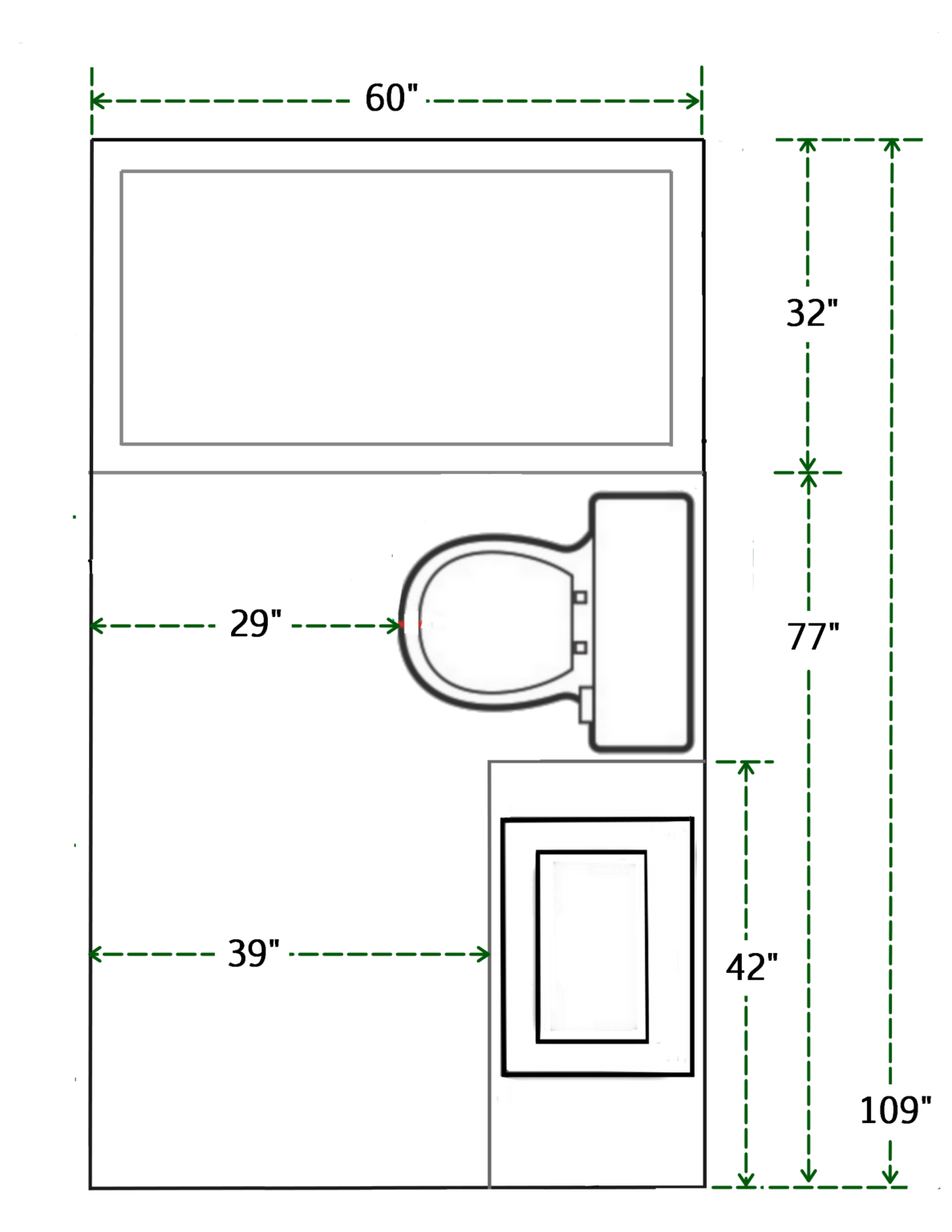
- Full Bathroom: Typically consists of a bathtub, shower, toilet, and sink. The minimum size is around 5 feet by 8 feet (40 square feet).
- Half Bathroom: Generally features a toilet and sink, with a minimum size of about 3 feet by 6 feet (18 square feet).
- Master Bathroom: Usually larger, ranging from 10 feet by 12 feet (120 square feet) to 12 feet by 15 feet (180 square feet), allowing for additional features like double sinks and separate showers.
- Shower Dimensions: A standard shower stall is typically 3 feet by 3 feet, while a shower with a built-in bench may require a minimum of 3 feet by 5 feet.
- Bathtub Dimensions: The standard bathtub is approximately 5 feet long and 2.5 feet wide.
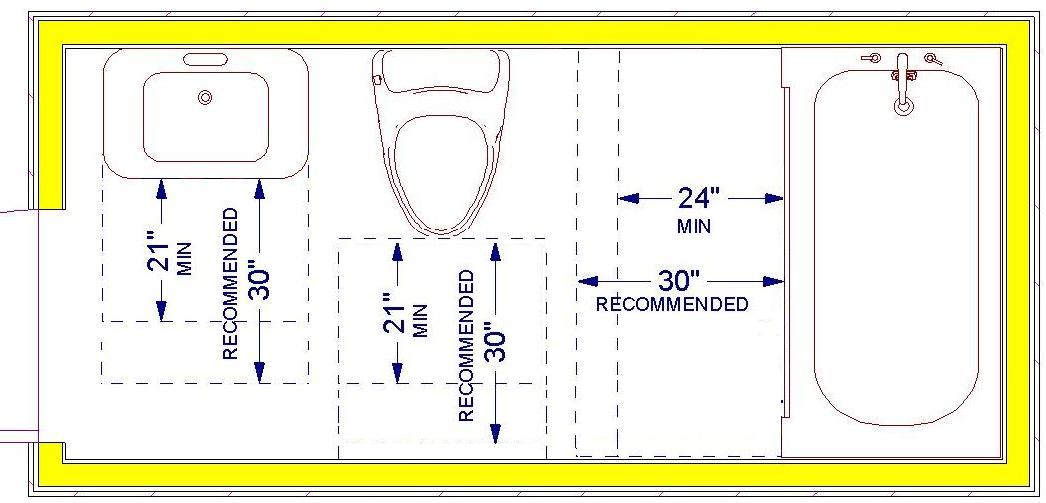
- Toilet Space: A toilet requires a minimum of 30 inches of width and 24 inches of depth for comfortable access.
- Sink Space: A standard sink needs at least 30 inches of width and 24 inches of depth, although smaller pedestal sinks can take up less space.
Smart Design Strategies for Small Bathrooms
Maximizing space in a small bathroom requires innovative thinking and careful planning. Here are some effective strategies to consider:
1. Use Space-Saving Fixtures

Choosing the right fixtures can significantly impact the available space in a small bathroom. Here are some options:
- Wall-Mounted Toilets: These toilets free up floor space and create an illusion of a larger area.
- Corner Sinks: Utilizing corner space with a small sink can provide essential functionality without crowding the room.
- Compact Bathtubs: Consider a smaller bathtub or a combined shower-bath unit that saves space while offering versatility.
2. Optimize Vertical Space
When floor space is limited, think vertically. Here’s how to make the most of your walls:
- Wall Shelves: Install shelving above the toilet or sink for storage without occupying floor space.
- Hanging Cabinets: Use cabinets that extend upwards to the ceiling to maximize storage for toiletries and towels.
- Over-the-Door Hooks: Utilize the back of the door for additional storage of towels or robes.
3. Incorporate Mirrors Wisely
Mirrors not only serve a functional purpose but also create an illusion of depth. Consider the following tips:
- Large Mirrors: A large mirror can make a small bathroom feel more spacious by reflecting light and creating an airy feel.
- Mirrored Cabinets: Combining storage and reflection, mirrored cabinets can enhance both style and functionality.
4. Choose Light Colors and Materials
Color and material choices can significantly affect how a space feels. Here are some recommendations:
- Light Colors: Opt for white, soft pastels, or light neutrals to make the space feel larger and more open.
- Glossy Finishes: High-gloss tiles or paint can reflect light and give the illusion of a more expansive area.
- Transparent Elements: Glass shower doors instead of curtains can help maintain visual flow and reduce clutter.
Case Studies: Successful Small Bathroom Designs
To illustrate the effectiveness of these strategies, let’s look at some successful case studies of small bathroom designs:
Case Study 1: Urban Apartment Bathroom
/bathtub-sizes-reference-guide-1821342_Final-5b51dc45c9e77c005b41a15e.png)
A 5-foot by 8-foot bathroom in a New York City apartment faced the challenge of limited space. The homeowners opted for a wall-mounted toilet and a corner sink, which opened up floor area significantly. They installed sleek, vertical shelves above the toilet and used a large mirror to enhance the sense of space. The light gray tiles and white fixtures contributed to a bright and airy atmosphere, proving that functionality and style can coexist in a small area.
Case Study 2: Compact Family Bathroom
A family of four needed to redesign their 6-foot by 10-foot bathroom to accommodate their needs. They chose a combined shower-bath unit to maximize usability. By utilizing a light color palette and adding a skylight, they made the room feel larger. They also added open shelving for easy access to bath essentials, resulting in a functional space that met the family’s requirements without feeling cramped.
Statistics on Bathroom Space Utilization

Understanding how space is utilized in bathrooms can help homeowners make informed decisions. Here are some statistics:
- According to a survey by the National Association of Home Builders, 75% of homebuyers consider a full bathroom essential.
- Reports indicate that 30% of people find their bathrooms too small, leading to increased demand for efficient designs.
- Space-efficient bathroom designs can increase a home’s value by up to 20%, making it a worthwhile investment.
Maximizing space in a small bathroom involves thoughtful planning and creative design solutions. By understanding standard bathroom dimensions and implementing space-saving fixtures, optimizing vertical space, and utilizing light colors and materials, homeowners can transform their compact bathrooms into functional and stylish retreats. With successful case studies highlighting practical applications, it’s clear that small does not have to mean compromised. Instead, by focusing on innovation and efficiency, you can create a bathroom that meets your needs and enhances your home’s overall appeal.


