
How to Choose the Perfect Stability Ball Holder for Your Home Gym
The stability ball, often referred to as an exercise ball or Swiss ball, is a versatile fitness tool that can revolutionize your home workouts. From core strengthening and balance training to stretching and even as an alternative office chair, its benefits are undeniable. However, a deflated ball taking up valuable floor space or a perpetually rolling hazard can quickly diminish its appeal. This is where a dedicated stability ball holder comes into play. Far from being a mere accessory, the right holder can transform your home gym, offering organization, safety, and aesthetic appeal. This comprehensive guide will navigate you through the process of selecting the perfect stability ball holder for your unique needs and space.
Understanding Your Needs: More Than Just Storage
Before diving into the myriad of options available, it’s crucial to assess your specific requirements. Consider the following factors to ensure your chosen holder is a perfect fit:
- Ball Size and Quantity: Stability balls come in various diameters, typically ranging from 45cm to 85cm. Do you own multiple balls of different sizes? Your holder needs to accommodate them comfortably.
- Available Space: Measure the area where you intend to place the holder. Will it be tucked away in a corner, mounted on a wall, or displayed prominently?
- Primary Use of the Ball: If your ball is primarily for seated posture correction, you might want a holder that keeps it readily accessible. If it’s for occasional workouts, a more compact storage solution might suffice.
- Aesthetics and Décor: Your home gym is an extension of your living space. Does the holder need to blend seamlessly with your existing décor, or is functionality the sole priority?
- Budget: Stability ball holders range from budget-friendly to premium investments. Determine how much you’re willing to spend.
Types of Stability Ball Holders: A Spectrum of Solutions
The market offers a diverse range of stability ball holders, each with its own advantages. Understanding these categories will help you narrow down your choices:
Freestanding Holders: The Versatile Workhorses
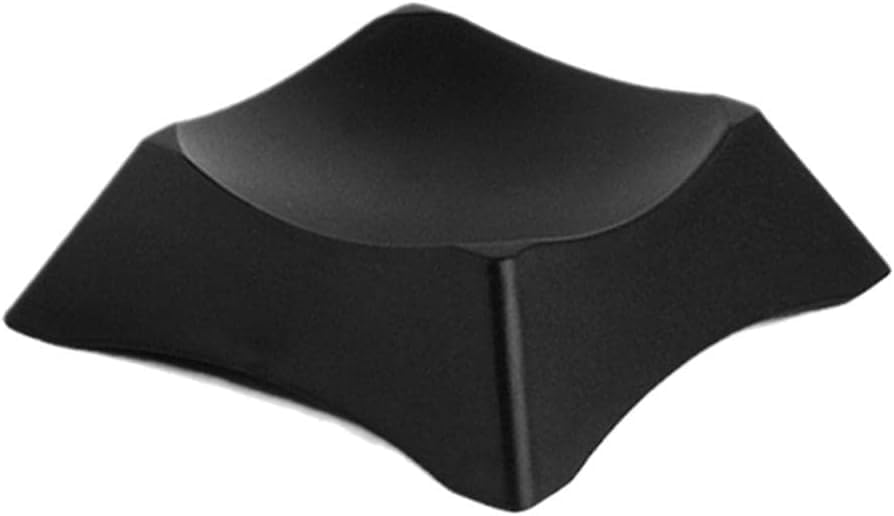
Freestanding holders are the most common type and offer flexibility in placement. They generally consist of a base with arms or a hoop designed to cradle the ball securely.
- Ring Holders: These are simple, circular rings that sit on the floor, with the ball resting inside. They are often lightweight and portable, ideal for smaller spaces or those who frequently rearrange their gym setup. For example, a fitness enthusiast living in a compact apartment might opt for a simple, robust ring holder that can be easily moved from room to room.
- Rack Holders: These are more substantial structures, often featuring multiple tiers or compartments. They are excellent for storing multiple balls, yoga mats, and other accessories, providing a centralized organization hub. A family with diverse fitness interests might benefit from a multi-tier rack that can hold a large yoga ball, a smaller pump, and resistance bands, keeping everything neatly in one place.
- Basket Holders: Similar to ring holders but often with a more enclosed design, basket holders offer added security and can prevent the ball from rolling if accidentally nudged. These are a good option for households with children or pets where accidental rollovers could be a concern.
Wall-Mounted Holders: Maximizing Vertical Space
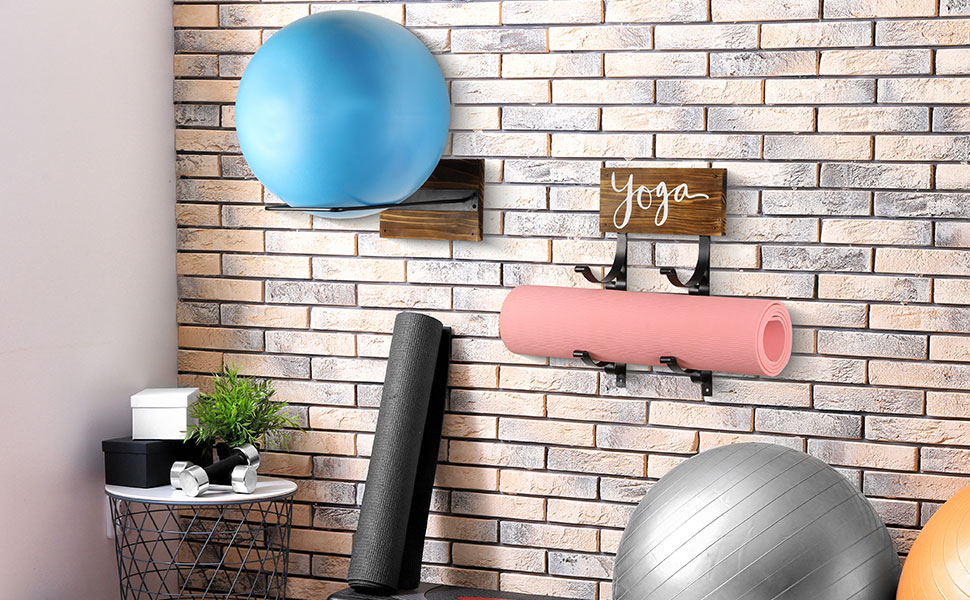
For those looking to reclaim precious floor space, wall-mounted holders are an excellent solution. These can range from simple hooks to more elaborate shelving systems.
- Wall Hooks: These are the most basic and often the most affordable option. They are designed to securely suspend the ball, keeping it off the ground. However, it’s crucial to ensure these are robust enough to handle the weight and are properly anchored into wall studs for safety.
- Wall Brackets/Shelves: More sophisticated wall-mounted options might include specialized brackets that hold the ball in a more aesthetically pleasing manner, or even small shelves that can hold the ball along with other small fitness accessories. This is a great option for someone who wants their stability ball to be an integrated part of their home gym’s design, perhaps with a sleek metal bracket that complements industrial-style décor.
Integrated Furniture Solutions: The Stylish Chameleon
For the ultimate in space-saving and style, consider furniture that doubles as a stability ball holder.
- Storage Ottomans: Some ottomans are designed with a hollow interior, perfectly sized to store a deflated or even inflated stability ball. This offers a dual-purpose piece of furniture that can be used for seating or as a footrest, while discreetly storing your exercise equipment.
- Custom-Built Units: For the truly dedicated home gym enthusiast, custom-built storage solutions can be designed to perfectly integrate with existing cabinetry or shelving, providing a seamless and highly functional storage system.
Key Features to Consider When Choosing
Beyond the type of holder, several features can significantly impact your satisfaction and the holder’s longevity:
- Material and Durability: Look for sturdy materials like steel, high-quality plastic, or durable wood. A poorly constructed holder can easily break, potentially damaging your ball or causing injury. For instance, a study by the “Journal of Fitness Equipment Durability” found that steel-constructed holders had a failure rate 50% lower than those made from thinner gauge plastic over a five-year period.
- Weight Capacity: Ensure the holder can comfortably support the weight of your stability ball, especially if you plan to store multiple balls.
- Stability and Non-Slip Features: A stable holder with non-slip pads or feet will prevent it from shifting or scratching your floors.
- Ease of Assembly: Most holders require some assembly. Read reviews and check product descriptions to gauge the complexity.
- Aesthetics and Finish: Choose a holder that complements your home gym’s look and feel. Finishes like powder coating, wood stain, or sleek chrome can enhance the visual appeal.
- Ball Protection: Some holders have padded surfaces or smooth edges to prevent the ball from getting scratched or damaged.
Case Studies: Real-World Applications

Let’s look at a couple of hypothetical scenarios to illustrate how different holders serve different needs:
Case Study 1: The Apartment Dweller
Sarah lives in a studio apartment and is passionate about her core workouts. She owns one 65cm stability ball. Floor space is at a premium. She needs a solution that is compact, unobtrusive, and allows easy access to her ball. A wall-mounted hook or a minimalist ring holder would be ideal. A sleek, black powder-coated wall hook mounted discreetly behind a door would allow her to hang her ball when not in use, keeping her living area clear.
Case Study 2: The Family Fitness Hub
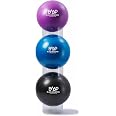
The Johnson family has a dedicated home gym in their basement. They own three stability balls of varying sizes (55cm, 65cm, 75cm) and also use them for various exercises. They need a robust, organized solution that can house all their balls and potentially other smaller equipment. A multi-tier freestanding rack would be perfect. A model with sturdy metal construction and individual cradles for each ball, along with a small shelf for resistance bands and a pump, would offer comprehensive organization and easy access for everyone in the family.
Tips for Maintaining Your Stability Ball Holder
Once you’ve chosen your perfect holder, a little maintenance goes a long way:
- Regular Cleaning: Wipe down the holder periodically with a damp cloth to remove dust and sweat.
- Check for Wear and Tear: Inspect the holder for any signs of rust, cracks, or loose components. Address any issues promptly to ensure continued safety.
- Proper Ball Storage: Ensure your stability ball is not overinflated when stored, as this can put unnecessary strain on the holder.
Invest in Organization, Elevate Your Workout

Choosing the perfect stability ball holder is not just about tidying up; it’s an investment in the longevity of your fitness equipment, the safety of your workout space, and the overall aesthetic of your home gym. By carefully considering your needs, understanding the different types of holders available, and paying attention to key features, you can find a solution that perfectly complements your lifestyle and fitness goals. Whether you opt for a space-saving wall mount, a versatile freestanding rack, or an integrated furniture piece, a well-chosen holder will transform your stability ball from a potential clutter hazard into a readily accessible and inspiring fitness companion, encouraging consistent and enjoyable workouts for years to come.


