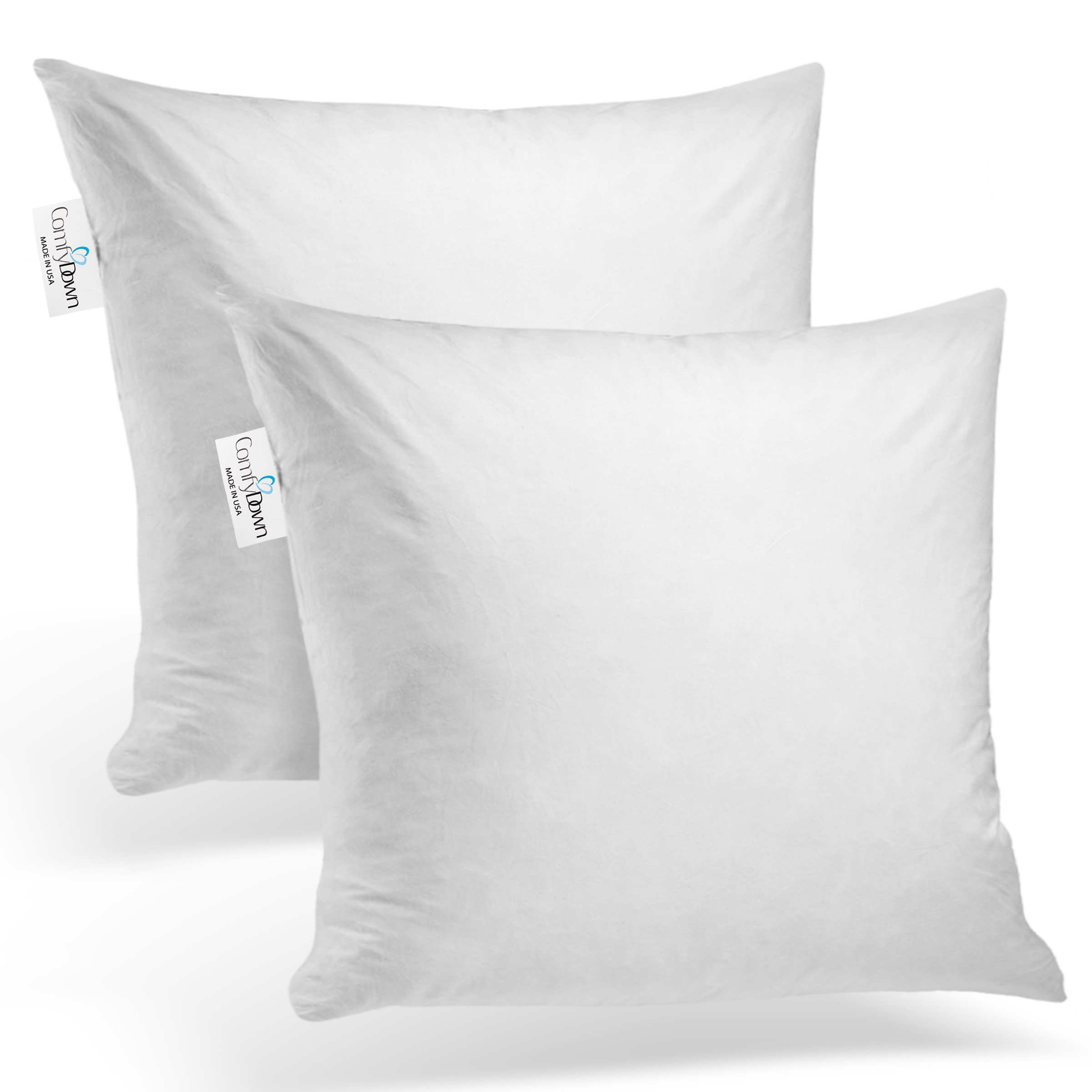
Comparing Down Feather Pillow Inserts to Synthetic Alternatives: What You Need to Know
Choosing the right pillow is crucial for a good night’s sleep, and one of the most significant decisions you’ll face is whether to opt for down feather pillow inserts or synthetic alternatives. Both options have their unique advantages and disadvantages, making it essential to understand their characteristics before making a purchase. In this article, we will compare down feather pillows and synthetic pillows, exploring their materials, benefits, drawbacks, and considerations for choosing the right one for your sleep needs.
Understanding Down Feather Pillows
Down feather pillows are filled with the soft, fluffy undercoating of ducks or geese. This material is renowned for its lightweight, insulating properties, and luxurious feel. Here’s what you need to know about down feather pillows:
- Natural Insulation: Down provides excellent insulation, keeping you warm in winter and cool in summer.
- Softness: Down pillows are incredibly soft and moldable, conforming to the shape of your head and neck for personalized support.
- Durability: High-quality down pillows can last for years, often outlasting synthetic alternatives.
- Breathability: Down is a breathable material, helping to regulate temperature and moisture.
The Allure of Synthetic Pillow Inserts
Synthetic pillows, typically filled with polyester or other man-made fibers, are a popular choice for many consumers. They often mirror the feel of down while offering various benefits. Here’s a closer look:
- Hypoallergenic: Synthetic materials are generally hypoallergenic, making them a suitable option for allergy sufferers.
- Easy Maintenance: Most synthetic pillows are machine washable and quick to dry, simplifying care and upkeep.
- Cost-Effectiveness: Synthetic pillows tend to be more affordable than their down counterparts, making them accessible to a wider range of consumers.
- Consistent Support: Synthetic fills can offer consistent firmness, which some sleepers may prefer.
Comparative Analysis: Comfort and Support
When it comes to comfort and support, personal preference plays a significant role. However, some general trends can be observed:
Down Feather Pillows
Many users find down pillows to provide superior comfort due to their softness and ability to conform to the sleeper’s shape. The loftiness of down allows for a plush, cloud-like experience, which is especially appealing to side sleepers who need extra support for their neck and shoulders. However, down pillows can sometimes lack the necessary firmness for those who prefer a more supportive feel.
Synthetic Alternatives
Synthetic pillows often come in varying firmness levels, catering to different sleep preferences. For instance, some brands offer firmer synthetic options that may better support stomach and back sleepers. However, synthetic pillows may not provide the same level of plushness as down, leading some users to feel that they are less comfortable.
Durability and Longevity
Durability is another critical factor to consider when comparing down feather pillows to synthetic alternatives.
Durability of Down Feather Pillows
High-quality down pillows can last for many years if cared for properly. They tend to retain their shape and loft, providing consistent support over time. However, they may require occasional fluffing to maintain their structure and should be cleaned according to specific guidelines.
Durability of Synthetic Pillows
Synthetic pillows, while often less expensive, may not last as long as down pillows. Over time, synthetic fibers can clump or lose their shape, resulting in a less comfortable sleep experience. However, they are often more resistant to moisture and may be less prone to mildew and mold.
Allergies and Hypoallergenic Properties
For individuals with allergies, the material of the pillow can significantly impact comfort and health.
Down Pillows and Allergies
While down feathers are natural, they can harbor allergens such as dust mites and mold. Some people may experience allergic reactions when using down pillows, particularly if they are not properly cleaned and maintained. However, high-quality down pillows are often treated to minimize allergens.
Synthetic Pillows and Allergies
Synthetic pillows are typically hypoallergenic, making them a safer choice for allergy sufferers. They are less likely to trap allergens and can be easily washed to maintain cleanliness. For those with sensitivities, synthetic options may be the most comfortable and practical solution.
Cost Considerations
Cost is a significant factor for many consumers when deciding between down and synthetic pillows.
- Down Feather Pillows: Generally more expensive due to the sourcing and processing of natural materials. Prices can range from $50 to over $200, depending on quality.
- Synthetic Pillows: Typically more budget-friendly, with prices ranging from $20 to $100. This affordability makes them accessible to a broader audience.
Environmental Impact

Understanding the environmental implications of your pillow choice is becoming increasingly important for many consumers.
Environmental Considerations for Down Pillows
Down is a renewable resource, but the production of down can raise ethical concerns regarding animal welfare. Responsible sourcing is crucial, and consumers should look for certifications that ensure humane treatment of birds.
Environmental Considerations for Synthetic Pillows
Synthetic materials are derived from petroleum, which raises concerns about sustainability and environmental impact. However, advancements in recycling and the development of eco-friendly synthetic options are emerging as potential solutions.
Conclusion: Making the Right Choice for You
In summary, both down feather pillow inserts and synthetic alternatives have their distinct advantages and disadvantages. Down pillows offer unparalleled softness and comfort but may require more maintenance and may not be suitable for allergy sufferers. Conversely, synthetic pillows are more affordable, hypoallergenic, and easy to care for, but they may lack the luxurious feel that down provides.
Ultimately, the choice between down and synthetic pillows depends on individual preferences, sleep positions, budget, and any specific health considerations. By weighing the factors discussed in this article, you can make an informed decision that leads to a better night’s sleep.
Whether you choose the plush comfort of down or the practical benefits of synthetic materials, investing in the right pillow will enhance your sleep quality and contribute to your overall well-being.


