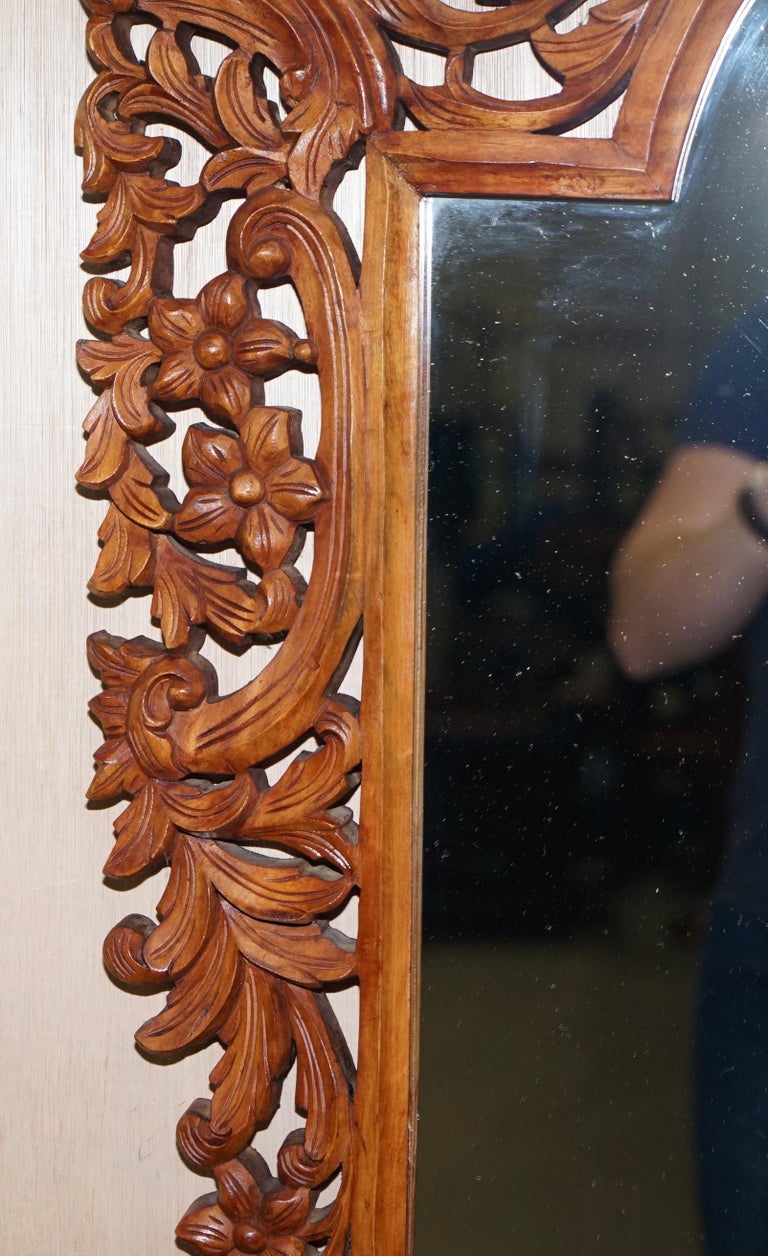
Reflecting Artistry: The Beauty of Hand Carved Mirrors
Hand-carved mirrors are more than mere functional objects; they are exquisite pieces of artistry that embody craftsmanship, history, and culture. Each mirror tells a story, reflecting not just the physical image of the observer but also the intricate artistry and dedication involved in its creation. This article explores the beauty and significance of hand-carved mirrors, examining their history, techniques, cultural implications, and contemporary relevance.
The Historical Significance of Mirrors
Mirrors have held a significant place in human history, appearing in various forms across different cultures. The earliest mirrors were made from polished stones, such as obsidian, and later evolved into metal surfaces. However, the introduction of glass mirrors in the 16th century marked a transformative period in mirror making.
- Ancient Civilizations: In ancient Egypt, mirrors were crafted from polished bronze and used in rituals and beauty practices. Similarly, in China, mirrors made from bronze were believed to have protective qualities.
- Renaissance Innovations: The Renaissance saw advancements in glass-making techniques, leading to the production of high-quality mirrors in Venice, Italy. These mirrors became symbols of wealth and status.
- Baroque Era: The Baroque period brought ornate designs, where mirrors were intricately carved and often used to enhance the grandeur of palatial interiors.
Throughout history, mirrors have been associated with vanity and self-reflection, but they also serve as objects of art, embodying the cultural nuances of their time.
The Craftsmanship Behind Hand-Carved Mirrors
Creating a hand-carved mirror is a meticulous process that requires a blend of artistic vision and technical skill. Artisans spend countless hours perfecting their craft, employing various techniques and tools to bring their designs to life.
Materials Used
The choice of materials is crucial in the creation of hand-carved mirrors. Common materials include:
- Wood: Various types of wood, such as oak, mahogany, and cherry, are favored for their durability and aesthetic appeal.
- Glass: High-quality glass is essential for achieving clarity and brilliance in the reflective surface.
- Finishes: Artisans often use natural oils, stains, or paints to enhance the wood’s appearance while protecting it from wear.
Techniques Employed
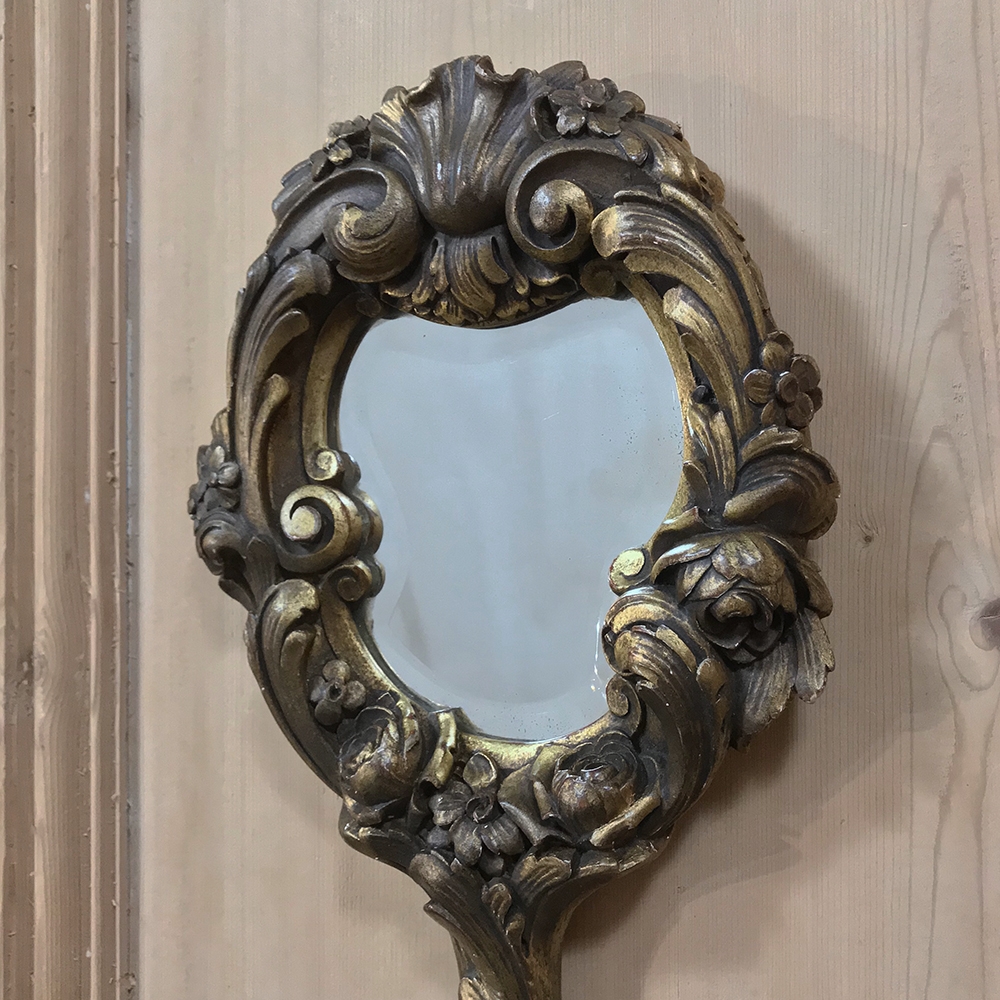
Several techniques are commonly employed in the creation of hand-carved mirrors:
- Carving: Artisans use chisels and gouges to carve intricate patterns and designs into the wood. This can include floral motifs, geometric shapes, or even figures.
- Inlay: Some mirrors feature inlaid designs, where different materials, such as metals or stones, are inserted into the wood for added texture and contrast.
- Finishing: After carving, the mirror undergoes a finishing process that may include sanding, staining, and sealing to ensure longevity and aesthetic appeal.
Each of these steps contributes to the uniqueness of a hand-carved mirror, making it a one-of-a-kind piece of art.
Cultural Implications of Hand-Carved Mirrors
Hand-carved mirrors are deeply embedded in cultural traditions across the globe. They often serve as symbols of beauty, spirituality, and identity.
Regional Variations
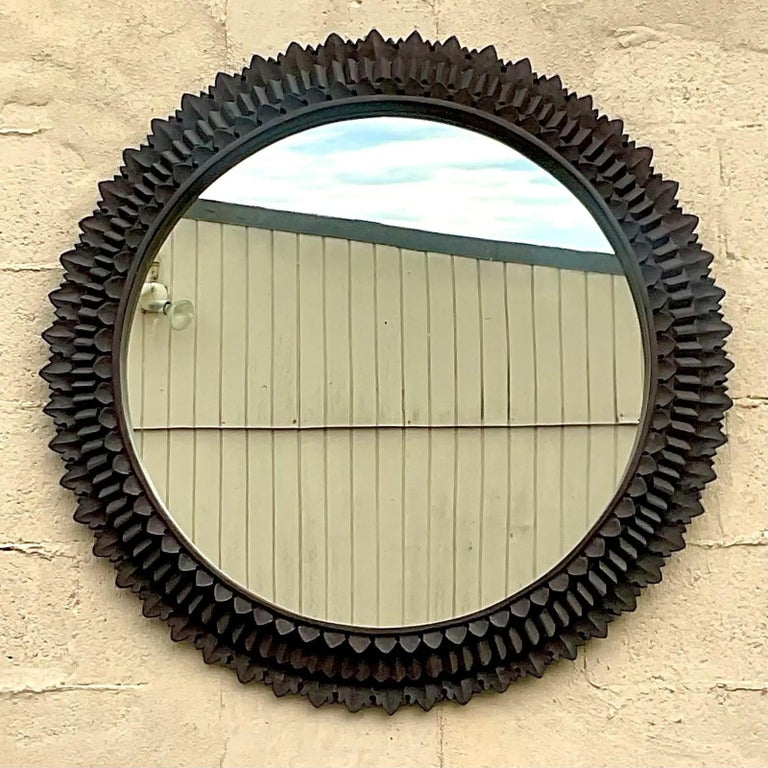
Different cultures have distinct styles and techniques in mirror carving:
- Indian Artistry: In India, hand-carved mirrors often feature intricate designs inspired by local flora and fauna. They are commonly found in Rajasthani homes, where they serve both decorative and functional purposes.
- Moroccan Designs: Moroccan mirrors are characterized by their ornate frames, often adorned with geometric patterns and vibrant colors, reflecting the region’s rich artistic heritage.
- European Elegance: In Europe, particularly in France and Italy, baroque and rococo styles dominate, showcasing elaborate carvings that evoke opulence and grandeur.
These regional variations not only highlight the artistic capabilities of different cultures but also convey the values and aesthetics they hold dear.
Contemporary Relevance of Hand-Carved Mirrors
In today’s world, where mass production often overshadows artisanal craftsmanship, hand-carved mirrors are experiencing a resurgence in popularity. Consumers are increasingly seeking unique, sustainable, and meaningful pieces for their homes.
The Rise of Sustainable Artistry

As environmental consciousness grows, many artisans are turning to sustainable practices:
- Locally Sourced Materials: Artisans often use locally sourced wood and eco-friendly finishes to minimize their environmental impact.
- Small-Scale Production: Hand-carved mirrors are typically produced in small batches, ensuring quality and reducing waste.
- Support for Local Communities: Purchasing hand-carved mirrors often supports local artisans and communities, promoting fair trade practices.
Integrating Artistry into Modern Design
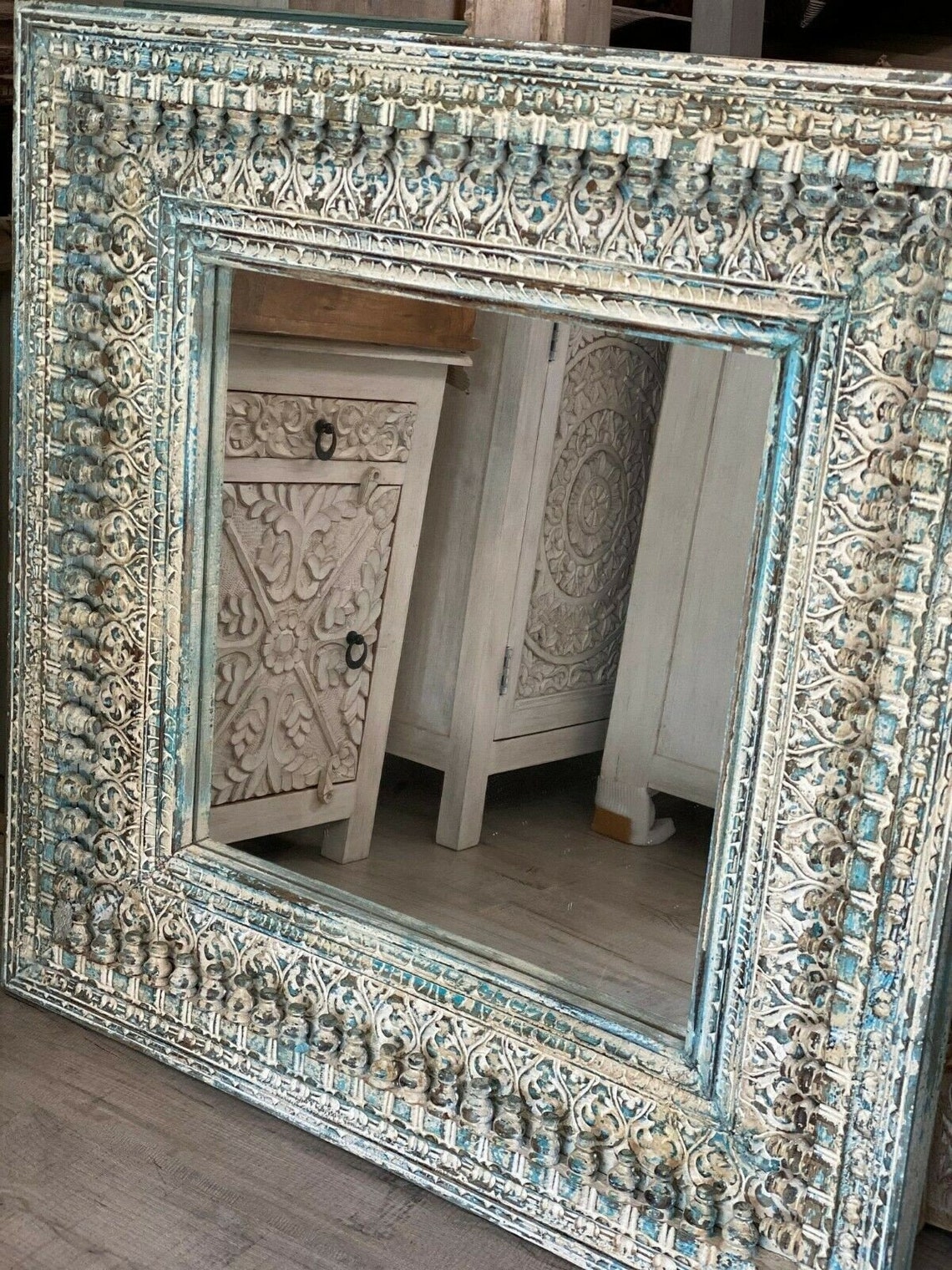
Hand-carved mirrors are not just for traditional or rustic interiors; they can seamlessly integrate into contemporary spaces as well. Designers are increasingly incorporating these unique pieces into modern aesthetics:
- Statement Pieces: Large, intricately carved mirrors can serve as focal points in living spaces, adding character and depth.
- Mixing Styles: Hand-carved mirrors can be paired with minimalist furniture to create a striking contrast that enhances the overall décor.
- Personalized Touch: Custom designs allow homeowners to select shapes and motifs that resonate with their personal style.
Case Studies: Iconic Hand-Carved Mirrors
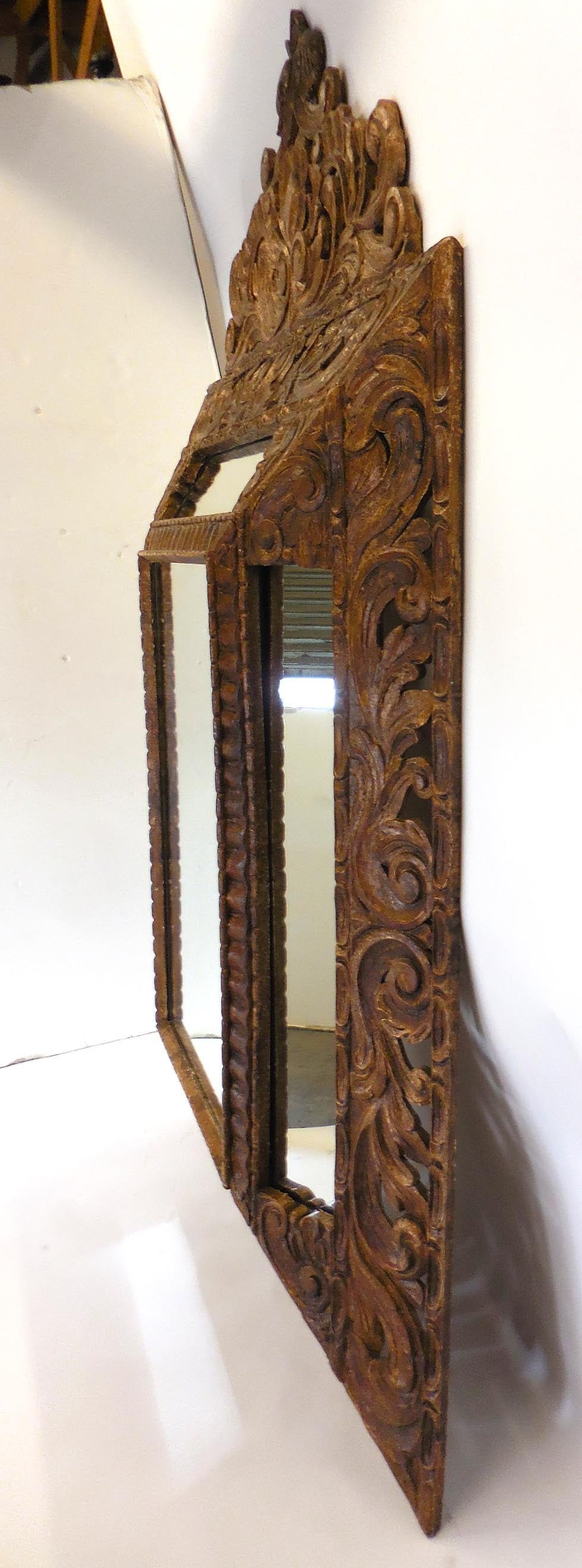
Several artisans and brands have made a name for themselves by creating exceptional hand-carved mirrors that exemplify the beauty of this craft. Here are a few notable examples:
- Rajasthani Artisans: Artisans from Rajasthan have gained international recognition for their exquisite hand-carved mirrors, which are often featured in high-end boutiques and galleries.
- Moroccan Souks: The bustling markets of Morocco are filled with skilled craftsmen who create stunning mirrors that reflect the country’s rich culture and history.
- European Galleries: Galleries in Europe often showcase hand-carved mirrors as collectible art pieces that celebrate craftsmanship and design.
Hand-carved mirrors are a testament to the enduring beauty of artisanal craftsmanship. They reflect not only the physical image of those who gaze into them but also the rich history, culture, and dedication of the artisans who create them. As consumers increasingly seek unique and meaningful pieces for their homes, the allure of hand-carved mirrors continues to grow.
In a world dominated by mass production, the artistry and individuality of hand-carved mirrors remind us of the value of craftsmanship and the stories behind each piece. By embracing these exquisite works of art, we not only enhance our living spaces but also support sustainable practices and preserve cultural heritage.
In summary, the beauty of hand-carved mirrors lies in their artistry, cultural significance, and contemporary relevance, making them timeless additions to any home.


