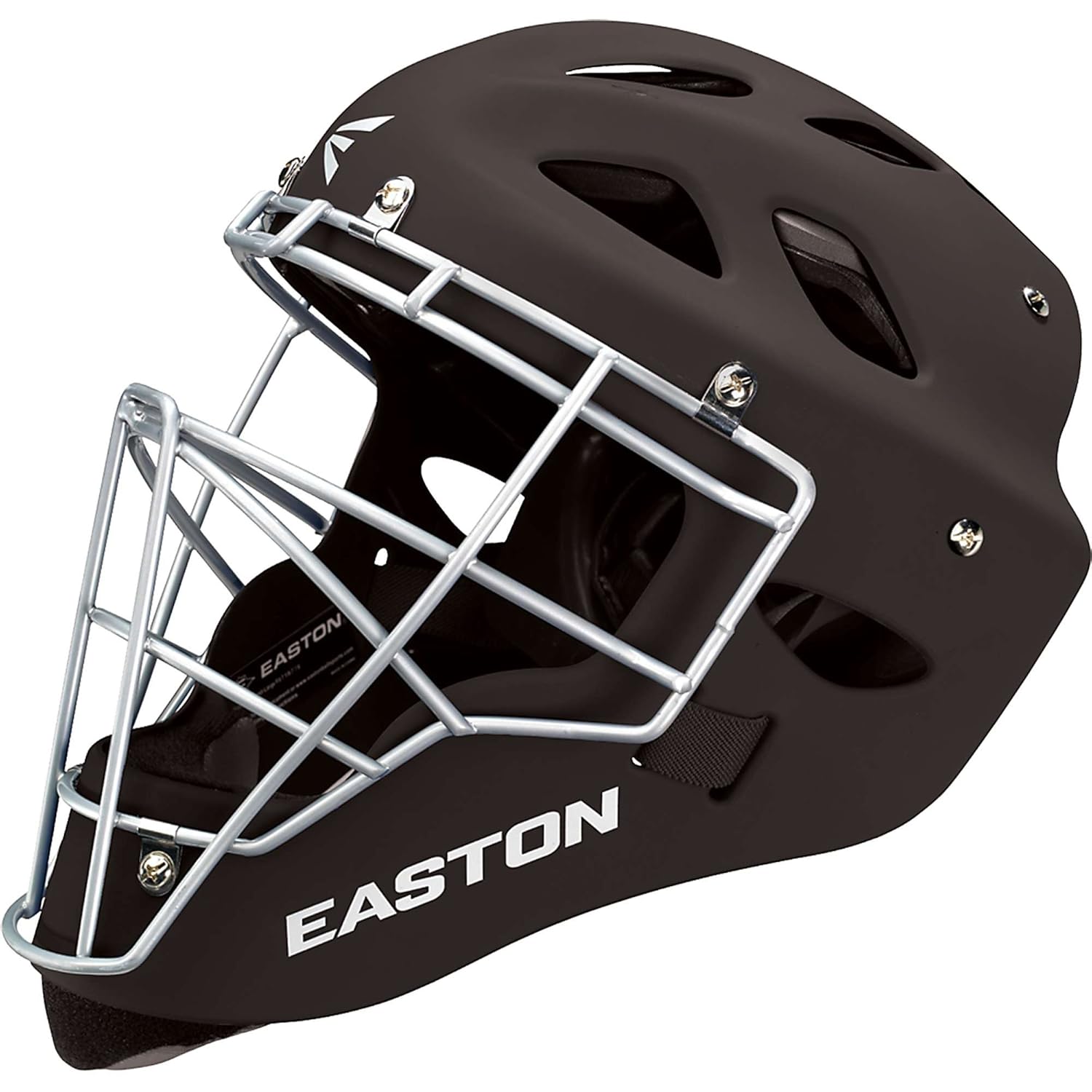
How to Properly Fit and Care for Your Easton Catcher’s Helmet
The catcher’s helmet is arguably the most critical piece of protective equipment for any backstop. It’s not just a piece of gear; it’s a shield against high-velocity pitches, errant foul tips, and potential collisions. Among the elite brands in baseball and softball, Easton consistently delivers high-quality, innovative catcher’s helmets. However, even the best helmet is only as effective as its fit and how well it’s maintained. This article will delve into the essential steps for properly fitting your Easton catcher’s helmet, ensuring optimal protection and comfort, and outline best practices for its care to maximize its lifespan and performance.
The Foundation of Safety: Why Proper Fit is Paramount
A well-fitting catcher’s helmet is not a luxury; it’s a non-negotiable aspect of safety. A helmet that’s too loose can shift during play, exposing vital areas of the head to impact. Conversely, a helmet that’s too tight can cause discomfort, headaches, and distraction, ultimately hindering a catcher’s ability to perform at their best. Easton helmets are engineered with advanced features to accommodate a wide range of head sizes and shapes, but understanding the fitting process is crucial to unlocking their full protective potential.
Understanding Your Head Measurements: The First Step to a Perfect Fit
Before even trying on an Easton helmet, accurately measuring your head is essential. This simple yet crucial step eliminates guesswork and ensures you’re looking at the right size range from the outset. The most common measurement for baseball and softball helmets is circumference. Here’s how to do it:
- Gather your tools: You’ll need a flexible measuring tape (like a tailor’s tape measure) or a piece of string and a ruler.
- Locate the measurement point: Wrap the tape measure or string around your head, about one inch above your eyebrows and just above your ears. Ensure the tape is snug but not uncomfortably tight.
- Read the measurement: If using a tape measure, read the measurement directly. If using string, mark the point where the string overlaps and then measure the length against a ruler.
- Consult the sizing chart: Easton, like most manufacturers, provides detailed sizing charts for their catcher’s helmets. Compare your head circumference to the chart to determine your recommended size (e.g., Small, Medium, Large, Extra Large).
The In-Person Trial: Testing the Fit and Feel
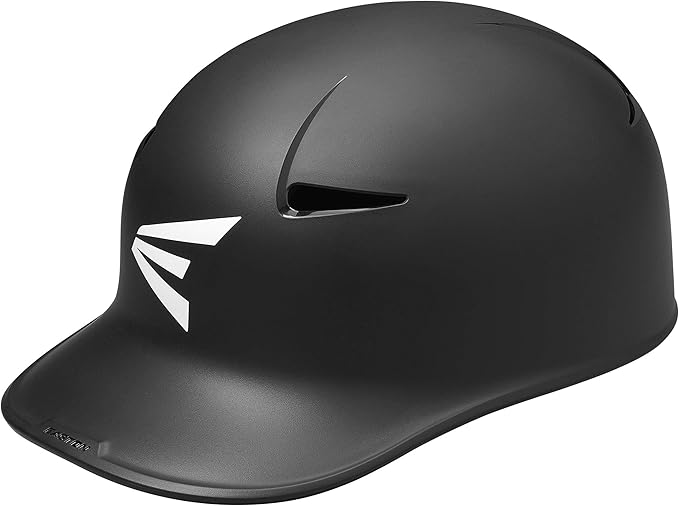
While measurements provide a starting point, the in-person trial is where you truly assess the fit. Here’s what to look for when trying on an Easton catcher’s helmet:
- Coverage: The helmet should cover the forehead down to the eyebrows, extending to the back of the head. There should be no significant gaps around the perimeter.
- Stability: With the chin strap unbuckled, tilt your head forward and backward, and side to side. The helmet should remain relatively stable without excessive movement.
- Snugness: The helmet should feel snug and secure without being constrictive. You should be able to feel a slight pressure around your head, indicating a good contact with the padding.
- Chin Strap Comfort: Once buckled, the chin strap should be adjustable to a comfortable but firm fit. It shouldn’t dig into your chin or throat. You should be able to speak and breathe normally.
- Vision and Hearing: Ensure the helmet doesn’t obstruct your peripheral vision or significantly muffle your hearing. This is critical for a catcher’s ability to track pitches and communicate with teammates.
- Chin Guard Alignment: The chin guard should align properly with your jawline, offering protection without interfering with your ability to call pitches or breathe.
Beyond the Basics: Advanced Fitting Considerations
For some individuals, head shapes can be more complex. Easton helmets often incorporate features to address these nuances:
- Adjustable Padding Systems: Many Easton models feature adjustable padding systems that allow for fine-tuning the fit. Experiment with these adjustments to achieve a personalized feel.
- Jaw Protection: Some helmets offer adjustable or removable jaw guards. Ensure these are positioned correctly for maximum protection without compromising comfort.
- Hair Considerations: If you have long hair, consider how it might affect the fit when braided or pulled back. Try the helmet on with your hair styled as you would for a game.
Case Study: The Young Catcher’s Transformation

Consider Sarah, a 12-year-old catcher who was experiencing frequent headaches and complaining of her helmet feeling “wobbly” during games. After a proper fitting session, it was discovered her current helmet, though technically her size, had a shell shape that didn’t conform well to her slightly rounder head. She switched to an Easton helmet with a more adaptable internal padding system. The new helmet provided a much more secure and comfortable fit, significantly reducing her discomfort and improving her confidence behind the plate. This simple adjustment highlighted the impact of nuanced fitting on player performance and well-being.
The Art of Preservation: Essential Care for Your Easton Helmet
Your Easton catcher’s helmet is an investment in your safety. Proper care will not only extend its lifespan but also ensure its protective integrity remains uncompromised. Regular cleaning and inspection are key.
Daily Cleaning: Keeping it Fresh and Hygienic

Catchers’ helmets endure sweat, dirt, and grime. Regular cleaning is vital for hygiene and to prevent material degradation.
- Wipe Down: After each use, wipe down the exterior of the helmet with a damp cloth. A mild soap solution can be used for tougher grime, but ensure it’s thoroughly rinsed off.
- Interior Cleaning: The interior padding is where most sweat accumulates. Use a dedicated athletic gear cleaner or a mixture of water and a mild, non-abrasive detergent. Gently scrub the padding with a soft brush or cloth.
- Drying: Always allow the helmet to air dry completely before storing it. Avoid direct sunlight or high heat sources, as these can degrade the materials.
Deep Cleaning and Maintenance: Ensuring Long-Term Performance
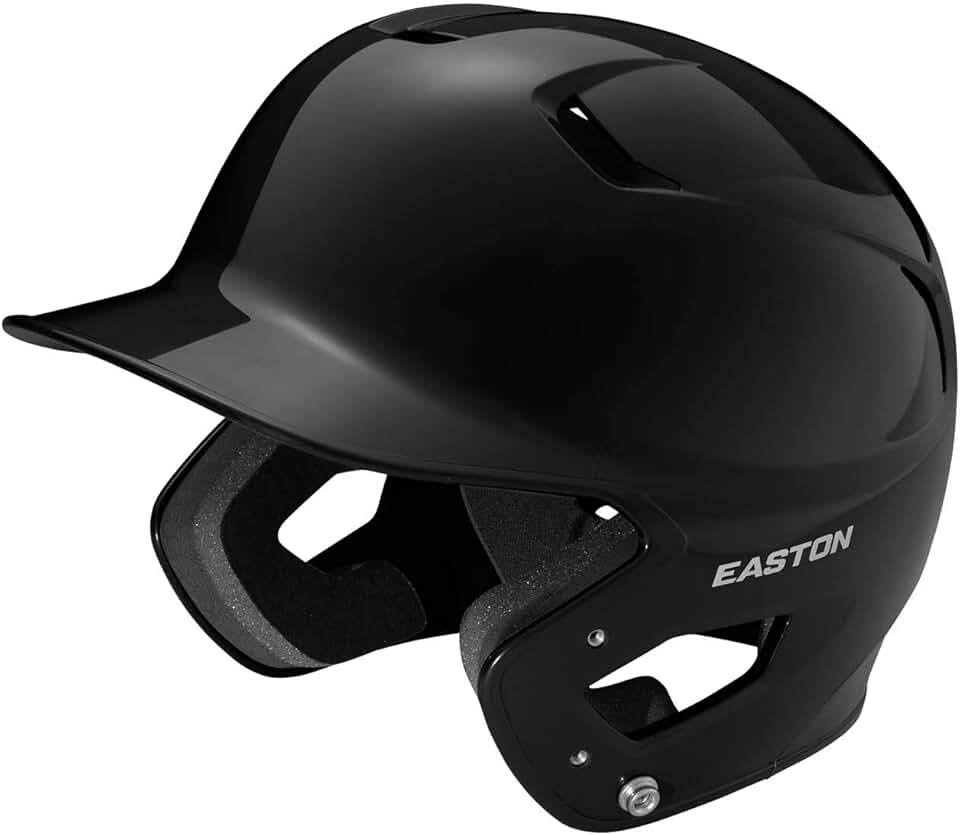
Periodic deep cleaning and inspection will help maintain your helmet’s structural integrity.
- Padding Removal: Many Easton helmets have removable padding for easier cleaning. Consult your helmet’s manual for instructions on how to detach and reattach the pads.
- Washing Pads: If the pads are machine washable, follow the manufacturer’s instructions carefully. Typically, this involves a gentle cycle with mild detergent and air drying.
- Hardware Check: Regularly inspect all screws, buckles, and straps for any signs of wear, damage, or loosening. Tighten or replace any compromised components immediately.
- Shell Inspection: Examine the helmet shell for any cracks, dents, or deep scratches. Even minor damage can compromise the helmet’s ability to absorb impact.
Statistics on Helmet Effectiveness and Maintenance
While specific statistics on Easton helmet maintenance are not readily available, general sports safety data underscores the importance of proper equipment. According to the National Athletic Trainers’ Association, properly fitted and maintained protective equipment plays a significant role in reducing the incidence and severity of sports-related injuries. A study published in the *Journal of Athletic Training* highlighted that equipment failure, often linked to improper care or age, can be a contributing factor to injuries that could have otherwise been prevented.
When to Consider Replacement: Knowing Your Helmet’s Limits
Helmets, like all protective gear, have a lifespan. Several factors indicate it might be time for a replacement:
- Visible Damage: Any cracks, significant dents, or deformities in the shell are clear indicators for replacement.
- Aging Materials: Over time, the foam and plastic components can degrade, losing their shock-absorbing capabilities. If your helmet feels brittle or shows signs of age, it’s time to consider a new one.
- Outgrown Size: As players grow, their head size changes. A helmet that no longer fits properly compromises safety.
- Significant Impact: Even if there are no visible signs of damage after a major impact, it’s prudent to replace the helmet. The internal shock-absorbing materials may have been compromised.
- Manufacturer Recommendations: Easton, like other reputable brands, may provide guidelines on the expected lifespan of their helmets.
The Unwavering Commitment to Catcher Safety

The Easton catcher’s helmet is a sophisticated piece of safety equipment designed to protect one of the most vulnerable positions in sports. By understanding the intricacies of proper fitting, from accurate head measurements to the nuanced feel during an in-person trial, catchers can ensure their helmet provides the maximum level of protection. Equally important is the commitment to regular cleaning and maintenance. This diligence not only extends the lifespan of the helmet but, more crucially, preserves its ability to absorb impact and safeguard the player. A well-fitted and well-cared-for Easton catcher’s helmet is a testament to a player’s dedication to their safety and their commitment to performing at their absolute best.


